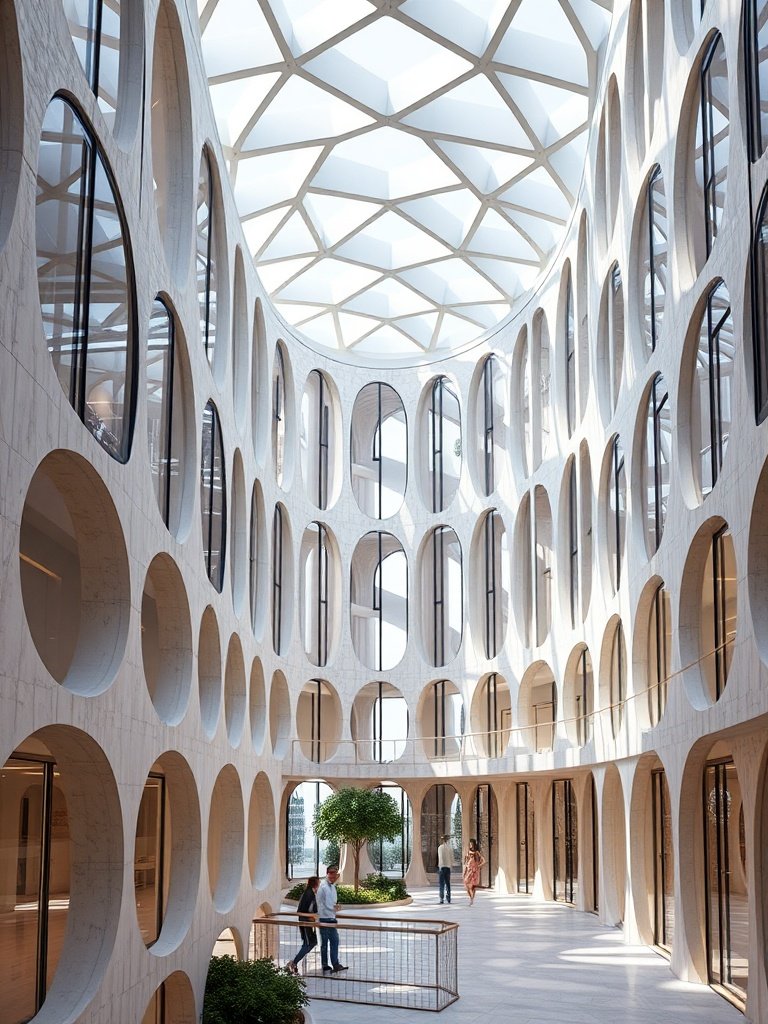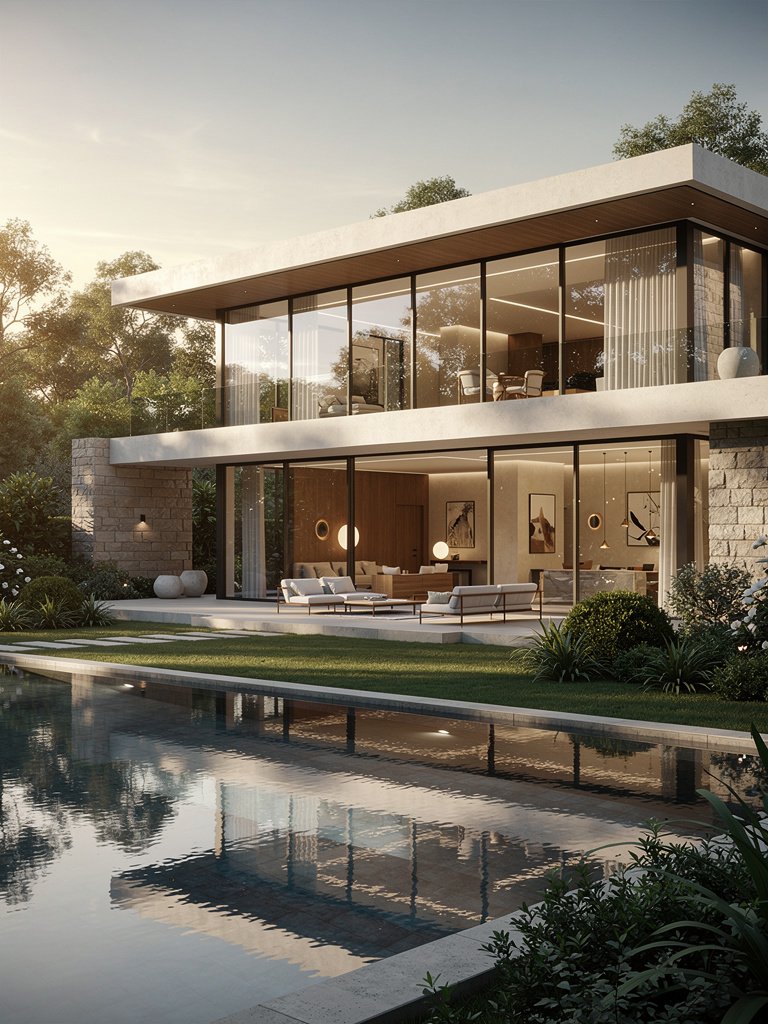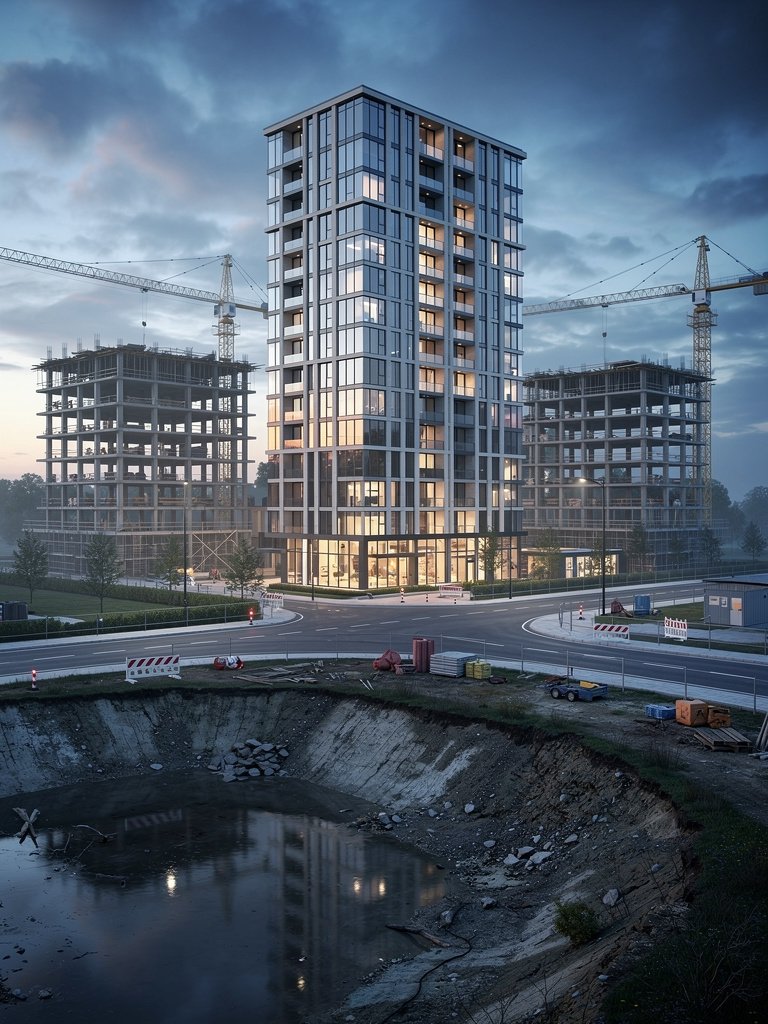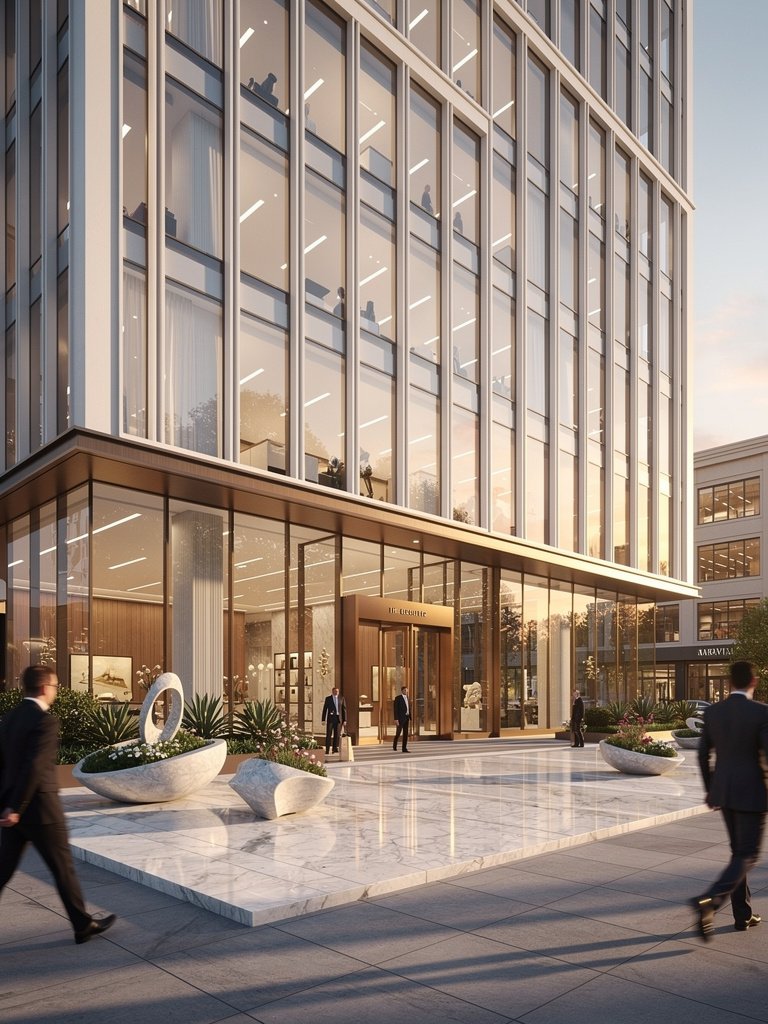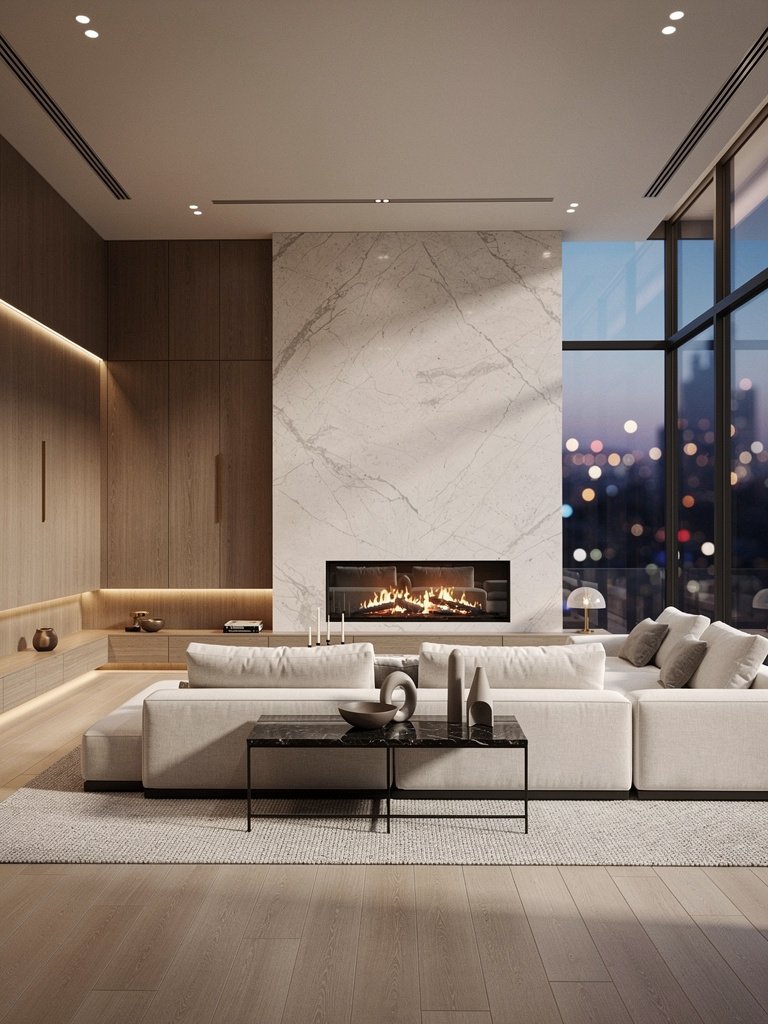

In the competitive landscape of real estate development, selling the invisible is the ultimate challenge. For developers and architects, the gap between a blueprint and a signed contract is often bridged by perception. In the absence of a physical structure, high-fidelity architectural visualization serves as the primary vehicle for trust, emotional connection, and perceived value. It is no longer enough to present 2D floor plans; today’s sophisticated investors require immersive experiences that validate their capital commitment.
Implementing a strategic visualization pipeline is essential to accelerate Off-plan property sales, minimizing the time capital remains tied up in unsold inventory. By showcasing photorealistic environments, developers can mitigate buyer hesitation effectively. Furthermore, when marketing luxury Pre-construction homes, the quality of the visual collateral directly correlates to the price per square foot achievable at launch. This post explores the technical execution and strategic advantages of leveraging top-tier 3D rendering in the B2B sector.
Table of Contents
1. The Business Impact & ROI
The return on investment (ROI) for architectural visualization extends far beyond basic marketing aesthetics. For B2B stakeholders, 3D rendering acts as a risk mitigation tool. High-quality visuals allow developers to secure pre-sales faster, directly improving cash flow and reducing interest payments on construction loans. When a potential buyer can vividly imagine their lifestyle within a space, conversion rates increase drastically.
Data indicates that listings with professional 3D tours and photorealistic imagery generate significantly higher engagement than those relying on sketches or generic stock imagery. In the commercial sector, securing anchor tenants for mixed-use developments often hinges on the ability to present a branded, fully realized environment before ground is broken. Consequently, the cost of high-end visualization is negligible compared to the holding costs of unleased or unsold units. It transforms the sales cycle from a rational negotiation of square footage into an emotional decision based on aspirational living and future value.
2. The 3D Visualization Workflow
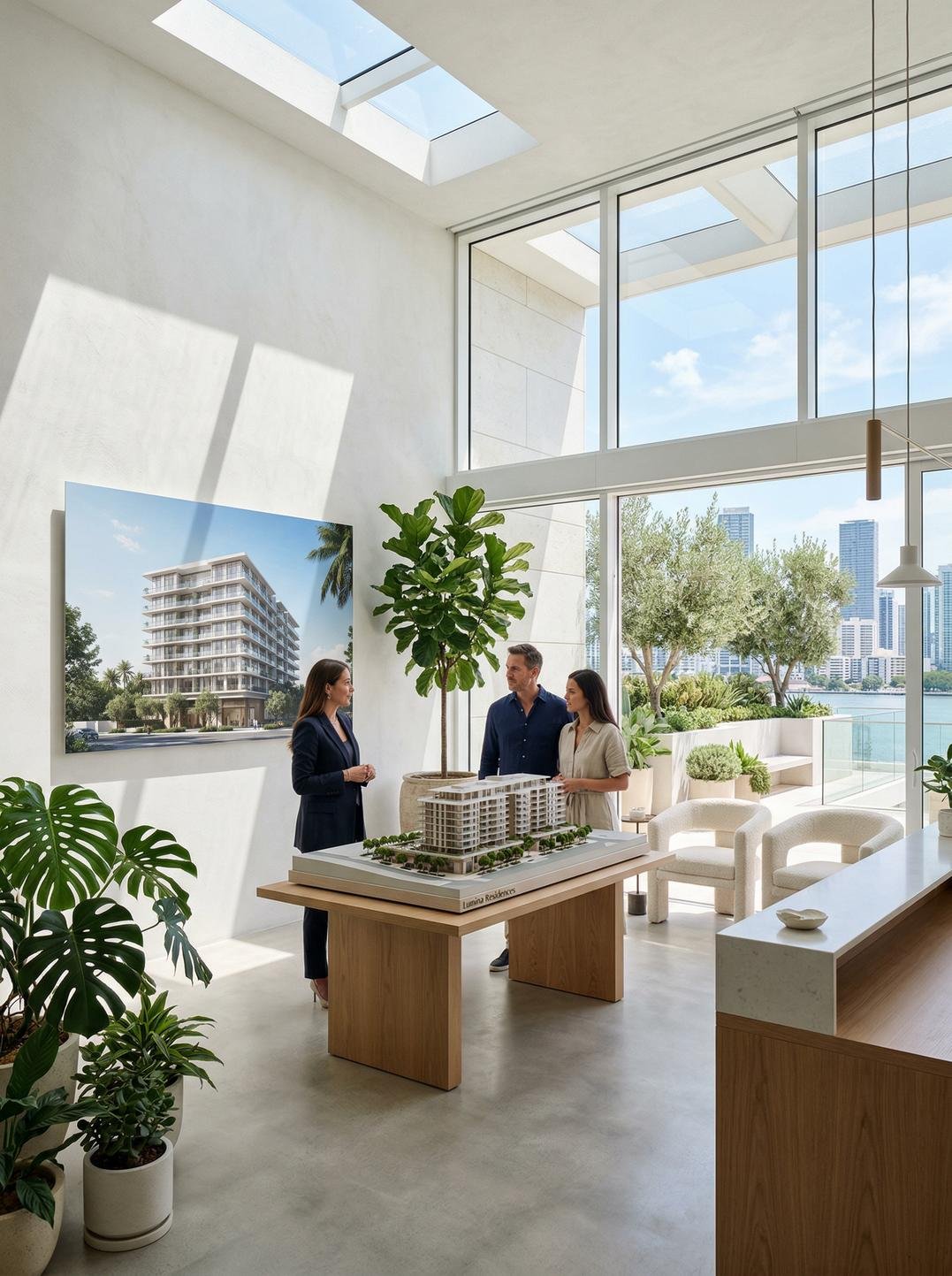
Creating a rendering that converts requires a rigorous technical workflow. It begins with precise 3D modeling based on CAD files, ensuring architectural accuracy. However, the artistry lies in lighting and texturing. Global Illumination (GI) techniques are used to simulate how natural light interacts with surfaces, creating the subconscious cues that tell the brain an image is “real.”
For effective Off-plan property sales campaigns, the “Golden Hour” lighting setup is often preferred, invoking warmth and comfort. Texturing involves physically based rendering (PBR) materials, where properties like roughness, reflection, and bump maps are calibrated to mimic real-world materials like marble or velvet.
Collaboration is equally vital. A streamlined feedback loop between the architect and the 3D artist ensures that design intent is preserved. When visualizing Pre-construction homes, we also focus on “lifestyle framing”—positioning cameras to highlight flow and volume rather than just fitting a room into a frame. This technical precision ensures the final asset serves its commercial purpose.
3. Professional Execution in Real Estate

Top-tier developers are currently integrating PropTech innovations to elevate the standard of presentation. Beyond static images, the industry is shifting toward immersive Virtual Reality (VR) and 360-degree panoramic tours. These tools allow investors to “walk” through a penthouse or commercial lobby, experiencing the scale and finish quality firsthand.
Professional execution also involves strict adherence to material specifications. Representing finishes accurately—whether it is a specific grain of oak flooring or a branded kitchen fixture—prevents expectation mismanagement. If the rendering promises a specific aesthetic, the built environment must deliver it to avoid litigation or reputation damage.
Furthermore, environment integration is critical. High-end execution involves drone photography of the actual site, which is then composited with the 3D model. This technique demonstrates accurate views from specific floors, a crucial selling point for high-rise developments. By grounding the digital asset in physical reality, developers validate their pricing strategies and provide tangible proof of the asset’s potential value to stakeholders.
4. Common Pitfalls to Avoid
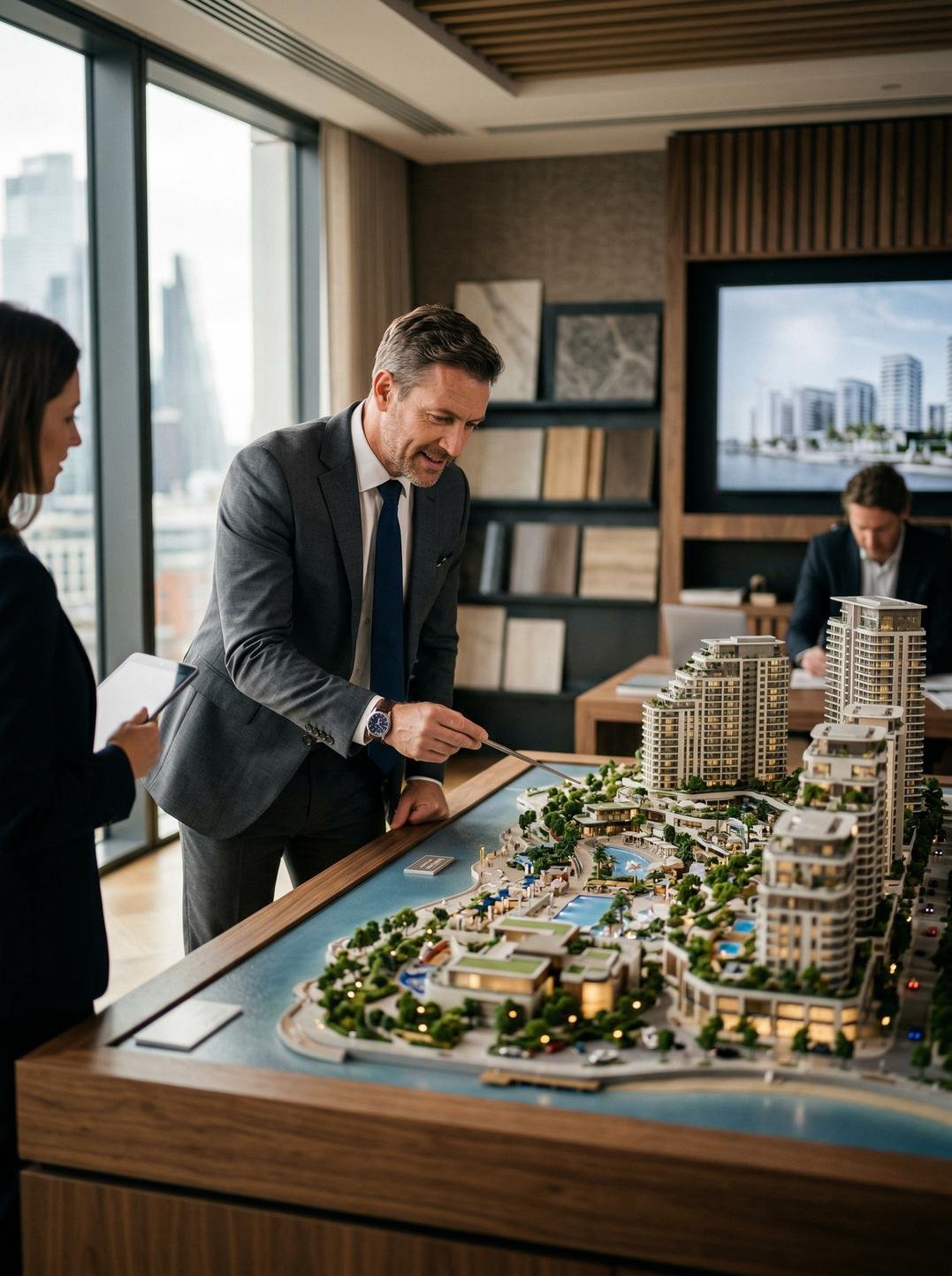
A common mistake in B2B real estate marketing is the “uncanny valley” effect, where a rendering looks almost real but slightly “off,” causing viewer discomfort. This usually stems from poor asset scaling—furniture that is too small or textures that repeat visibly. Another pitfall is ignoring the context; a luxury building rendered with a generic, flat background fails to sell the location.
Over-styling is another error. While staging is important, cluttering a scene with too many decorative elements distracts from the architecture. The goal is to highlight space and potential, not specific furniture pieces. Finally, lighting inconsistencies are fatal to immersion. Shadows must align with the light sources, and reflections must be accurate. If a potential investor spots a physics error, the illusion breaks, and trust is eroded. To avoid this, developers should partner with studios that understand architectural photography principles, ensuring composition and exposure are handled with the same rigor as a physical photo shoot.
5. Conclusion
In the high-stakes arena of real estate development, the quality of your visual assets can dictate the speed and success of your project’s liquidity events. Investing in photorealistic 3D rendering is not merely a marketing expense; it is a strategic capital investment that shortens sales cycles and maximizes revenue. By understanding the technical workflow and avoiding common pitfalls, developers can leverage visualization to dominate Off-plan property sales targets effectively.
Whether you are seeking planning permission or marketing luxury Pre-construction homes, the ability to communicate your vision clearly is paramount. Do not let subpar visuals undermine your development’s potential.
Ready to elevate your property marketing? Contact Arkilex today. Let us transform your blueprints into breathtaking visual narratives that captivate investors and accelerate your sales velocity.
6. FAQs
1. How long does a high-end exterior rendering typically take to produce?
For professional quality, expect a timeline of 5 to 10 business days per view. This includes modeling, texturing, lighting setup, and two rounds of revisions to ensure architectural accuracy and marketing alignment.
2. Can 3D renderings be used for planning permission applications?
Yes, verified views (AVRs) are essential for planning. These are technically accurate photomontages that show exactly how a proposed development will look within the existing context, often required by local councils.
3. What is the cost difference between static 3D rendering and a VR walkthrough?
VR walkthroughs are significantly more complex, often costing 3x to 5x more than static imagery. They require optimizing the entire 3D model for real-time engines, whereas static images render only visible angles.
4. How do I ensure the materials in the render match the final build?
You must provide the 3D studio with exact specifications, including RAL color codes, material swatches, and manufacturer links. Professional studios use PBR (Physically Based Rendering) workflows to match these references scientifically.