
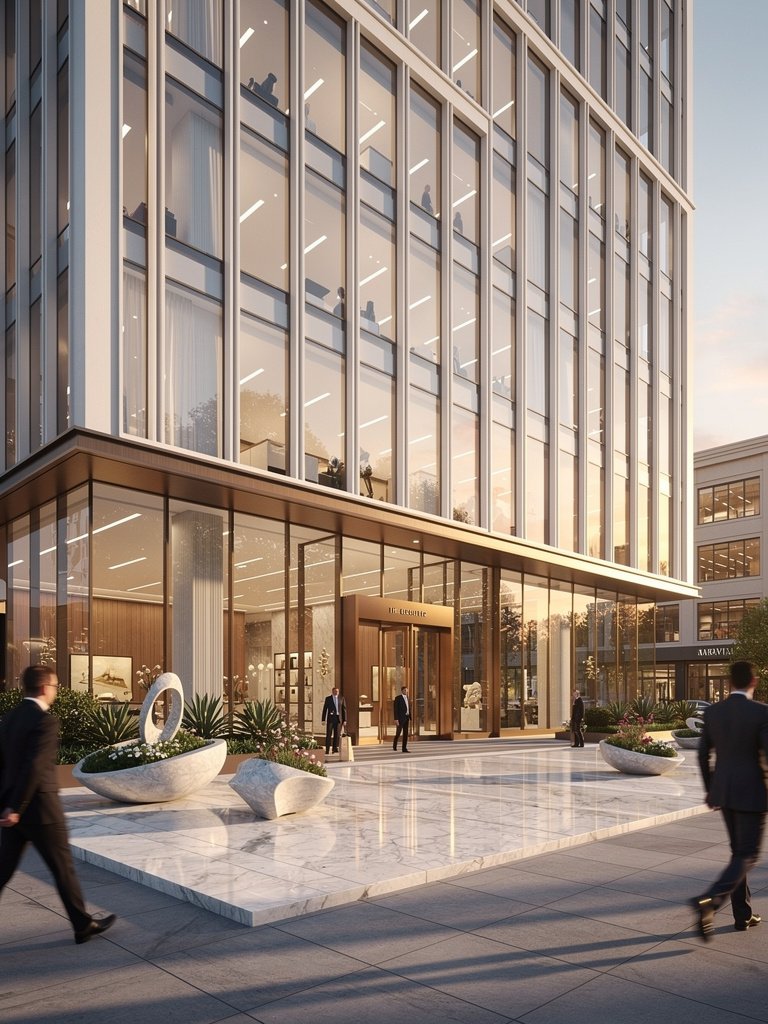
Commercial leasing decisions are made by people representing a business, not just themselves. They need to show their board, their operations director, and their facilities manager why this space is the right choice — and the visual materials you provide are what they will use to make that internal case.
Market data reveals that projects achieving 40% pre-leasing rates secure significantly better financing terms and reduce vacancy risk by 67%. This article examines five data-driven strategies that enhance commercial real estate leasing outcomes, with a particular emphasis on visualization technology that accelerates tenant commitment and shortens sales cycles.
Table of Contents
Why Commercial Real Estate Leasing Demands Advanced Visualization
Traditional marketing approaches no longer meet the needs of sophisticated corporate tenants evaluating multi-year lease commitments. Decision-makers require immersive experiences that communicate spatial quality, brand alignment, and operational functionality before construction begins.
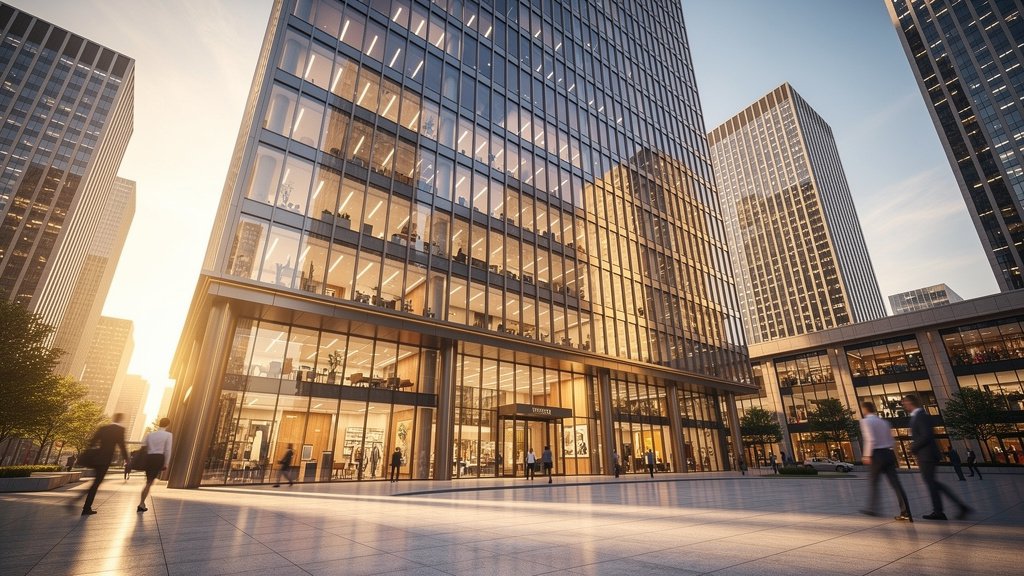
Research from JLL indicates that 78% of corporate tenants prefer viewing photorealistic 3D visualizations during initial property evaluations. These digital assets reduce the cognitive gap between architectural drawings and finished environments, enabling faster decision-making processes. Projects leveraging advanced visualization report 43% shorter lease negotiation timelines compared to those relying solely on 2D documentation.
The financial implications extend beyond speed. High-quality visual content commands premium rental rates by establishing perceived value before tenants experience physical spaces. Class A office developments utilizing virtual reality walkthroughs achieve rental premiums averaging 12-18% above comparable projects using conventional marketing materials.
Strategy 1: Deploy Photorealistic 3D Renderings For Marketing Office Spaces
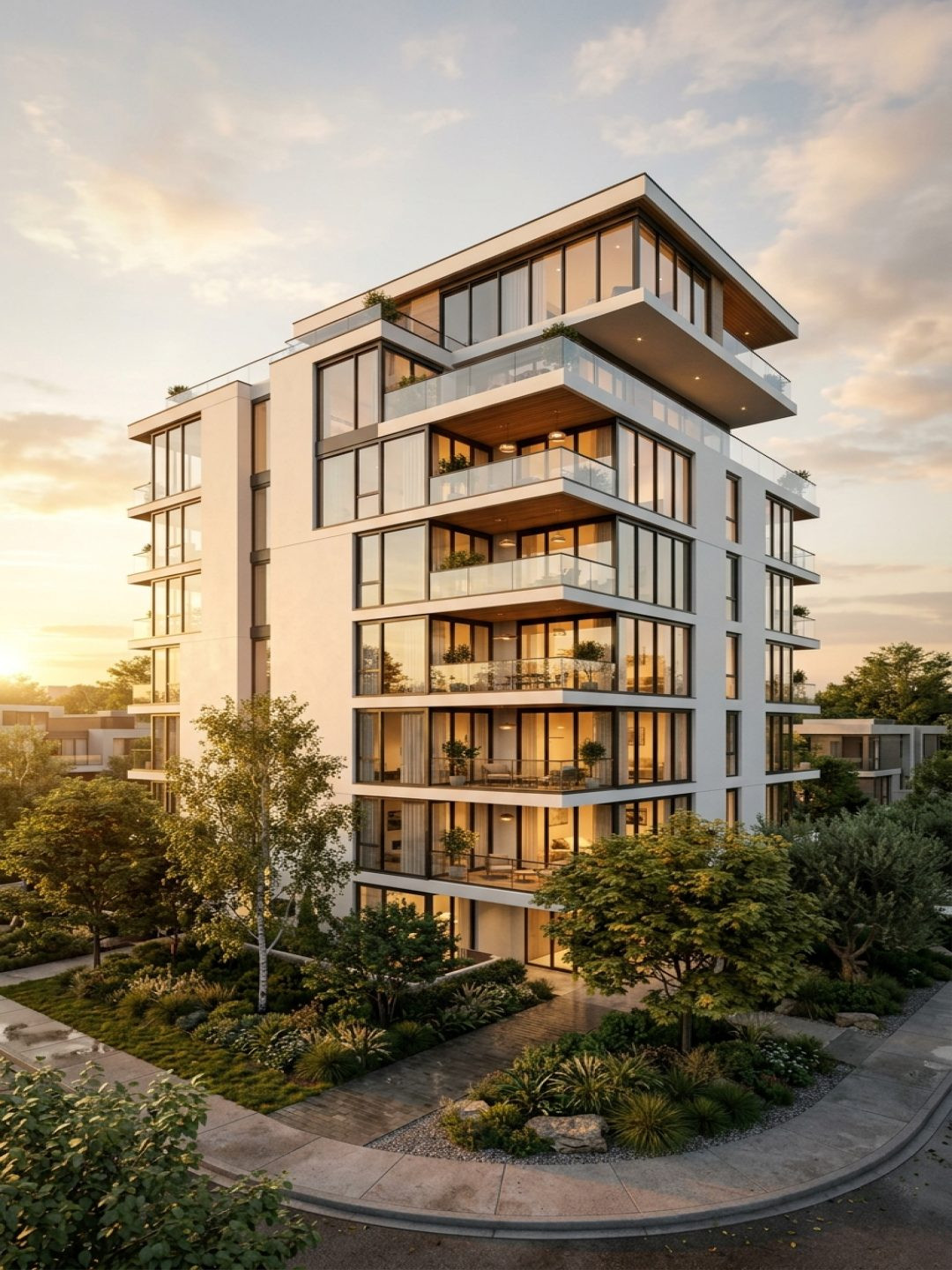
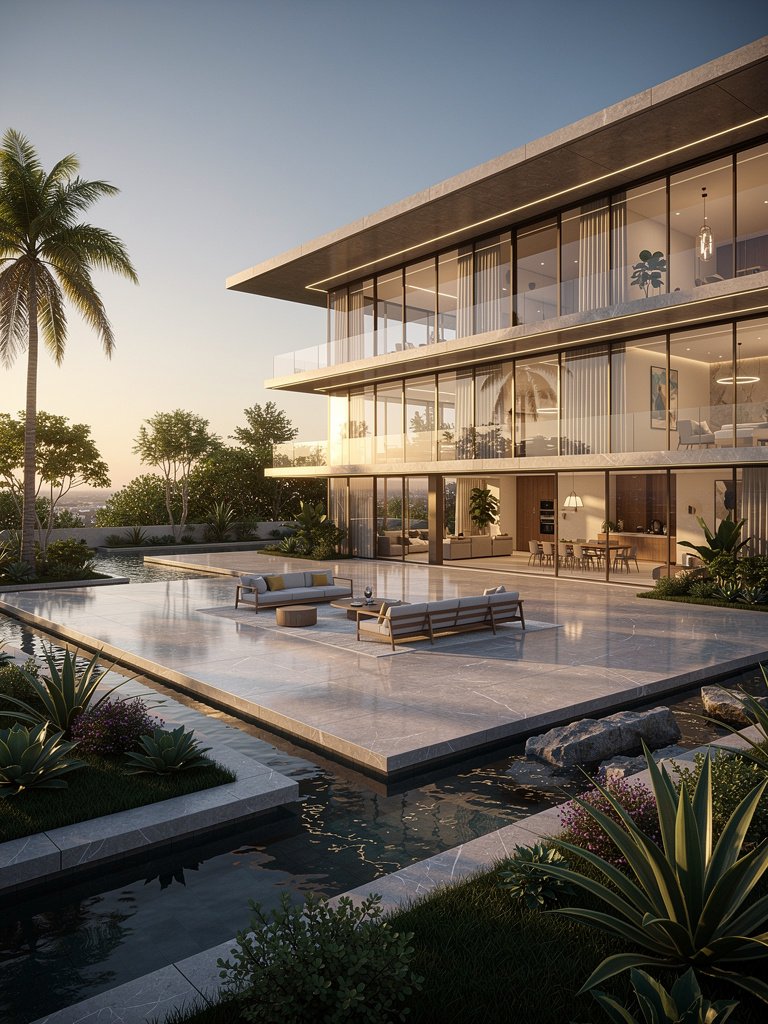
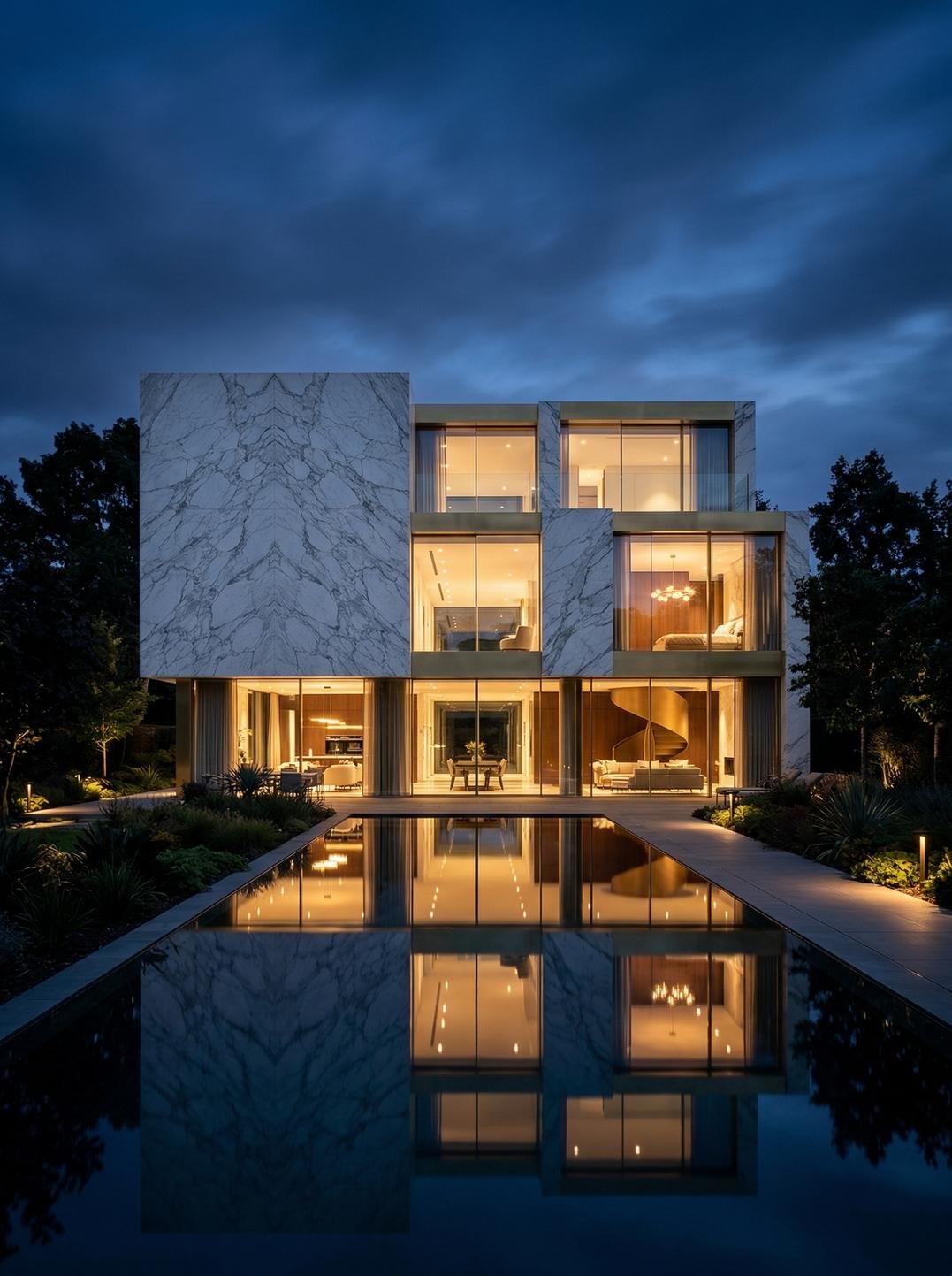
Photorealistic renderings serve as the cornerstone of effective commercial real estate leasing campaigns. These digital assets communicate design excellence, spatial relationships, and tenant experience scenarios that static photography cannot provide during pre-construction phases.
Developers should commission renderings that showcase multiple viewing angles, time-of-day lighting variations, and seasonal contexts. Exterior visualizations must demonstrate urban integration, accessibility, and architectural distinction within competitive markets. Interior renderings should emphasize ceiling heights, natural light penetration, column spacing, and technology infrastructure that corporate tenants prioritize.
The technical specifications matter significantly. Renderings optimized for digital marketing should maintain 4K resolution while balancing file sizes for website performance and email distribution. Image composition should follow professional photography principles, utilizing the rule of thirds, leading lines, and focal points that guide viewer attention toward key selling features.
According to CBRE research on marketing office spaces, pre-leasing commercial property, projects incorporating comprehensive rendering packages receive 3.2 times more qualified inquiries than those relying on conceptual sketches alone. The investment typically represents 0.3-0.7% of total development costs while generating measurable returns through accelerated leasing velocity and improved tenant quality.
Strategy 2: Implement Virtual Reality Experiences For Commercial Real Estate Leasing
Virtual reality technology transforms tenant engagement by providing an experiential understanding impossible through traditional media. VR applications allow prospects to navigate unbuilt spaces, evaluate sightlines, assess acoustic qualities, and visualize customization options during single presentations.
Leading developers now integrate VR into leasing centers and broker presentations. These immersive experiences particularly benefit international tenants unable to visit physical locations during decision timeframes. Virtual walkthroughs eliminate geographical barriers while reducing travel costs and accelerating evaluation processes.
The competitive advantage extends to tenant retention conversations. Existing occupants considering lease renewals versus relocations can experience proposed renovation plans or expansion options through VR, strengthening retention rates by demonstrating landlord commitment to continuous improvement. Studies indicate VR-enabled renewal presentations achieve 28% higher retention compared to conventional proposal methods.
Technical implementation requires coordination between architectural teams and specialized visualization firms. VR environments must accurately reflect approved construction documents, incorporate specified materials and finishes, and maintain frame rates above 60 FPS for comfortable user experiences. Interactive elements should enable prospects to modify paint colors, flooring selections, and spatial configurations in real-time.
Strategy 3: Leverage Animated Flythrough Videos For Pre-Leasing Commercial Property
Animated videos combine emotional storytelling with technical information, creating compelling narratives that static images cannot achieve. Three-minute flythrough presentations guide viewers through arrival sequences, lobby experiences, elevator transitions, floor plate layouts, and amenity spaces while communicating brand positioning and operational advantages.
Professional animation studios employ cinematic techniques, including camera movements, focal transitions, and environmental animations that bring architectural visions to life. Weather effects, pedestrian activity, vehicular traffic, and seasonal landscaping create contextual realism that helps prospects envision daily experiences within completed developments.
Distribution strategies should maximize video content across multiple platforms. YouTube channels optimized with proper metadata improve organic search visibility for location-specific commercial real estate leasing queries. LinkedIn campaigns targeting facility managers, corporate real estate directors, and C-suite executives generate qualified leads when paired with geographic and industry targeting parameters.
Analytics from video platforms provide valuable intelligence about viewer engagement. Heatmap data reveals which project features capture attention, informing both marketing messaging and potential design refinements. Average view duration metrics help optimize video length and pacing for maximum impact. Developers report that prospects who watch complete flythrough videos demonstrate 4.7 times higher lease conversion rates than those engaging with static content alone.
Production timelines typically span 4-8 weeks, depending on project complexity and revision cycles. Early collaboration between developers, architects, and animation teams ensures accurate representation of design intent while maintaining flexibility for evolving specifications during preconstruction phases.
Strategy 4: Create Interactive 3D Configurators For Tenant Customization
Interactive configurators empower prospects to personalize spaces according to specific operational requirements, dramatically increasing emotional investment and purchase commitment. These web-based applications enable users to modify floor plans, select finishes, position furniture, and calculate space utilization without requiring technical expertise.
The psychological impact of interactive customization significantly influences commercial real estate leasing decisions. When prospects actively participate in space planning, they develop an ownership mentality before signing lease agreements. This emotional connection translates to higher conversion rates and reduced negotiation friction regarding build-out specifications.
Technical architecture for configurators requires robust 3D engines capable of real-time rendering across desktop and mobile devices. User interfaces should balance functionality with simplicity, guiding non-technical users through decision trees without overwhelming options. Backend systems must integrate with CRM platforms, capturing configuration data that informs follow-up conversations and formal proposal development.
Retail developers particularly benefit from configurators that demonstrate merchandising flexibility, storefront visibility, and customer flow patterns. Restaurant tenants can evaluate kitchen placement, seating capacity, and service flow before committing to specific suite locations. Office tenants assess private office ratios, conference room positioning, and collaborative space allocation aligned with workplace strategies.
ROI metrics demonstrate configurator effectiveness. Projects implementing interactive tools report 34% reduction in tenant improvement negotiation cycles and 22% decrease in post-occupancy modification requests. The upfront development investment, typically $15,000-$45,000 depending on complexity, generates returns through improved tenant satisfaction and reduced landlord coordination costs.
Strategy 5: Integrate Drone Photography With CGI For Contextual Marketing
Contextual awareness strongly influences commercial real estate leasing decisions, as tenants evaluate proximity to transportation, amenities, workforce populations, and complementary businesses. Hybrid marketing materials combining actual drone photography of surrounding areas with photorealistic CGI of unbuilt developments provide a comprehensive environmental understanding.
This technique addresses the primary limitation of pure CGI, which often lacks authentic neighborhood context. By capturing existing conditions through drone footage and seamlessly integrating rendered buildings, developers communicate both project quality and locational advantages within a single visual narrative.
Technical execution requires precise calibration between drone camera specifications and CGI rendering parameters. Lighting conditions, color grading, atmospheric perspective, and shadow angles must match perfectly for believable compositing. Professional post-production teams utilize advanced software to blend elements while maintaining photographic authenticity.
Marketing applications extend across multiple formats. Hero images for website headers, email campaigns, and printed brochures benefit from contextual integration that competitors using isolated renderings cannot match. Animated sequences showing 360-degree aerial perspectives demonstrate site access, parking configurations, and relationship to highways, transit stations, and commercial corridors.
Regulatory considerations require attention during drone operations. FAA compliance, local ordinances, and airspace restrictions must inform flight planning. Professional drone operators maintain proper licensing, insurance coverage, and safety protocols that protect developers from liability exposure.
The investment structure typically combines drone photography fees ($1,500-$3,500 per session) with CGI integration costs ($3,000-$8,000 depending on complexity). Projects utilizing contextual hybrid marketing report 41% improvement in initial inquiry quality, as prospects arrive with a better understanding of locational attributes and reduced need for basic site orientation.
Measuring Commercial Real Estate Leasing Performance Through Visualization Analytics
Data-driven marketing optimization requires systematic tracking of visualization asset performance across distribution channels. Modern analytics platforms measure engagement metrics, conversion pathways, and ROI attribution that justify technology investments and inform continuous improvement.
Website analytics should track rendering gallery engagement duration, video completion rates, and configurator session lengths. Heatmapping tools reveal which visual elements capture attention and which design features prospects investigate most thoroughly. A/B testing different rendering styles, camera angles, and contextual presentations identifies optimal approaches for specific property types and tenant demographics.
CRM integration connects visualization engagement with lead progression and lease execution. Developers can correlate specific asset interactions with conversion likelihood, enabling sales teams to prioritize prospects demonstrating high-intent behaviors. Marketing automation workflows can trigger personalized follow-up sequences based on which renderings prospects viewed or which configurator options they explored.
Cost-per-lease metrics provide ultimate performance validation. By comparing total visualization investment against leasing velocity improvements and rental rate premiums, developers calculate precise ROI figures that inform future project budgeting. Industry benchmarks indicate that comprehensive visualization strategies generating 25% leasing acceleration and 10% rental premiums deliver 4.7:1 ROI ratios on technology investments.
Third-party platforms, including CommercialEdge, LoopNet, and CoStar, now prioritize listings with rich visual content in search algorithms. Properties featuring multiple high-quality renderings, videos, and virtual tours receive preferential placement and generate 2.8 times more profile views than text-only listings. This algorithmic advantage amplifies organic visibility without proportional increases in advertising expenditure.
Advanced Applications: Augmented Reality For On-Site Commercial Real Estate Leasing
Augmented reality represents the emerging frontier in commercial real estate leasing technology, enabling prospects to visualize unbuilt spaces while standing on actual construction sites. Tablet and smartphone applications overlay digital architectural models onto physical environments, demonstrating scale, positioning, and views that empty lots cannot communicate.
On-site AR experiences prove particularly valuable during early construction phases when structural framing exists but interior finishes remain incomplete. Prospects can point devices at bare concrete and view finished lobbies, elevator cabs, and corridor treatments exactly as they will appear upon completion. This temporal bridging reduces imagination barriers that delay leasing decisions.
Technical requirements include accurate 3D models, GPS positioning, and marker-based or markerless tracking systems. Professional implementations utilize LiDAR scanning of existing conditions to ensure precise alignment between digital overlays and physical environments. User interfaces should provide simple controls for toggling between existing conditions, construction progress, and finished visualizations.
Early adopters report significant competitive advantages. Mixed-use developers offering AR site tours during broker events create memorable experiences that generate sustained marketing momentum. The novelty factor drives social media sharing and earned media coverage that extends brand reach beyond traditional commercial real estate audiences.
Implementation costs currently range from $25,000-$75,000 for enterprise-grade applications supporting multiple properties. As AR development tools mature and implementation costs decline, this technology will transition from a competitive differentiator to a market expectation within 3-5 years.
Building A Comprehensive Commercial Real Estate Leasing Technology Stack
Successful visualization strategies require integrated technology ecosystems rather than isolated tools. Developers should construct comprehensive stacks connecting rendering libraries, video hosting, interactive configurators, CRM systems, and analytics platforms into unified marketing infrastructures.
Cloud-based digital asset management systems provide centralized repositories where architectural teams, marketing departments, and broker networks access current visual materials. Version control ensures all stakeholders utilize approved renderings reflecting the latest design revisions. Permission settings protect proprietary information while enabling selective sharing with qualified prospects.
Email marketing platforms should integrate rendering galleries and video content within responsive templates optimized for mobile viewing. Automated nurture sequences can deliver progressive content that educates prospects about property features, neighborhood advantages, and lease terms through visual storytelling rather than text-heavy messaging.
Social media management tools enable the scheduled distribution of rendering content across LinkedIn, Instagram, Facebook, and Twitter. Platform-specific optimization ensures videos meet technical specifications and aspect ratios that maximize native performance. Paid amplification campaigns can target demographic and firmographic parameters aligned with ideal tenant profiles.
The total technology investment for comprehensive commercial real estate leasing stacks ranges from $50,000-$150,000 annually for major developments, representing 0.1-0.3% of total project budgets. This allocation positions properties competitively against institutional competitors while generating measurable returns through accelerated absorption and premium positioning.
Conclusion: The Future Of Commercial Real Estate Leasing Is Visual
Market dynamics increasingly favor developers who embrace advanced visualization technology as core leasing infrastructure rather than supplementary marketing expenses. Tenant expectations continue rising as consumer-grade technologies, including VR, AR, and interactive 3D, become mainstream experiences.
Forward-thinking developers recognize that visualization investments generate compounding returns across project lifecycles. Initial rendering packages created for pre-leasing serve ongoing tenant recruitment, lease renewal presentations, property management communications, and eventual disposition marketing. This asset longevity amplifies ROI beyond initial leasing campaigns.
The competitive landscape will increasingly separate technologically sophisticated developers from traditional operators relying on outdated marketing approaches. Projects offering immersive digital experiences will command tenant attention, broker enthusiasm, and media coverage that translates directly to occupancy rates and rental premiums.
Your commercial real estate leasing strategy deserves visualization excellence that converts prospects into committed tenants. Explore our Portfolio to see how industry-leading developers leverage photorealistic renderings, virtual reality, and interactive experiences that win premium leases before construction completion.
FAQs
How much should developers budget for commercial real estate leasing visualization?
Comprehensive visualization packages typically range from $35,000 to $125,000, depending on project scale and asset complexity. This investment should include 8-15 photorealistic renderings, 1-2 animated flythrough videos, and interactive floor plan tools. Projects exceeding 200,000 square feet may require proportionally higher budgets to adequately represent multiple building perspectives and diverse tenant space configurations.
When should visualization content be commissioned during development timelines?
Optimal timing begins during schematic design phases, approximately 12-18 months before anticipated lease marketing launches. Early commissioning allows iterative refinement as architectural details evolve while ensuring marketing materials align with construction documentation. Developers should avoid waiting until design development completion, as rushed production timelines compromise quality and limit revision opportunities.
Can visualization technology actually reduce vacancy periods in commercial properties?
Industry data confirms that properties utilizing comprehensive visualization strategies achieve 23-35% faster lease-up compared to those relying on traditional marketing. The acceleration results from improved prospect qualification, reduced decision timeframes, and enhanced broker enthusiasm. Premium visual content attracts higher-quality tenant inquiries that convert more efficiently than volume-based approaches generating unqualified leads.
What visualization formats perform best for different commercial property types?
Office developments benefit most from interior renderings showcasing floor plate flexibility and amenity spaces. Retail properties require exterior perspectives demonstrating visibility, signage opportunities, and parking access. Industrial facilities need contextual aerials highlighting transportation connectivity and loading capabilities. Mixed-use projects demand comprehensive packages spanning all categories to address diverse tenant requirements across property components.
How do virtual reality experiences impact lease conversion rates?
Research indicates prospects experiencing VR property tours demonstrate 4.2 times higher conversion likelihood than those viewing static renderings alone. The immersive format creates emotional connections and spatial understanding that accelerate decision confidence. VR particularly impacts large-footprint tenants considering multi-floor commitments where traditional media cannot adequately communicate scale and circulation patterns.
Should developers create visualization content in-house or outsource to specialists?
Most developers achieve superior results partnering with specialized visualization firms possessing dedicated rendering infrastructure, experienced artistic teams, and established quality control processes. In-house capabilities rarely match specialist expertise due to software licensing costs, hardware requirements, and talent retention challenges. Outsourcing also provides scalability, allowing developers to adjust production volume across project pipelines without fixed overhead commitments.
“An absolutely excellent 3D team that I genuinely enjoy working with – always attentive, responsive, and open to adjustments. Communication is seamless and the results consistently meet our expectations. A trusted partner I recommend without hesitation.”
— Sofia Bouziane ★★★★★ · Google review