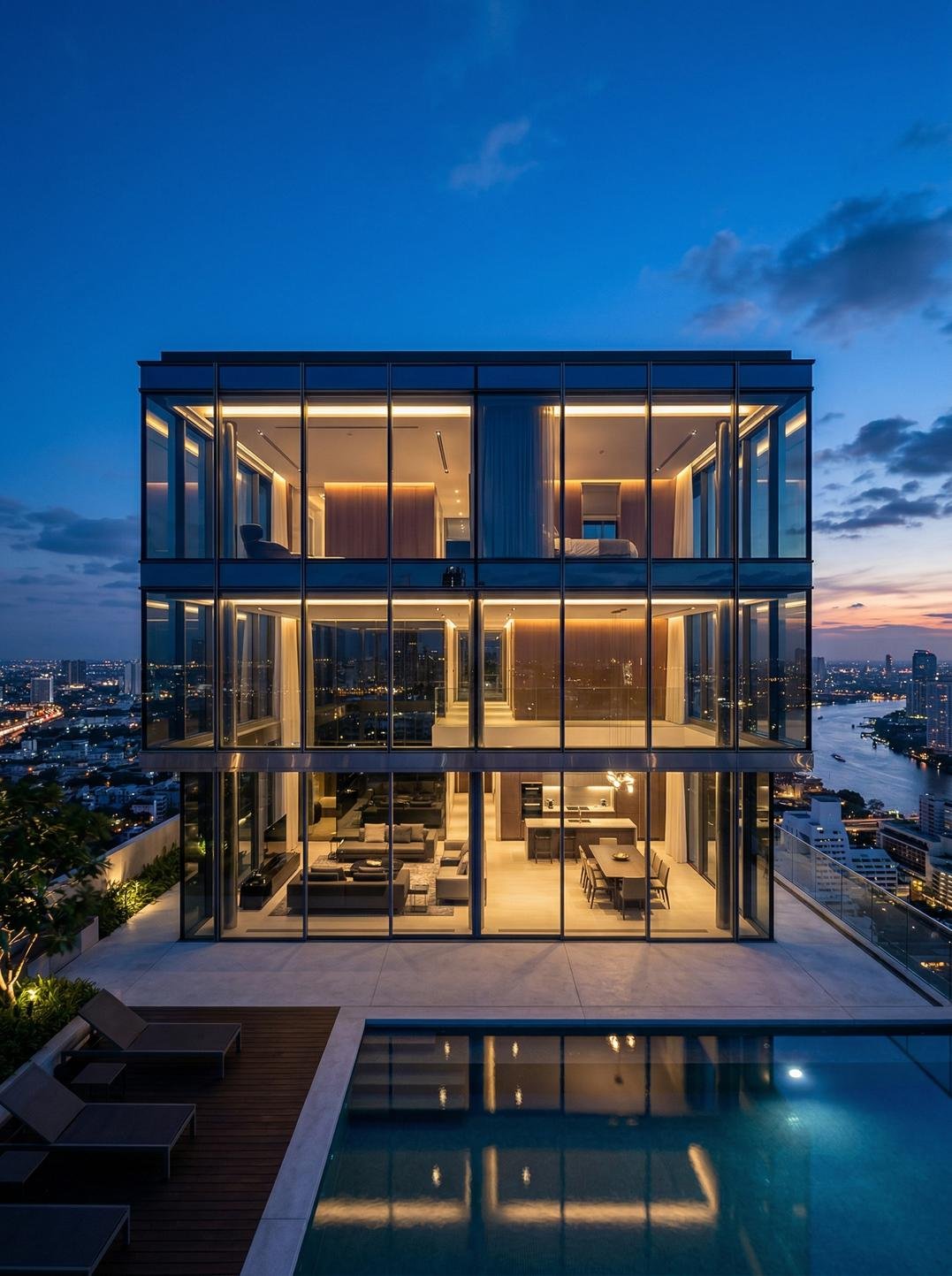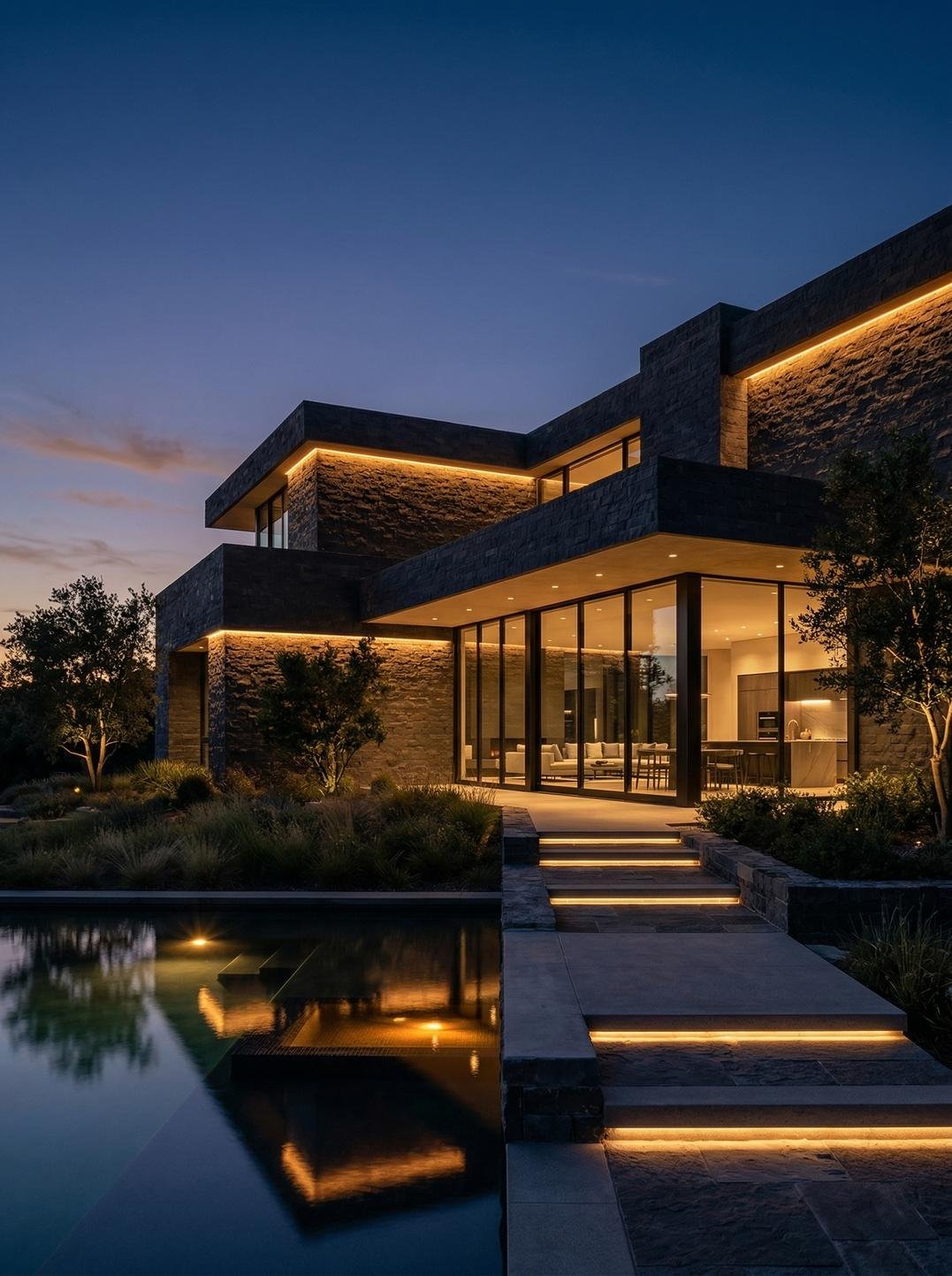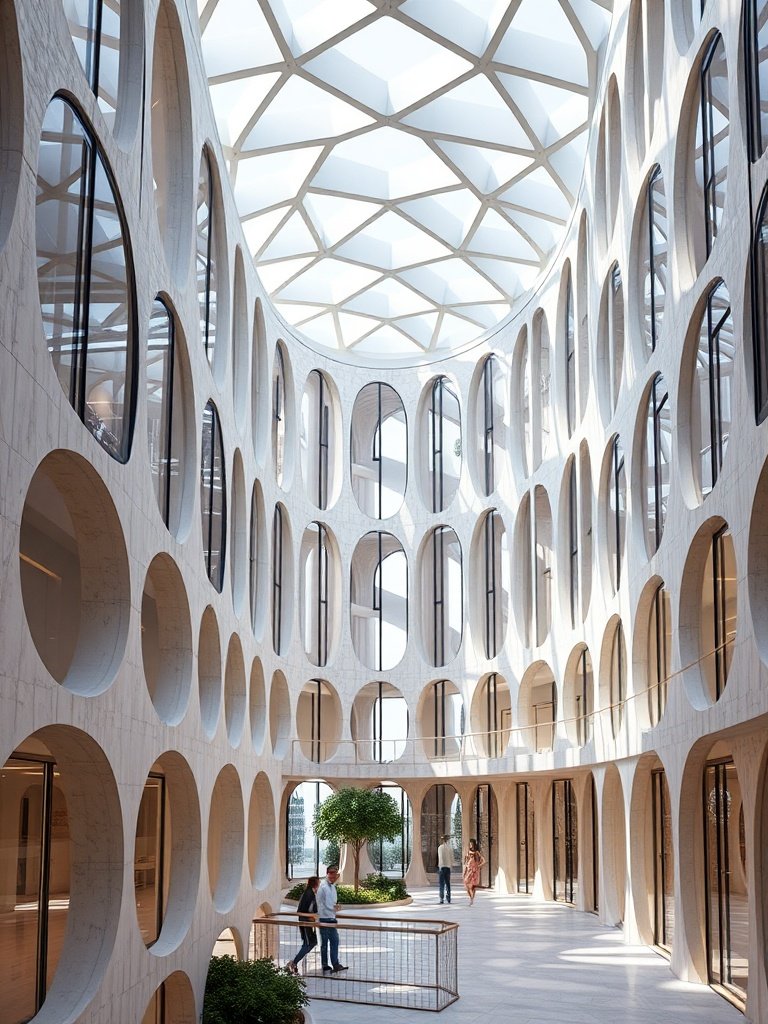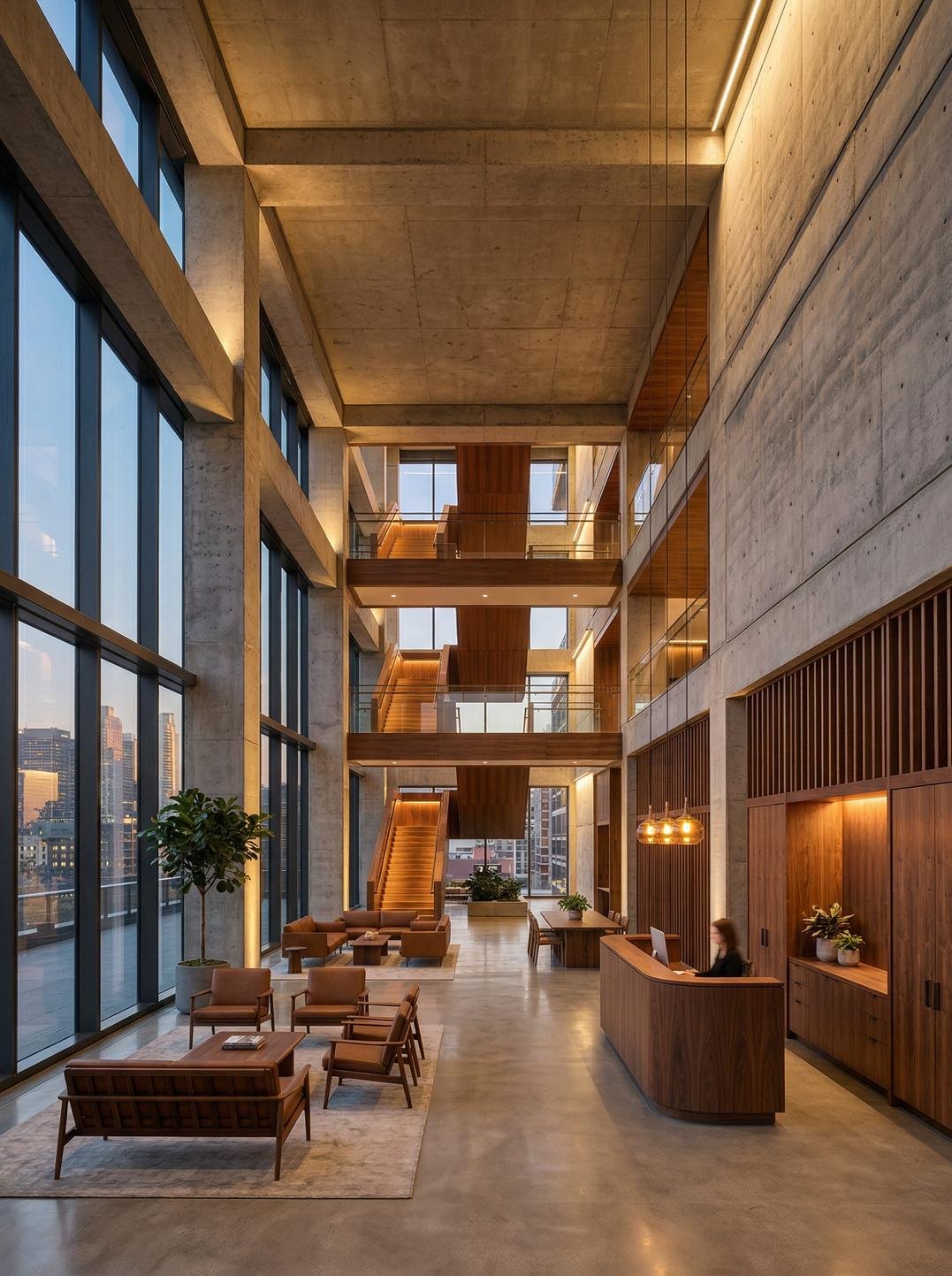

Luxury property branding is not a design exercise — it is a precision positioning exercise. Every visual element in the marketing package, from the hero render to the site-plan graphic, is communicating something about where this development sits in the market and who it is for. If those signals are inconsistent, the positioning fails regardless of how strong the underlying design is.
The global luxury real estate market reached $1.4 trillion in 2023, with buyers increasingly demanding immersive brand experiences before making purchase decisions. Developers who treat branding as an afterthought leave millions in potential ROI on the table.
Table of Contents
Why Luxury Property Branding Determines Your Market Position
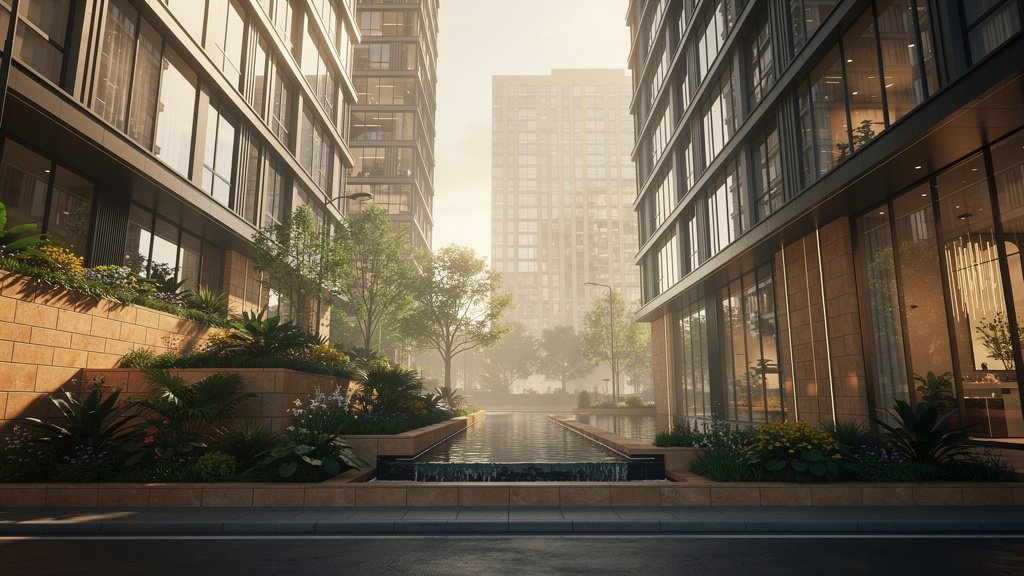
The science behind luxury property branding reveals something critical: affluent buyers aren’t purchasing square footage. They’re investing in identity, lifestyle, and social capital. Your branding must communicate these intangibles with precision.
Knight Frank’s 2024 Wealth Report demonstrates that 68% of ultra-high-net-worth buyers engage with a development’s brand story before ever scheduling a site visit. This shift toward brand-first evaluation means your visual identity, messaging architecture, and digital presence directly impact whether prospects enter your sales funnel.
1. Deploy Photorealistic CGI That Transforms Buyer Psychology
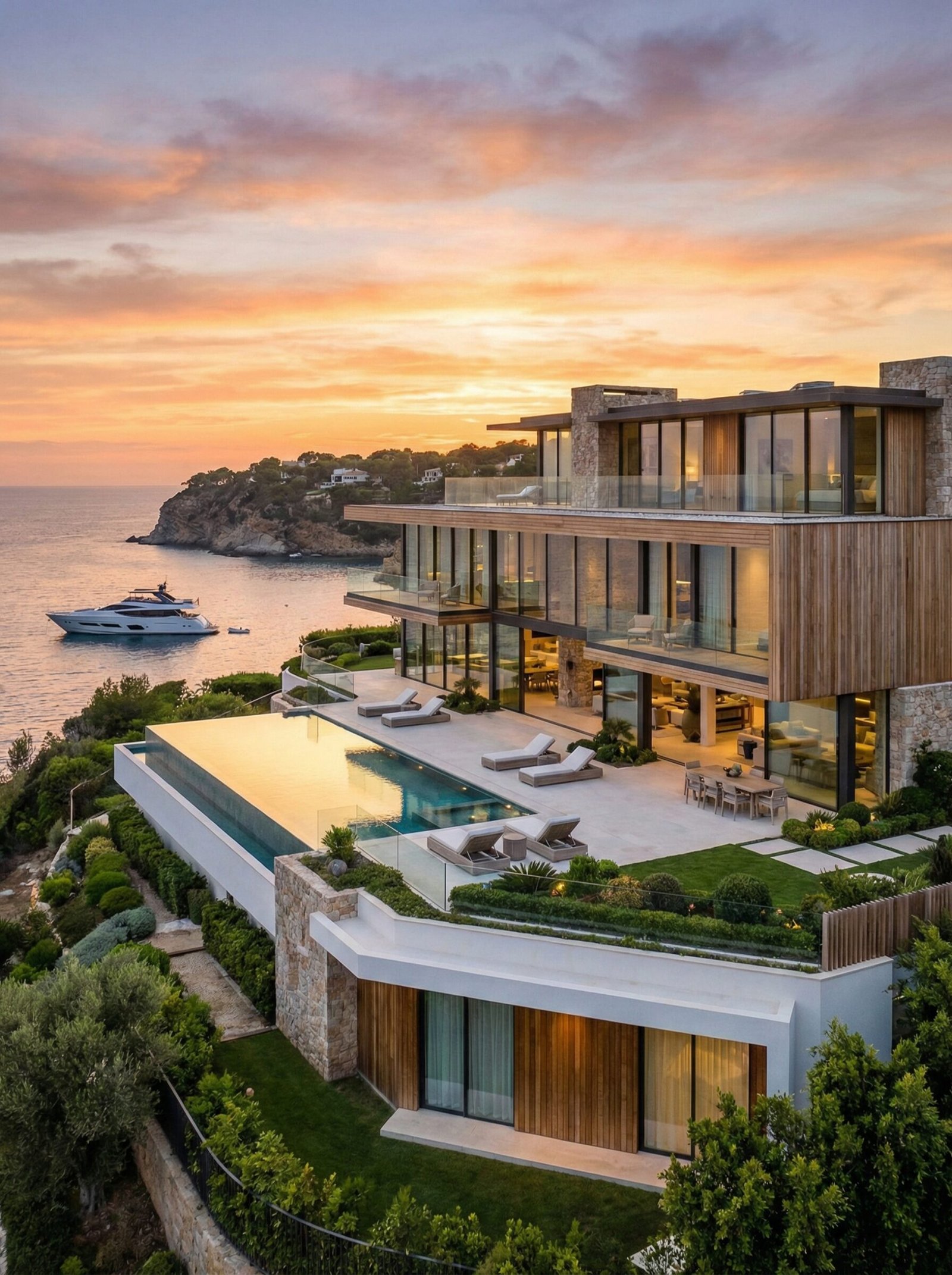
Premium CGI visualization has evolved from a nice-to-have amenity to a fundamental sales accelerator. The human brain processes visual information 60,000 times faster than text, making your CGI the first impression that either captivates or repels prospects.
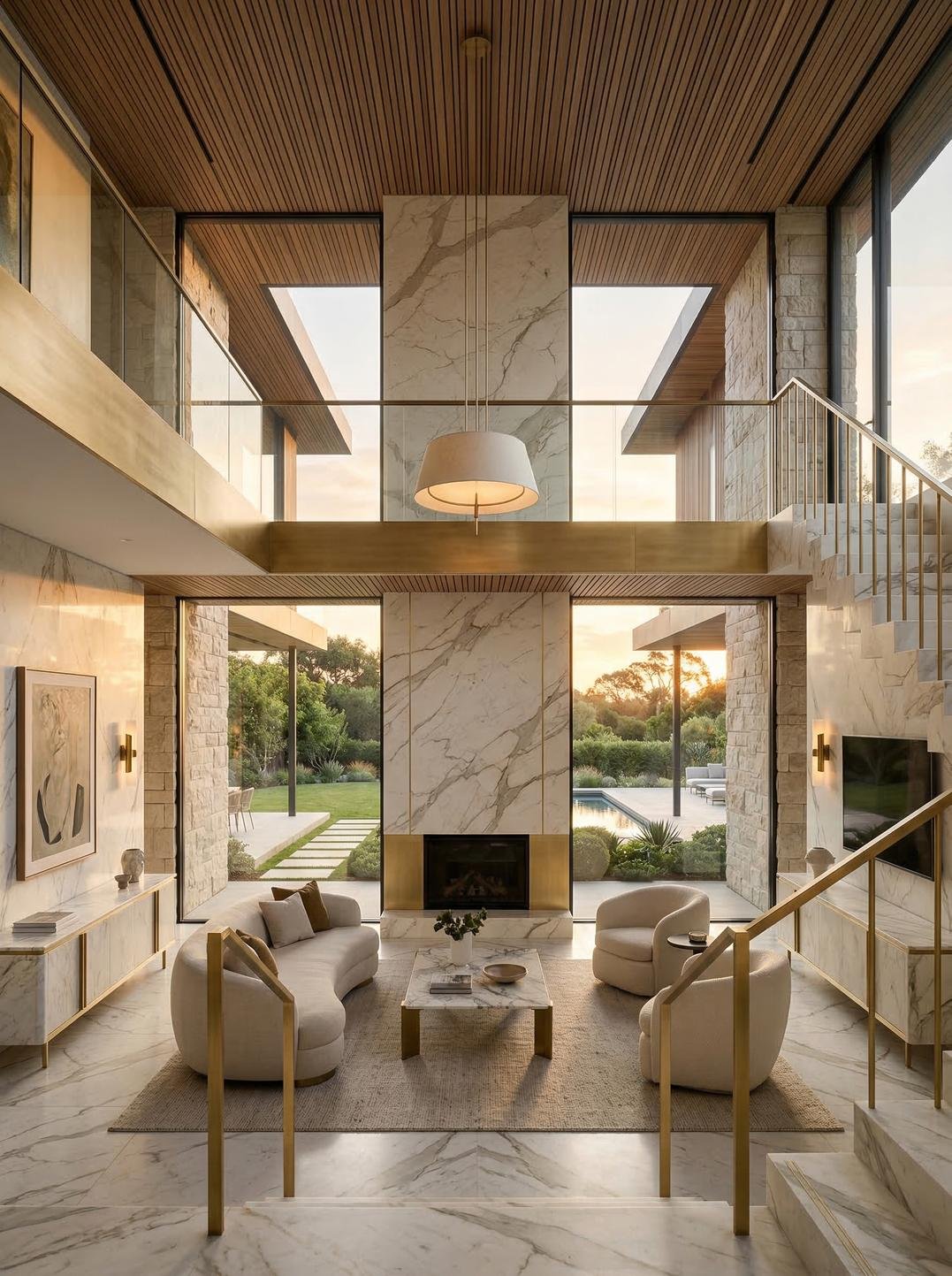
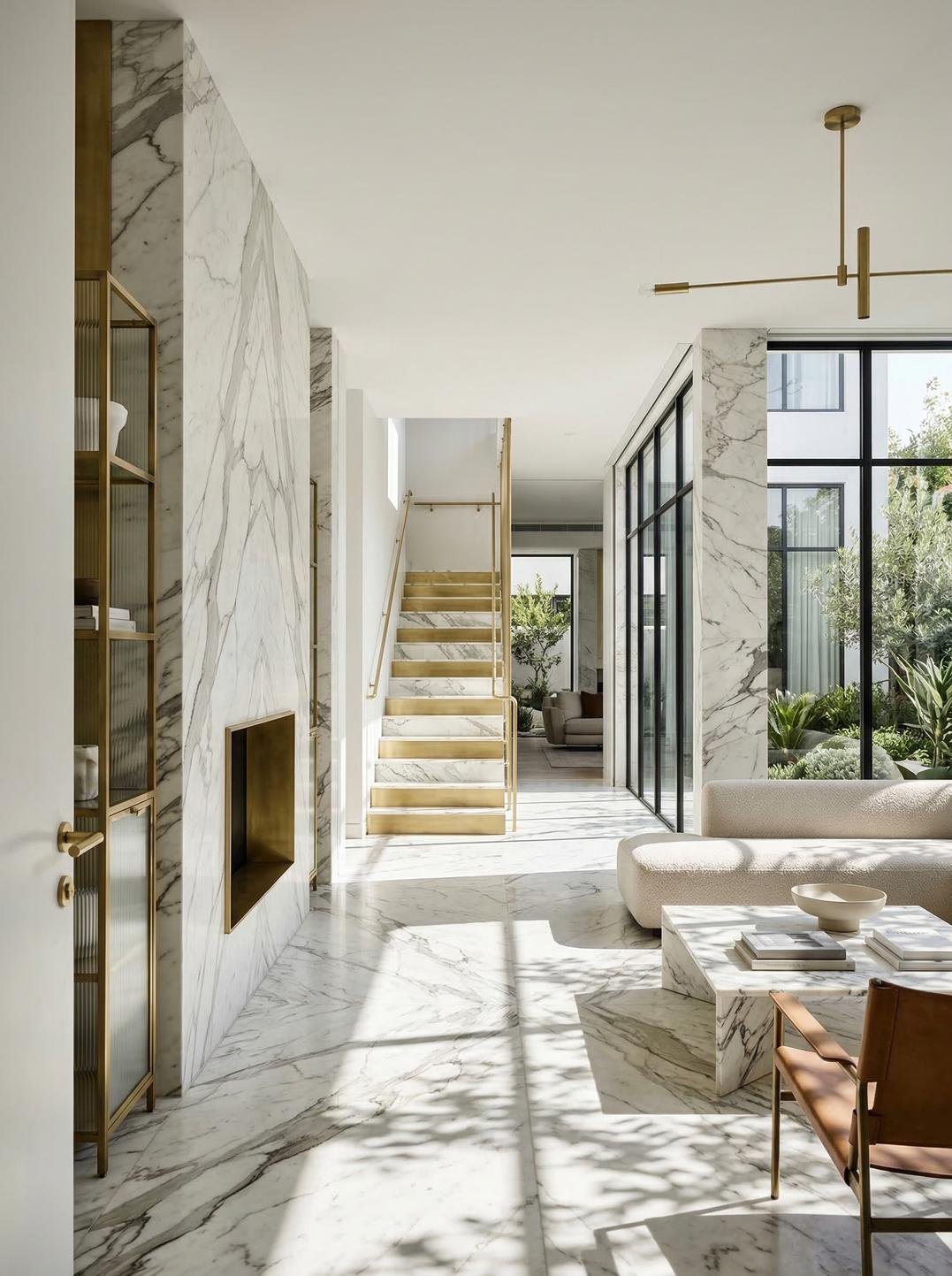
High-end developers working with specialized architectural visualization studios report 43% higher engagement rates on listing platforms compared to photography-only presentations. The reason is neurological: photorealistic renderings allow prospects to emotionally inhabit spaces that don’t yet exist, triggering the same neural pathways as physical presence. This psychological pre-ownership dramatically shortens sales cycles for luxury inventory. When prospects can visualize their morning coffee on a specific terrace or their art collection in a particular gallery wall, they’ve already begun the ownership journey mentally. Studios capable of rendering accurate material properties—the exact refraction of light through Calacatta marble, the authentic grain pattern of reclaimed oak, the precise drape of custom window treatments—create this essential emotional bridge. The investment in premium CGI typically ranges from $3,000 to $15,000 per image, but developers consistently report that a comprehensive suite of 20-25 hero images generates sales premiums that exceed the visualization budget by 10-15x. This isn’t marketing hyperbole; it’s reflected in comparable sales data from identical floor plans marketed with standard photography versus premium CGI packages.
2. Architect a Brand Narrative That Transcends Property Features
Luxury buyers purchase stories, not specifications. Your brand narrative must position the development within a broader cultural context that resonates with your target demographic’s aspirations.
Successful luxury property branding campaigns craft narratives around legacy, exclusivity, innovation, or cultural significance. A waterfront tower isn’t selling marina views; it’s offering membership in a maritime legacy dating back centuries.
3. Create Signature Moments Through Experiential Marketing
The most effective marketing high-end real estate, developer branding strategies orchestrate unforgettable physical experiences. Private helicopter tours, chef-curated tasting events in show suites, or collaboration with luxury automotive brands create memorable touchpoints.
These signature moments generate social currency. Prospects share experiences, not specifications, with their networks and advisors.
4. Leverage Virtual Reality for Remote International Buyers
With 37% of luxury property purchases now involving international buyers, VR technology eliminates geography as a sales barrier. Sophisticated VR experiences allow prospects in Singapore to explore Miami penthouses with spatial accuracy.
The technology has matured beyond gimmick status. Developers implementing enterprise-grade VR report that prospects who complete virtual tours are 2.7x more likely to schedule in-person viewings than those engaging only with traditional materials.
5. Position Through Strategic Media Placements and Editorial Coverage
Earned media in publications like Architectural Digest, Robb Report, and The Wall Street Journal’s Mansion Global carries authority that paid advertising cannot replicate. These placements function as third-party validation of your development’s cultural relevance.
Smart developers cultivate relationships with editorial teams months before launch, providing exclusive access and compelling story angles. The resulting coverage becomes permanent digital assets that enhance SEO and brand credibility.
6. Implement Data-Driven Buyer Persona Targeting
Generic luxury messaging fails because the category itself is too broad. A tech entrepreneur values different attributes than a family office principal or an entertainment industry executive.
Advanced luxury property branding employs psychographic segmentation, creating distinct messaging streams for each persona. This precision targeting increases conversion rates while reducing marketing waste.
7. Commission Original Art and Cultural Programming
Developments that integrate museum-quality art installations or ongoing cultural programming signal a commitment to enrichment beyond square footage. This strategy particularly resonates with culturally engaged buyers.
Partnerships with galleries, foundations, or individual artists create ongoing content opportunities while differentiating the development from competitors relying solely on amenities and finishes.
8. Design Digital Experiences That Reflect Physical Quality
Your website serves as the digital show suite. If the online experience feels template-driven or generic, prospects assume the physical development shares those characteristics.
Custom web development with seamless animation, intuitive navigation, and sophisticated visual design communicates the same attention to detail buyers expect in construction and finishes. Load speeds under two seconds are non-negotiable for luxury audiences.
9. Establish Thought Leadership Through Content Marketing
Developers who publish substantive content about design philosophy, sustainability innovation, or market insights position themselves as industry authorities rather than mere builders.
This content strategy attracts media attention, improves organic search visibility, and builds trust with sophisticated buyers who conduct extensive due diligence before engaging sales teams.
10. Create Exclusivity Through Controlled Information Release
Scarcity drives luxury demand. Strategic information architecture—revealing details progressively through registration gates, private previews, and tiered access—builds anticipation while capturing lead data.
The psychology of exclusivity transforms interest into urgency. Developments marketed as “by invitation only” or “exclusive preview” generate higher-quality leads than those with open access.
11. Partner With Aligned Luxury Brands for Co-Marketing
Strategic partnerships with luxury automotive brands, watch manufacturers, private aviation companies, or hospitality groups create association value while sharing marketing costs.
These collaborations must feel organic rather than transactional. A development emphasizing craftsmanship might partner with a heritage watch brand, while a technology-forward building aligns with innovative automotive manufacturers.
12. Invest in Premium Photography and Video Production
While CGI handles pre-construction marketing, completed projects require photography that captures the lived experience of luxury. This means investing in specialists who understand architectural photography, not generalists.
Video content showing spaces at different times of day, seasonal changes, and lifestyle moments creates emotional resonance that static images cannot achieve. Production budgets for luxury property video typically range from $25,000 to $100,000.
13. Develop a Comprehensive Social Media Strategy for Luxury Property Branding
Effective social media for luxury property branding avoids hard selling in favor of lifestyle storytelling. Instagram and LinkedIn serve different functions in the buyer journey and require tailored content strategies.
Instagram showcases aspirational lifestyle elements, architectural details, and neighborhood culture. LinkedIn positions developers as industry thought leaders through market analysis and development insights.
14. Create Bespoke Sales Collateral That Feels Like Coffee Table Books
Sales materials for luxury developments should feel like collectible objects rather than disposable brochures. This means premium paper stocks, custom typography, thoughtful binding, and photography worthy of gallery display.
Prospects keep these materials in their offices or homes, extending brand exposure far beyond the initial meeting. The cost per unit increases, but so does perceived value and brand recall.
15. Measure and Optimize Based on Conversion Data
The final tactic involves rigorous analytics. Track which visualization styles generate the most engagement, which messaging resonates with specific personas, and which channels drive the highest-quality leads.
A/B testing different CGI compositions, headline variations, and call-to-action placements provides empirical data that removes guesswork from future campaigns. This analytical approach to luxury property branding compounds effectiveness over multiple projects.
The ROI Equation for Luxury Property Branding Investments
Calculating return on branding investment requires looking beyond direct attribution. While some conversions trace directly to specific tactics, branding generates value through price premiums, accelerated absorption rates, and enhanced developer reputation.
Research from Savills indicates that luxury developments with comprehensive branding strategies achieve average price premiums of 12-18% compared to similar projects with minimal branding investment. For a $200 million development, this translates to $24-36 million in additional revenue—dramatically exceeding even the most ambitious branding budgets.
Absorption rate improvements matter equally. Projects that sell out in 14 months versus 28 months reduce carrying costs, enable earlier capital redeployment, and minimize market risk exposure.
Common Pitfalls in Marketing High-End Real Estate
The most frequent mistake developers make is applying mass-market tactics to luxury audiences. Email blast campaigns, aggressive retargeting, and high-frequency advertising create perception problems with discerning buyers.
Another critical error involves treating luxury property branding as a launch-only initiative rather than a sustained strategic effort. Brand building requires consistency across years, not months.
Budget allocation mistakes plague many developments. Developers will specify $500,000 in lobby finishes but allocate only $30,000 to the branding and visualization that sells those finishes. This inverse relationship between physical investment and marketing budget undermines both.
How Architectural Firms Should Approach Developer Branding Partnerships
Architectural firms possess unique advantages in marketing high-end real estate, developer branding conversations. Your design vision should inform brand strategy from the earliest conceptual phases.
Leading firms now include brand consultants and visualization specialists in initial pitch teams, demonstrating understanding that design excellence requires equally sophisticated communication strategies. This integrated approach positions architecture firms as strategic partners rather than service providers.
When architectural firms control the visual narrative through in-house or partnership-based visualization capabilities, design intent translates more accurately to market positioning. This alignment prevents the common disconnect where marketing messages contradict architectural philosophy.
The Technology Stack Supporting Modern Luxury Property Branding
Contemporary luxury property branding requires sophisticated technology infrastructure. CRM platforms customized for luxury sales cycles track prospect engagement across multiple touchpoints spanning months or years.
Marketing automation tools must support sophisticated nurture sequences that provide value without feeling transactional. Interactive configuration tools allow prospects to explore finish options, furniture layouts, and smart home integrations.
Analytics platforms need capability beyond standard Google Analytics, tracking heat maps, scroll depth, video engagement metrics, and visualization interaction patterns.
Sustainability and ESG Messaging in Luxury Property Branding
The ultra-wealthy increasingly prioritize sustainability, but ESG messaging requires authenticity. Green building certifications mean little without compelling communication about health benefits, energy performance, and long-term value protection.
Successful sustainability branding focuses on innovation and wellness rather than sacrifice or compromise. Smart developers position environmental features as performance upgrades that enhance comfort, reduce operational costs, and align with values.
LEED Platinum, WELL certification, or passive house standards become brand differentiators when communicated as evidence of uncompromising quality standards rather than environmental obligations.
Regional Considerations for International Luxury Property Branding
Cultural intelligence separates effective international campaigns from tone-deaf ones. Color psychology, numerical significance, architectural preferences, and communication styles vary dramatically across markets.
Developments targeting Asian buyers might emphasize feng shui compliance, numerical auspiciousness in unit numbers, and multigenerational living configurations. European buyers often prioritize historical context, cultural programming, and understated elegance over overt displays of luxury.
Middle Eastern buyers frequently value privacy, separate guest accommodations, and specific prayer room orientations. Latin American buyers might prioritize security features, staff accommodations, and family gathering spaces.
Frequently Asked Questions About Luxury Property Branding
What is the typical budget allocation for luxury property branding as a percentage of total development cost?
Industry benchmarks suggest allocating 2-4% of total development cost to comprehensive branding, marketing, and sales efforts for luxury properties. This includes visualization, website development, collateral production, media placement, event marketing, and sales center buildout. Developments above $100 million often allocate 3-5% given the competitive landscape and buyer expectations.
How early should developers engage branding specialists in the development process?
The most successful projects integrate branding strategists during the conceptual design phase, before architectural plans are finalized. This early involvement ensures that marketable differentiators inform design decisions, naming strategy aligns with positioning, and visualization roadmaps support phased marketing releases. Waiting until construction begins significantly limits strategic options and forces reactive rather than proactive branding.
What ROI metrics should developers track for luxury property branding investments?
Beyond direct lead generation, track price premium versus comparable properties, absorption rate compared to market averages, cost per qualified lead, sales cycle length, deposit-to-close conversion rate, and referral percentage. Brand awareness metrics include media coverage value, social media engagement quality, website session duration, and broker sentiment. The most sophisticated developers implement multi-touch attribution modeling that values each brand interaction throughout the extended luxury sales cycle.
How does luxury property branding differ from mass-market residential marketing?
Luxury branding prioritizes exclusivity over reach, storytelling over specifications, and relationship-building over transactional messaging. The content quality standards are exponentially higher, the sales cycles are measured in months rather than weeks, and the decision-making involves multiple advisors beyond the end buyer. Mass-market tactics emphasizing affordability, availability, and urgency actively damage luxury positioning by signaling desperation rather than desirability
Transform Your Development’s Market Position
The luxury real estate landscape rewards developers who understand that branding isn’t cosmetic—it’s fundamental to value creation. Each tactic outlined above contributes to a comprehensive system that positions your development at the market’s peak.
Strategic luxury property branding doesn’t cost; it pays. The premium pricing, accelerated absorption, and enhanced reputation compound across your portfolio, creating competitive advantages that extend far beyond individual projects.
Ready to transform how the market perceives your next development? Explore our portfolio to see how we’ve helped leading developers and architectural firms achieve record-breaking sales through strategic visualization and branding excellence.
“An exemplary collaboration with Arkilex. We brought them in to visualize several projects and the result is simply impressive. Beyond the visual quality, their time management is flawless – deadlines met with rare precision. A trustworthy, responsive, professional partner I highly recommend.”
— Aquaya Maroc ★★★★★ · Google review