
A real estate pitch deck is a different document from a marketing brochure. Its audience is not a lifestyle buyer imagining their future home — it is an investor running comparative analysis across multiple opportunities, looking for specific evidence that this project is credible and the team can execute.
For Real Estate Developers and Hospitality Investors, the primary challenge is no longer just presenting data—it is mitigating perceived risk. When stakeholders cannot “see” the finished product, they hesitate. High-fidelity architectural visualization bridges this psychological gap, accelerating the approval process and streamlining the path to pre-sales.
Table of Contents
The Strategic Value of Visualization
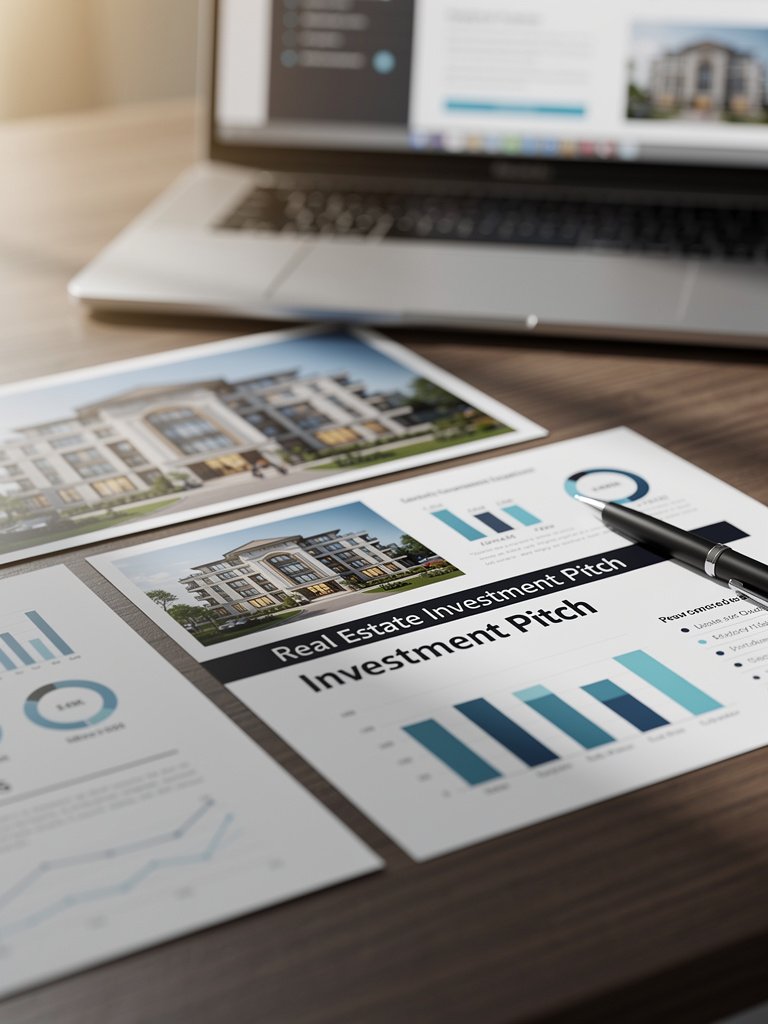
In a crowded market, a professional property investment presentation acts as more than just a deck; it is a competitive weapon. Strategic visualization moves the conversation beyond square footage and cost-per-unit into the realm of lifestyle and return on investment (ROI).
Current market trends indicate that developments utilizing photorealistic CGI see a 30% faster approval rate from municipal boards and private equity partners. By investing in top-tier visuals, firms demonstrate a level of professionalism that signals project maturity. This isn’t just about aesthetics; it’s about brand equity. High-quality 3D renders serve as a proof-of-concept that reduces the “imagination tax” typically paid by investors when looking at flat 2D drawings.
Technical Precision & Workflow: From CAD to Capital
The transition from technical CAD drawings to investor-ready marketing assets requires more than artistic talent—it requires architectural literacy and a deep understanding of structural integrity. A common mistake in the industry is treating 3D rendering as a purely creative exercise; however, in reality, for a Real estate pitch deck to be truly effective and persuasive, it must maintain rigorous technical fidelity to ensure that every load-bearing column, HVAC integration, and spatial clearance is mathematically accurate. When a Real estate pitch deck features high-fidelity renders that align perfectly with the construction documents, it removes ‘visual noise’ and builds an incredible amount of trust with sophisticated capital partners who look for cues that the project is feasible. By integrating these mathematically precise visuals into your Real estate pitch deck, you provide a tangible, emotion-driven roadmap that closes the ‘imagination gap’ for non-technical stakeholders, effectively de-risking the investment and providing the structural certainty needed to secure multi-million dollar project approvals in today’s hyper-competitive global market.
The professional workflow for creating high-fidelity assets for a Real estate pitch deck begins with the rigorous ingestion of Revit or AutoCAD files, ensuring every structural pillar, window mullion, and load-bearing element is meticulously accounted for to maintain absolute architectural truth. This technical precision builds an incredible amount of trust between the development team and potential capital partners. When a Hospitality Investor reviews a proposal within a Real estate pitch deck, they are looking for absolute accuracy in scale and spatial flow to ensure the project is actually buildable and economically viable. If the visual representation of a luxury lobby or guest suite in the Real estate pitch deck is physically impossible according to the technical schematics, the developer’s credibility vanishes instantly. Therefore, professional CGI studios utilize advanced global illumination engines and physically based rendering (PBR) to ensure that what the investor sees in the Real estate pitch deck is exactly what will be built, effectively de-risking the creative vision and providing the structural certainty required to secure multi-million dollar funding in a competitive market.
Visualizing Materiality & Lighting: The Science of Trust
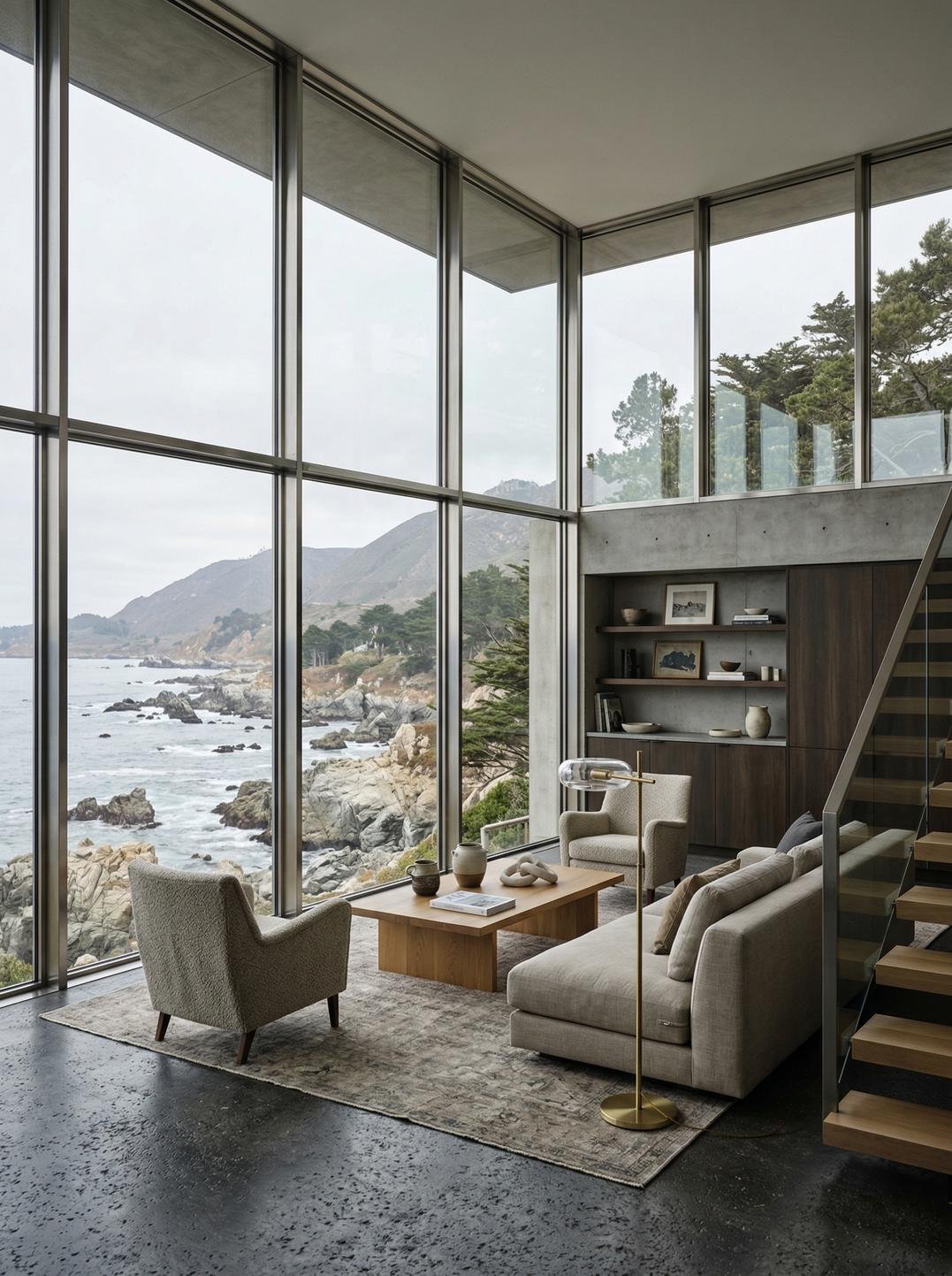
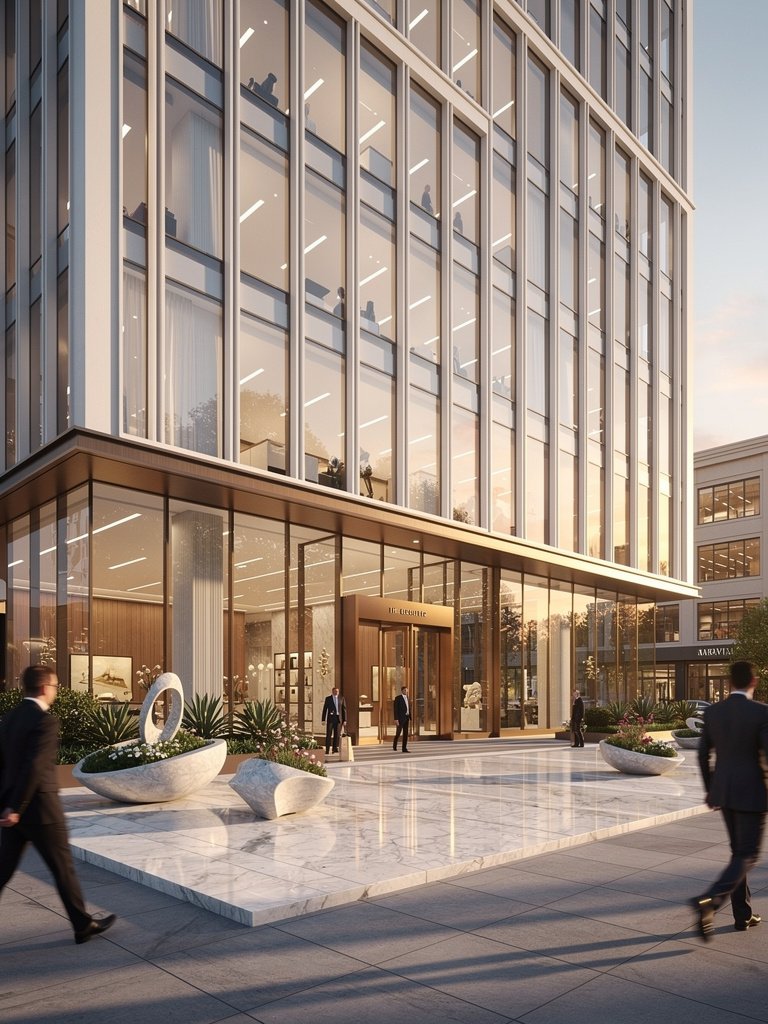
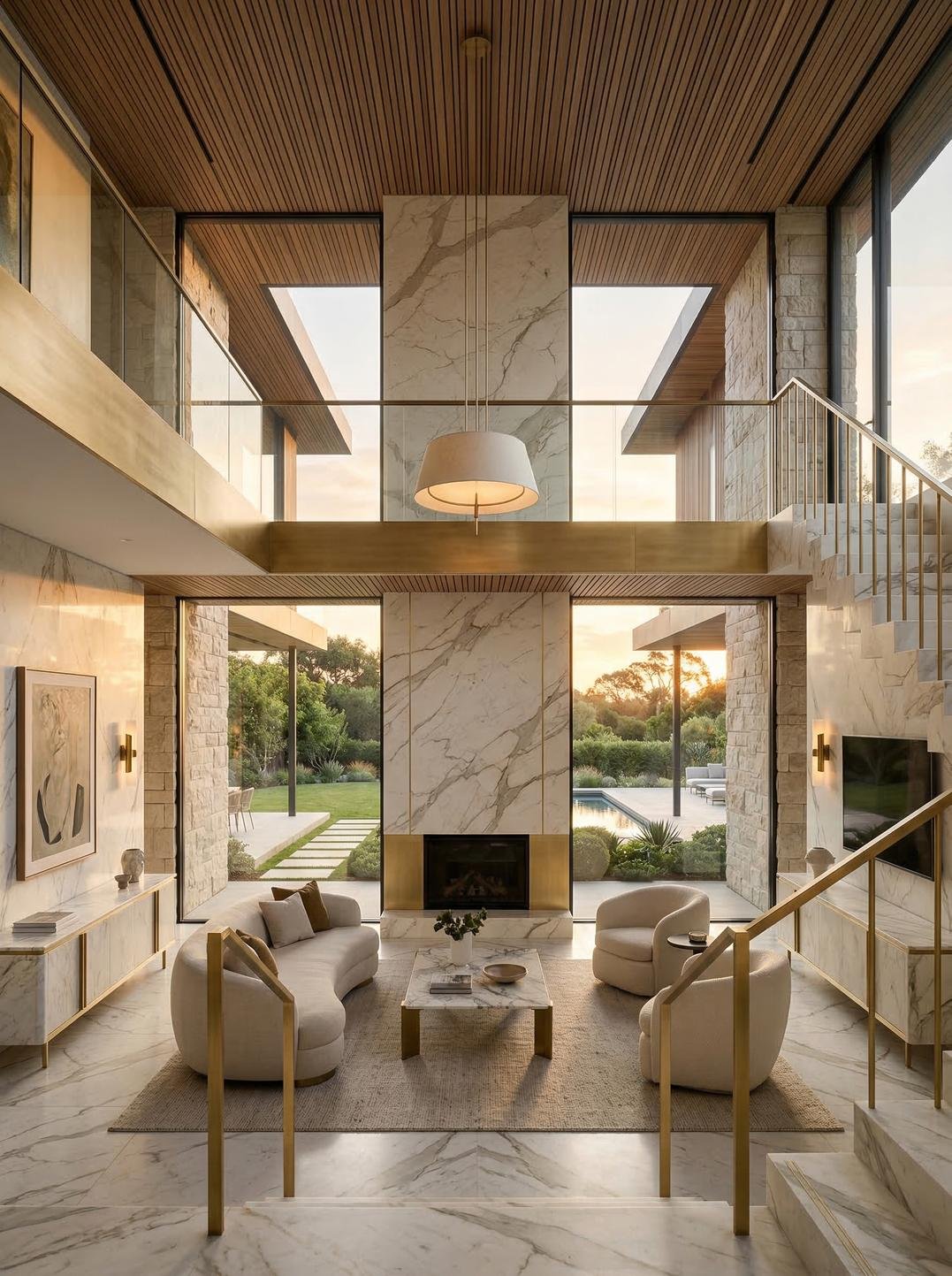
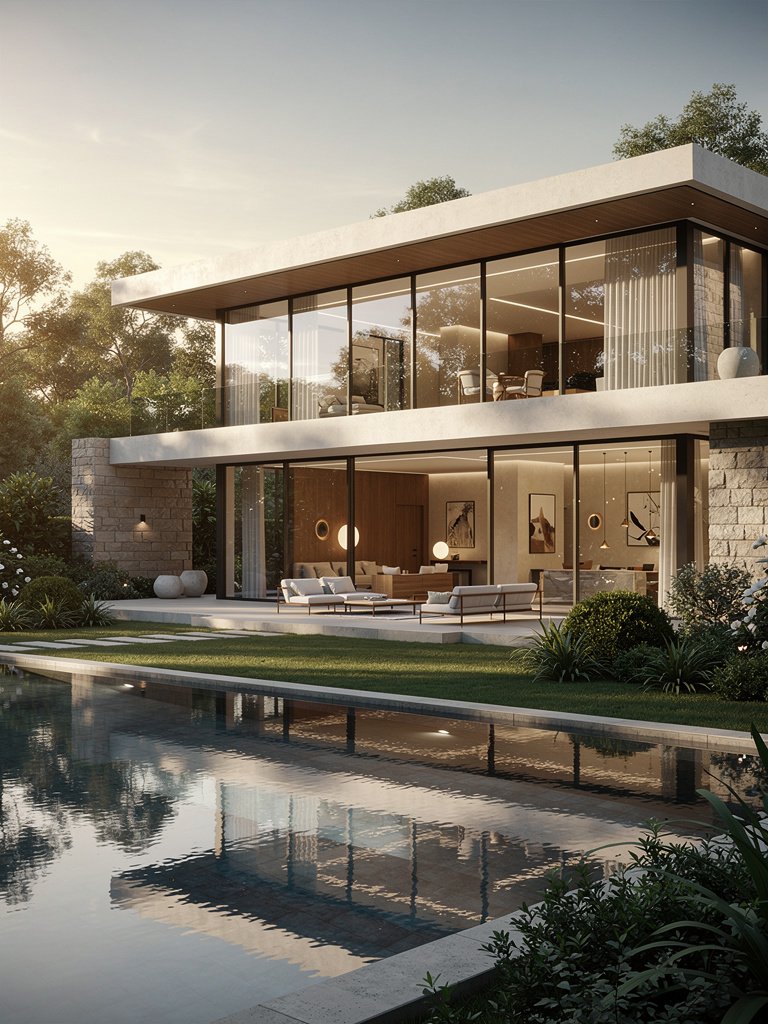
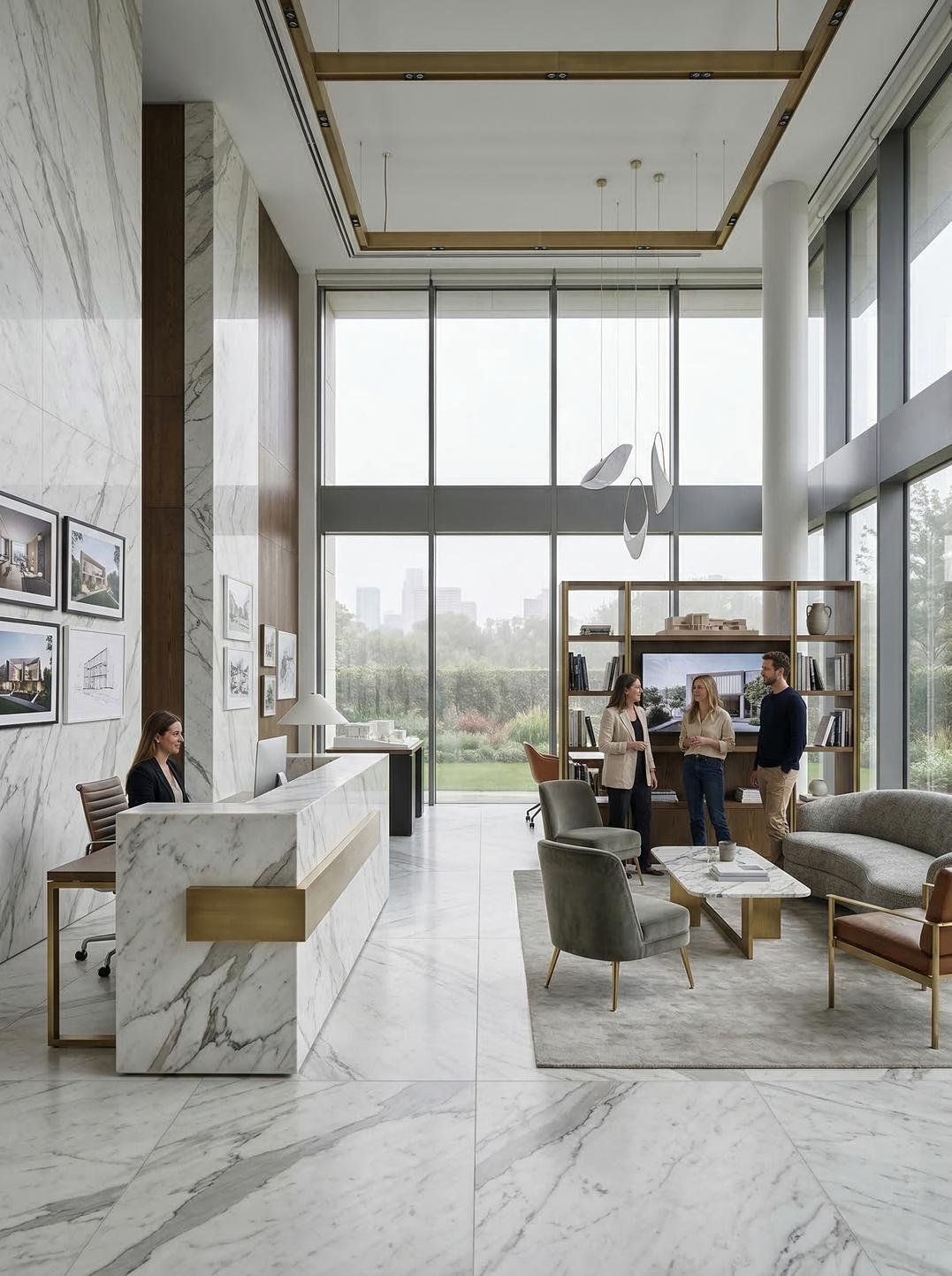
Building trust with sophisticated stakeholders requires an unwavering commitment to “Digital Twin” accuracy, where the integration of high-fidelity Hospitality Interior Rendering ensures that every visual detail is mathematically and aesthetically perfect for the final presentation. The way light interacts with a specific grade of Italian marble or how the sun hits a curtain wall at 4:00 PM in the specific geographic location of the project are critical details that define the project’s perceived luxury and market positioning. By simulating exact material properties—refraction, glossiness, and texture—through professional Hospitality Interior Rendering, architects can communicate the inherent durability of a development without a single word, effectively closing the “imagination gap” for non-technical partners. This extreme level of detail in a property investment presentation allows global investors to truly “feel” the quality of the finish and the tangible value of their potential capital expenditure, transforming a conceptual pitch into a low-risk financial opportunity. In the hospitality sector especially, the atmospheric lighting captured in Hospitality Interior Rendering creates the specific “vibe” that justifies premium ADR (Average Daily Rate) projections and de-risks the entire business model for future operators. Accurate global illumination within these renders helps stakeholders visualize the seamless transition from day to night, showcasing the project’s versatility and around-the-clock appeal to future guests, which ultimately accelerates the decision-making process for high-value B2B partners who demand both visual excellence and financial certainty before committing to a project.
Marketing & Sales Impact: Accelerating the ROI
The integration of 3D assets into a marketing strategy has a measurable impact on project velocity. Consider the lifecycle of a typical multi-family development:
- Pre-Construction Phase: Visuals allow for the launch of “coming soon” campaigns months before the first brick is laid.
- Stakeholder Approval: Visualizations simplify complex zoning or environmental integrations for local councils.
- Pre-Sales/Leasing: High-quality renders generate lead volumes that outperform standard 2D listings by up to 400%.
For developers, this means the cost of professional visualization is an investment that pays for itself through reduced carrying costs and shortened sales cycles. When a pitch deck tells a coherent visual narrative, it removes the friction of doubt, leading to faster term-sheet signatures and capital injections.
Common Pitfalls in Architectural Visualization
Despite the availability of 3D tools, many developers undermine their own 1 by falling into preventable traps:
- Prioritizing Cost Over Quality: Low-end “uncanny valley” renders can actually repel high-net-worth investors by making the project look cheap or poorly planned.
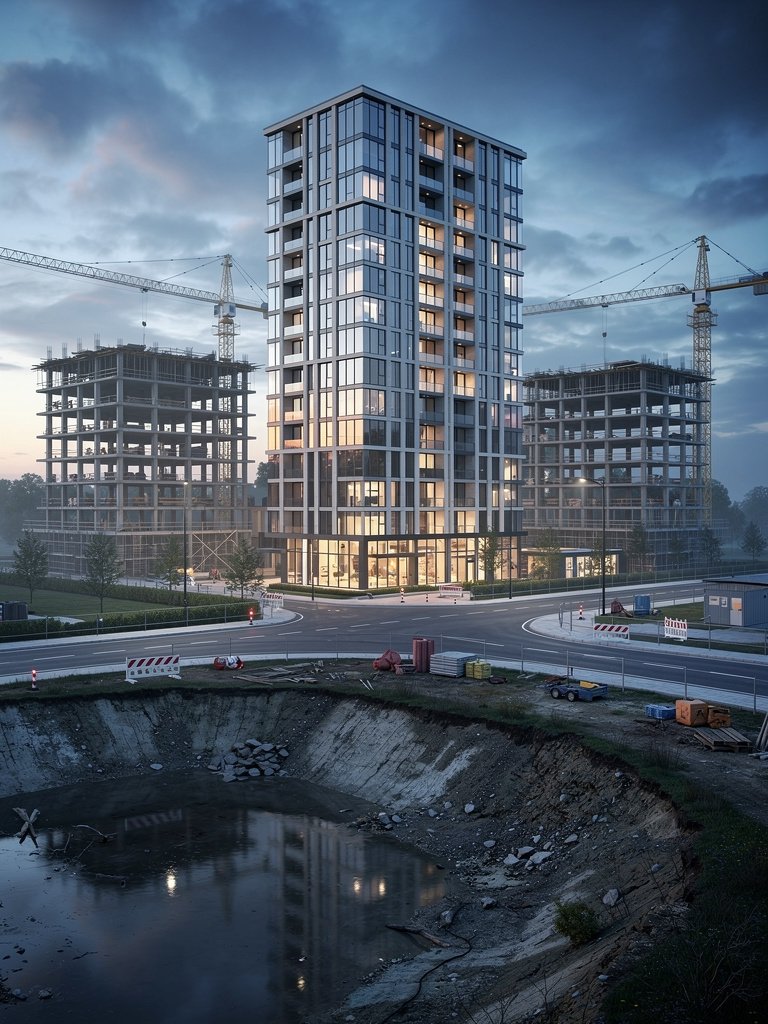
- Lack of Context: Renders that exist in a “white vacuum” fail to show how the building interacts with its environment. Investors want to see the skyline, the streetscape, and the neighborhood.
- Ignoring the Story: A render should not just show a room; it should show a life. Failing to include “lifestyle” elements—appropriate furniture, lighting, and foliage—makes the space feel cold and uninviting.
To protect your brand image, partner with a visualization firm that understands the business of real estate, not just the software of 3D art.
Future-Proofing Your Assets
One of the most significant advantages of creating high-quality 3D assets for a property investment presentation is their longevity. The same 3D model used for an initial pitch deck can be repurposed across the entire project lifecycle:
- Interactive VR Tours: Allowing remote investors to walkthrough the property from anywhere in the world.
- Cinematic Video Tours: High-definition sweeps of the exterior and interior for social media and television advertising.
- Print Collateral: Large-format signage for construction sites and high-gloss brochures for sales centers.
This versatility ensures that the initial expenditure on visualization continues to yield marketing value long after the initial round of funding is secured.
Conclusion
In an era defined by visual consumption and digital-first interactions, the quality of your presentation is synonymous with the quality of your project. A compelling 1 needs more than numbers. See how integrating high-quality 3D visuals secures investor funding by providing the clarity, detail, and emotional resonance required to close the deal.
Whether you are seeking institutional backing for a new resort or residential pre-sales for a luxury high-rise, your visuals are your strongest advocates. Are you ready to elevate your next project? Browse our Portfolio to see how we help developers win, or contact our team today for a tailored quote on your next architectural visualization project.
FAQs
What is the typical turnaround time for high-quality 3D renders?
For most commercial projects, the timeline ranges from 2 to 4 weeks, depending on the complexity of the architecture and the number of revisions.
How does the cost of 3D rendering compare to traditional photography?
While the initial investment in 3D rendering can be higher than a day of photography, it is significantly more cost-effective for unbuilt properties. It allows for “photography” of a building that doesn’t exist yet, enabling sales and funding before construction begins.
What files do we need to provide to start the visualization process?
To ensure technical accuracy, we typically require CAD files, Revit models, or detailed PDF blueprints, along with a schedule of materials (finishes) and landscape plans.
Can 3D assets be used for zoning and city council meetings?
Absolutely. Photomontages (placing the 3D model into a real photograph of the site) are the industry standard for demonstrating a project’s impact on its environment to local authorities.
“An absolutely excellent 3D team that I genuinely enjoy working with – always attentive, responsive, and open to adjustments. Communication is seamless and the results consistently meet our expectations. A trusted partner I recommend without hesitation.”
— Sofia Bouziane ★★★★★ · Google review