
In the high-stakes world of property development, the gap between architectural intent and investor buy-in is often defined by visual clarity. Abstract blueprints and 2D elevations no longer suffice when securing eight-figure funding or pre-leasing competitive office spaces. Today’s stakeholders demand an immersive, photorealistic preview of the future. This is where high-quality Commercial real estate 3D visualization becomes a pivotal asset in the B2B sales cycle. By transforming raw CAD data into emotive visual experiences, developers can mitigate risk, accelerate decision-making, and significantly shorten the time to market. For architects and developers alike, mastering this visual language is no longer optional—it is a strategic necessity for maximizing asset value.
Table of Contents
1. Maximizing Value with Commercial Real Estate 3D Visualization
The primary objective of any development marketing campaign is to establish value before the physical structure exists. Professional Commercial real estate 3D visualization serves as the cornerstone of this value proposition. It allows prospective tenants and investors to look past the construction dust and envision their future ROI. By presenting a polished, hyper-realistic digital twin of the project, you are selling a vision rather than a promise.
In the context of leasing, first impressions are financial anchors. A generic presentation can lead to hesitation, while a bespoke visual strategy creates urgency. Developers who leverage Commercial real estate 3D visualization often see a tangible reduction in vacancy rates prior to completion. This technology allows marketing teams to stage office floors, retail spaces, and amenities virtually, tailoring the aesthetic to specific anchor tenants.
Furthermore, integrating Commercial real estate rendering into your early-stage pitch decks demonstrates technical competence and financial seriousness. It signals to partners that every angle of the project has been scrutinized, not just for structural integrity, but for aesthetic and functional appeal.
2. The Workflow Behind Premium Commercial Real Estate 3D Visualization
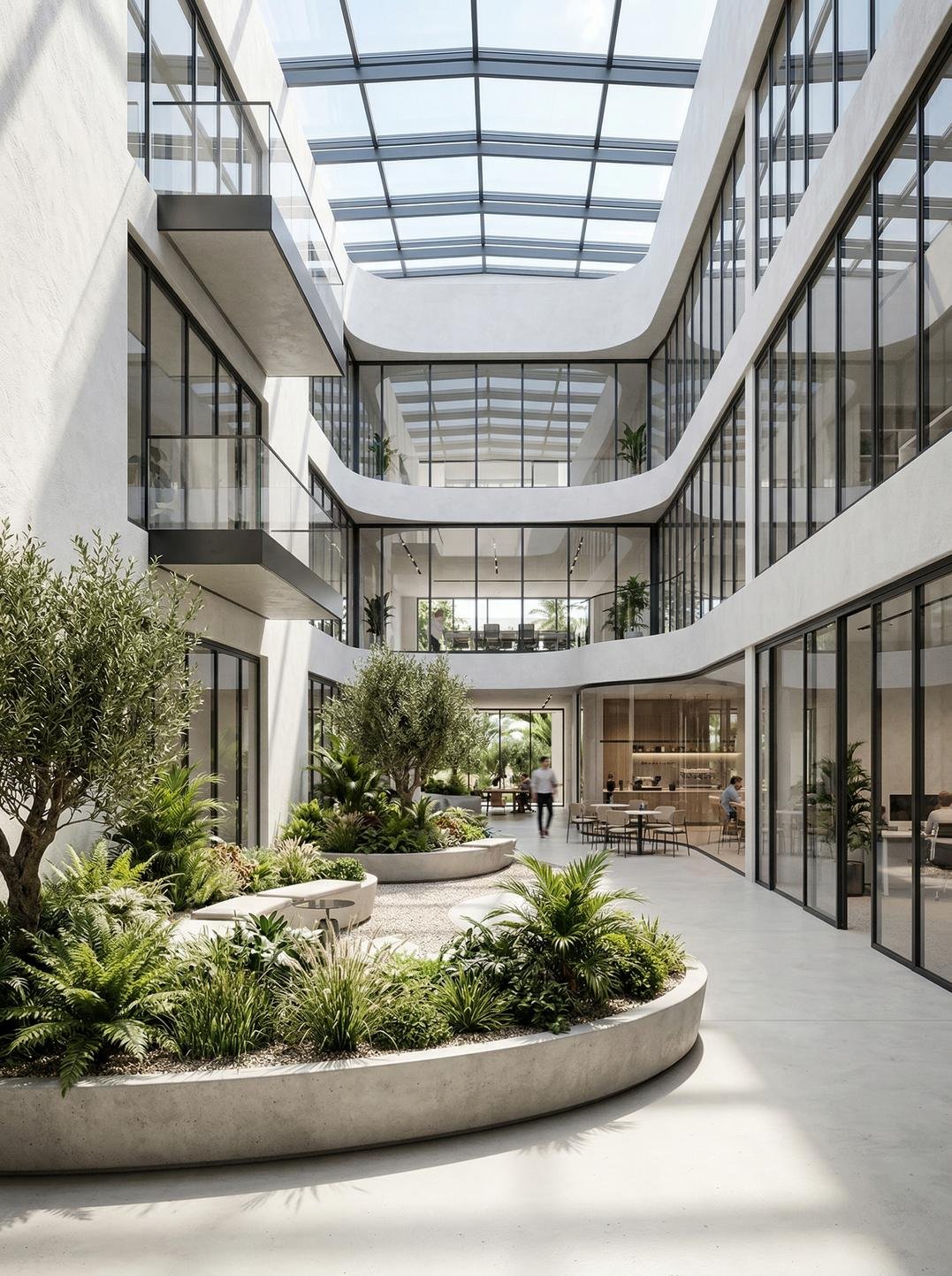
Understanding the technical workflow is essential for developers who want to manage their timelines and budgets effectively. Producing top-tier Commercial real estate 3D visualization is a multi-layered process that blends architectural precision with artistic lighting and composition. It begins with the grey-boxing phase, where the geometry is established, ensuring that the scale and spatial relationships are accurate to the architectural drawings.
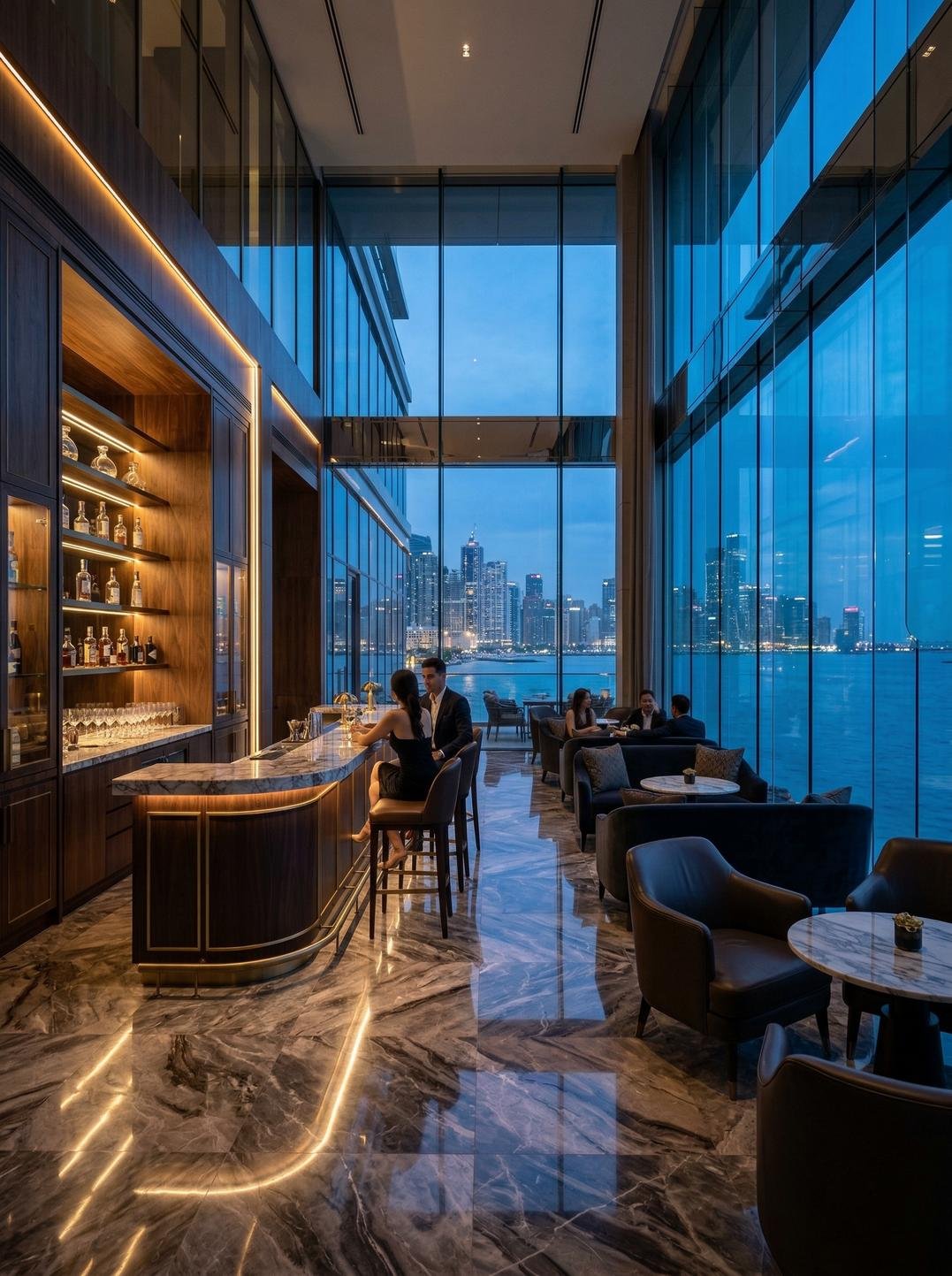
Once the geometry is approved, the process moves to texturing and lighting. This is where the atmosphere is crafted. For a B2B audience, lighting must do more than look pretty; it must direct the eye to key selling points—whether that is the expansive lobby height or the natural light flooding a co-working area. This stage relies heavily on high-fidelity Commercial real estate rendering techniques to simulate real-world physics, reflection, and refraction.
The final stage is post-production, where the render is composited with lifestyle elements. Adding people, landscaping, and context transforms a sterile model into a vibrant environment. Throughout this workflow, the collaboration between the architect and the visualization studio is critical to ensuring the final Commercial real estate 3D visualization aligns with the project’s brand identity.
3. Integrating Commercial Real Estate 3D Visualization in Marketing
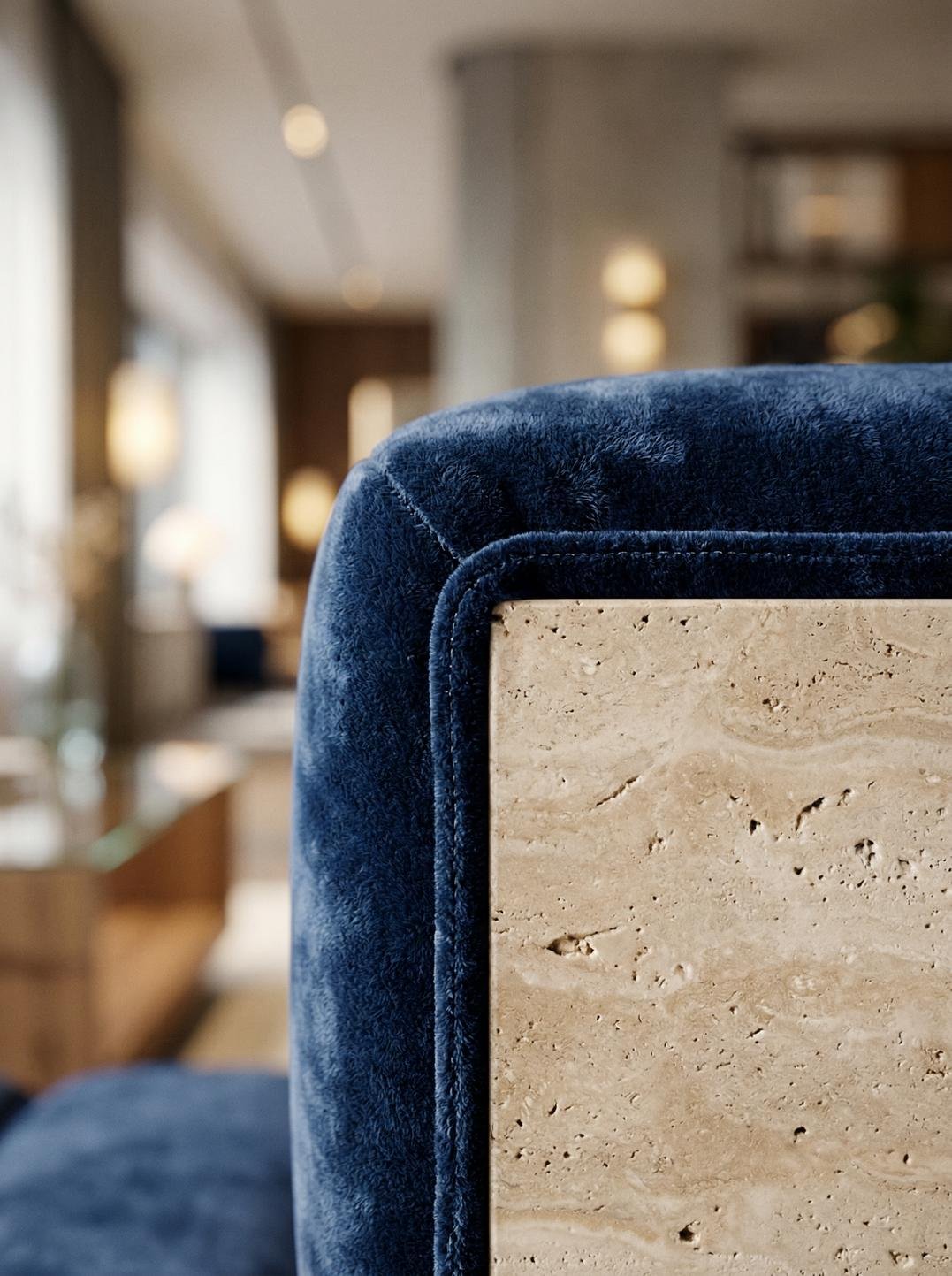
Successful execution of a visualization strategy requires more than just possessing high-quality images; it requires strategic deployment across multiple B2B touchpoints. Leading developers utilize Commercial real estate 3D visualization to anchor their digital and physical marketing suites. In an era where remote presentations are standard, having a virtual tour or a set of 360-degree panoramas can keep a deal moving forward without a site visit.
For mixed-use developments, it is crucial to segment your visualizations. You need specific renders that appeal to retail investors (focusing on foot traffic flows and frontage) and different sets for corporate tenants (focusing on floor plate efficiency and amenities). A “one-size-fits-all” approach rarely works in B2B.
Moreover, consistency is key. Your brochure renders must match your video walkthroughs and your VR experiences. When a potential investor sees a seamless narrative across all media, confidence in the project grows. Utilizing advanced Commercial real estate rendering ensures that materials, lighting, and mood remain consistent, reinforcing the brand message that the development is premium, thoughtful, and ready for business.
4. Avoiding Pitfalls in Commercial Real Estate 3D Visualization

Despite its power, there are common mistakes that can undermine the effectiveness of Commercial real estate 3D visualization. One frequent error is prioritizing artistic flair over architectural accuracy. While a moody, sunset render might look artistic, it may obscure critical functional details that a facilities manager or commercial tenant needs to see. In B2B marketing, clarity often trumps drama.
Another pitfall is neglecting the surrounding context. A gleaming tower placed in a grey void feels disconnected and risky. High-quality Commercial real estate rendering should always incorporate accurate neighboring buildings, streets, and infrastructure. This contextual grounding proves to the buyer that the development fits organically into the urban fabric.
Finally, failing to tailor the styling to the target demographic is a missed opportunity. If you are selling to a tech giant, the interior visualization should reflect agility, open spaces, and modern materials. If the target is a law firm, the focus should be on privacy, prestige, and classic materials. Using generic assets in your Commercial real estate 3D visualization can make a premium project look like a commodity, potentially lowering the perceived price per square foot.
5. Conclusion
The landscape of property development is shifting towards a digital-first approach. Commercial real estate 3D visualization is no longer just a supplementary marketing cost; it is a fundamental investment in the sales velocity of a project. From the initial conceptualization to the final leasing agreement, these visual assets bridge the gap between imagination and reality.
By leveraging professional Commercial real estate rendering, developers can communicate complex spatial ideas instantly, reduce investor hesitation, and secure pre-leases at higher rates. To truly stand out in a crowded market, your visual narrative must be as robust as your foundation.
Ready to elevate your property marketing? Partner with Arkilex to transform your architectural plans into compelling visual stories that sell.
6. FAQs
What is the typical turnaround time for Commercial real estate 3D visualization?
Turnaround times vary based on project complexity. A standard exterior still image may take 5-7 business days, while a comprehensive animation or a full suite of interior and exterior visualizations can take 3-5 weeks. B2B projects often require iterative feedback loops to ensure architectural accuracy.
How does Commercial real estate rendering differ from standard architectural visualization?
While the terms are often used interchangeably, rendering specifically refers to the computational process of generating the image from a model. Commercial real estate rendering focuses heavily on marketing psychology, emphasizing ROI-generating features like retail frontage, lobby grandeur, and floor plate efficiency, rather than just structural data.
What files do developers need to provide to start a 3D visualization project?
To ensure the highest accuracy for your Commercial real estate 3D visualization, studios typically require CAD drawings (DWG), 3D models (Revit/SketchUp if available), material schedules, landscape plans, and a mood board indicating the desired lighting and atmosphere for the marketing materials.
Can 3D visualization be used for Virtual Reality (VR) tours?
Yes, modern visualization pipelines are fully compatible with VR. High-poly assets used for static rendering can be optimized for real-time engines like Unreal Engine, allowing prospective tenants to walk through the space using a headset. This is increasingly popular for high-value commercial leasing.