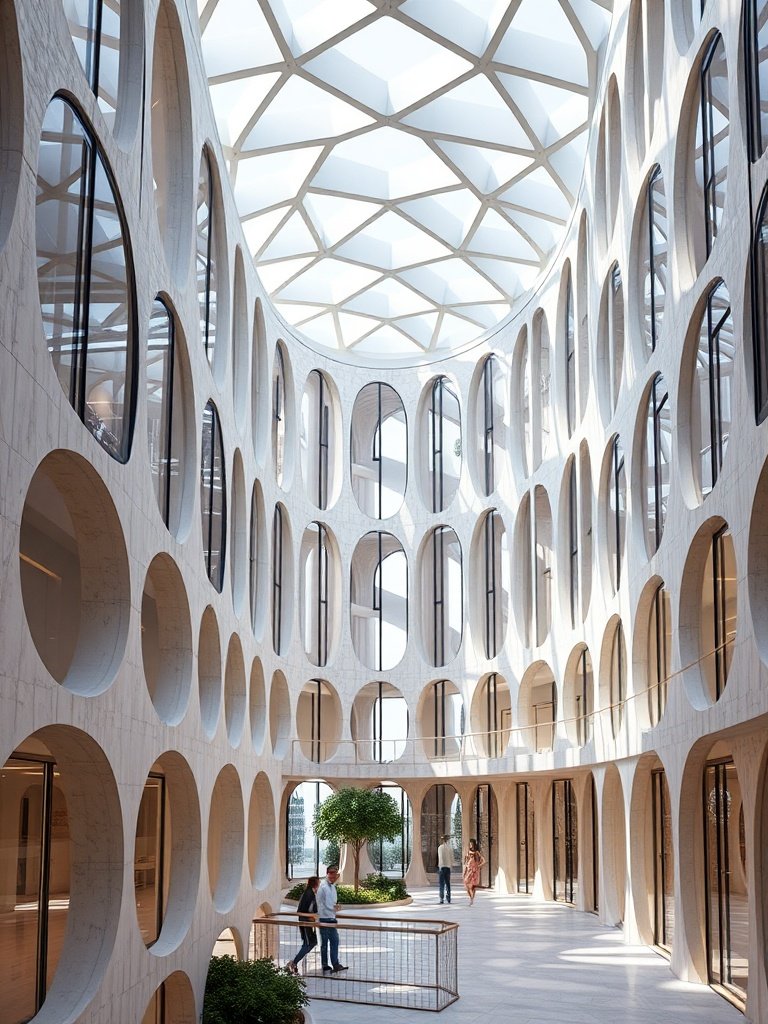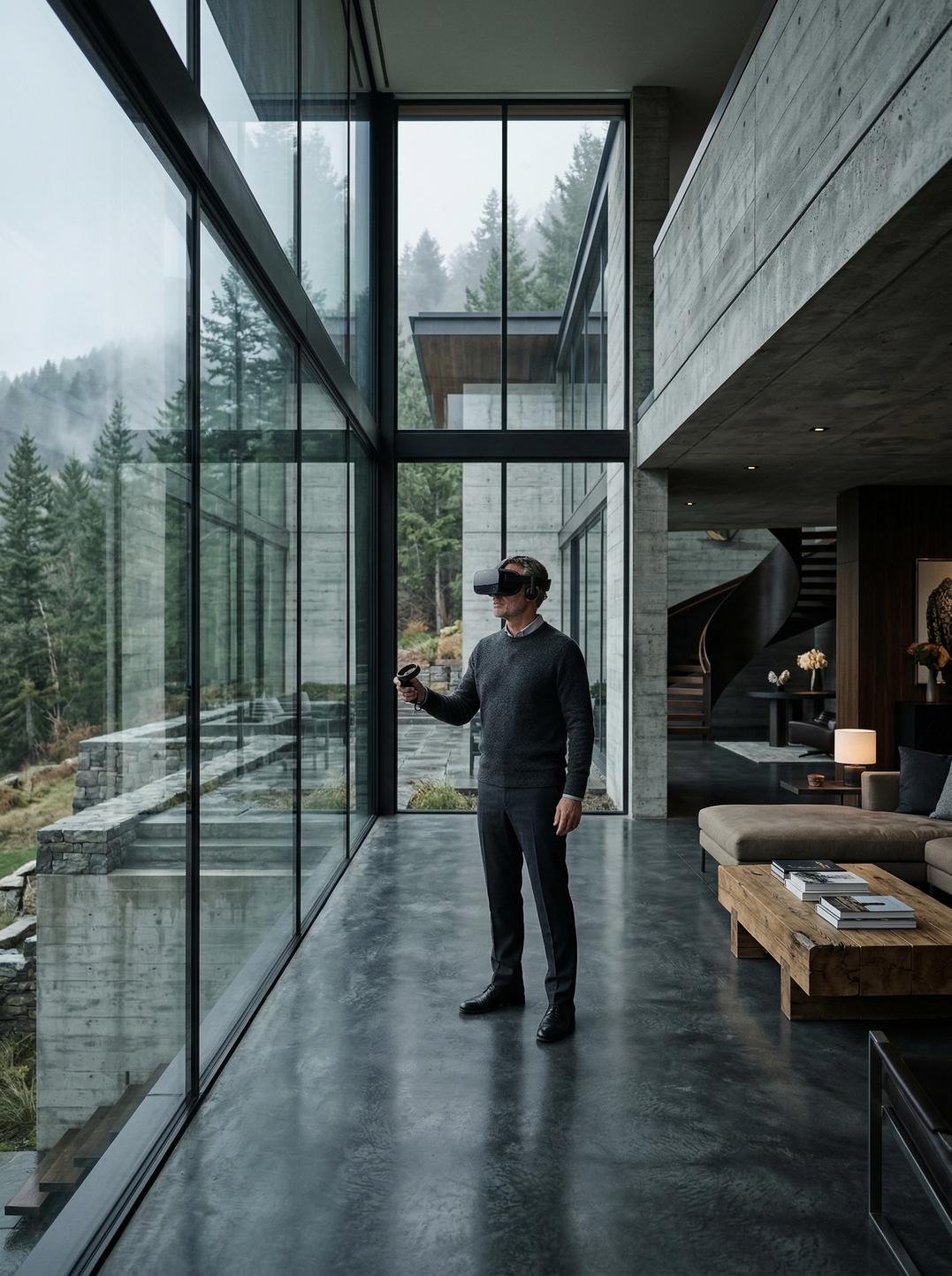

Hotel 3D rendering services: In the high-stakes world of commercial real estate development, the ability to sell a vision before ground is broken is the difference between a funded project and a stalled concept. For developers, architects, and interior designers, the visual narrative is not merely an aesthetic choice; it is a critical financial instrument. In the hospitality sector, where atmosphere and guest experience are paramount, static blueprints fail to convey the emotional allure of a luxury destination.
This is where high-fidelity visualization bridges the gap. By utilizing advanced digital modeling, stakeholders can perceive the texture of the linens, the warmth of the lighting, and the flow of the lobby long before construction begins. Effective usage of Hotel 3D rendering services allows developers to mitigate risk, align stakeholder expectations, and secure early capital. In an industry driven by perception, photorealistic imagery serves as the ultimate proof of concept, ensuring that the architectural intent translates seamlessly into a marketable asset that resonates with sophisticated investors and future guests alike.
Table of Contents
1. ROI and the Financial Impact of High-End Visualization
The return on investment (ROI) regarding architectural visualization in the hospitality sector is measurable and significant. For B2B stakeholders, the primary utility of these assets lies in their ability to accelerate the sales cycle and secure financing. Lenders and institutional investors require more than spreadsheets; they demand tangible evidence of the project’s viability and aesthetic appeal.
A high-quality 3D walkthrough or exterior rendering acts as a powerful de-risking tool. It validates the design intent, ensuring that the proposed material palettes and spatial configurations translate effectively from the architect’s mind to the guest’s experience. Furthermore, these assets form the backbone of pre-launch marketing campaigns. Luxury hotel brands often pre-sell memberships or secure operator contracts based entirely on the strength of visual assets. By investing in Hospitality architectural visualization, developers can command higher valuation estimates and generate buzz that translates into early bookings, significantly shortening the time to positive cash flow once the property opens.
2. The Technical Workflow Behind Photorealism
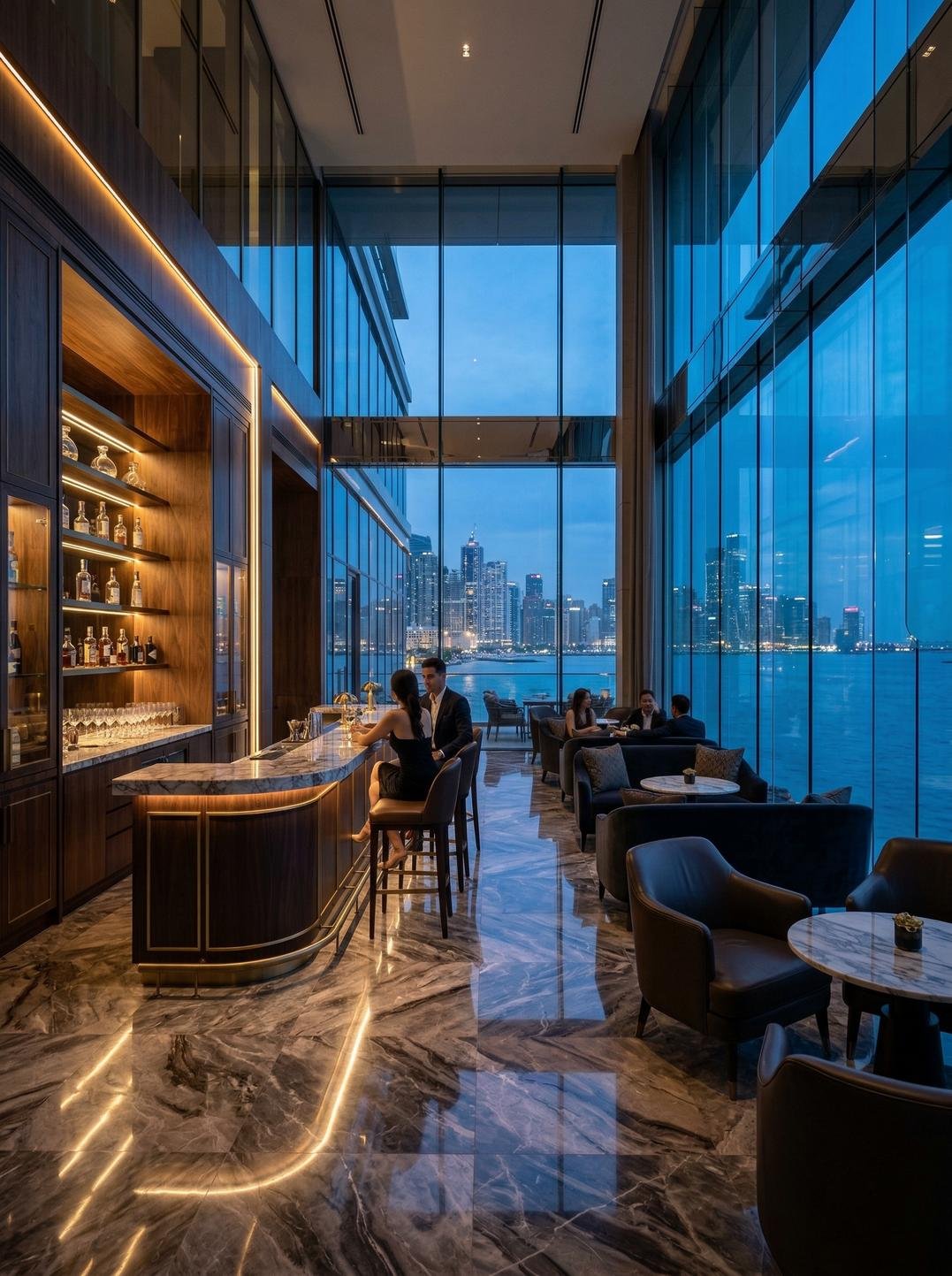
Creating a persuasive visual asset is a rigorous technical process that requires close collaboration between the design team and visualization specialists. It begins with the precise ingestion of CAD files and BIM models, but the geometry is only the canvas. The true value is added during the texturing and lighting phases, where the physical properties of materials are simulated to react realistically to environmental conditions.
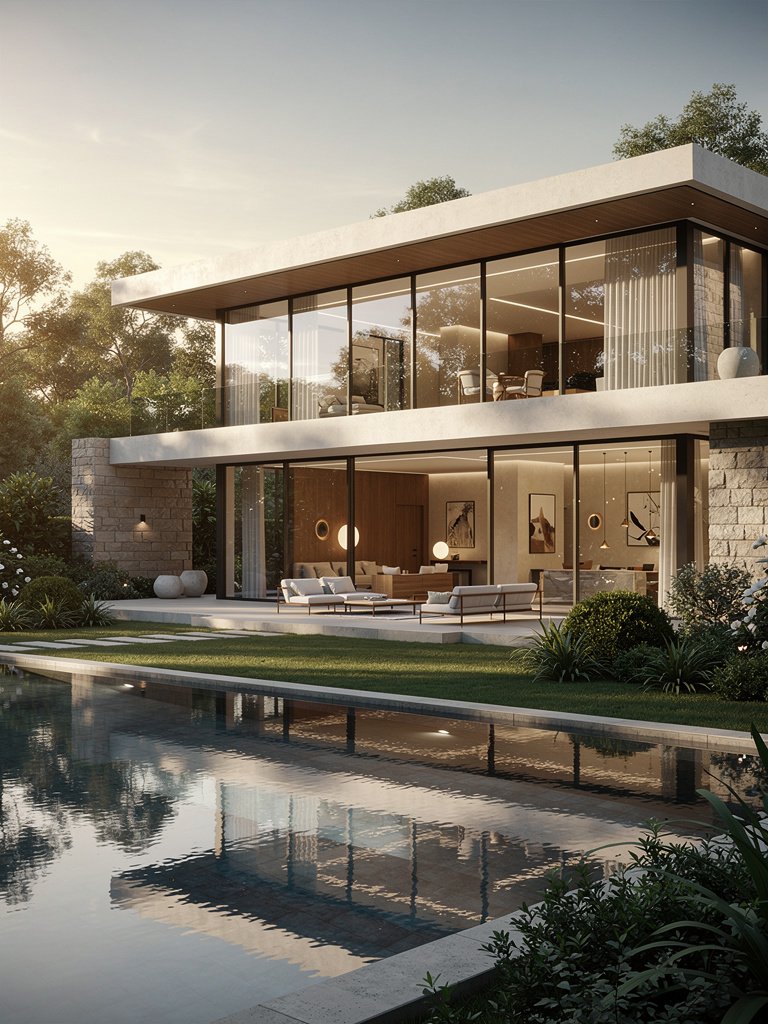
For a hotel project, the “mood” is engineered through virtual lighting. Whether it is the golden hour glow hitting a resort infinity pool or the moody, ambient lighting of a speakeasy bar, these elements dictate the emotional response of the viewer. This phase involves complex computation to calculate light bounce, refraction, and shadow softness. To achieve the highest standard, developers should seek out Hotel 3D rendering services that prioritize physically based rendering (PBR) workflows. This ensures that wood looks like wood, marble reflects correctly, and fabrics possess the correct tactile weight, creating an image indistinguishable from a photograph.
3. Professional Execution and Brand Alignment

Top-tier developers understand that a rendering is not just a picture of a building; it is a strategic brand asset. The execution of these visuals must align strictly with the brand guidelines and the target demographic of the hospitality project. A boutique lifestyle hotel requires a different visual language than a large-scale convention center hotel.
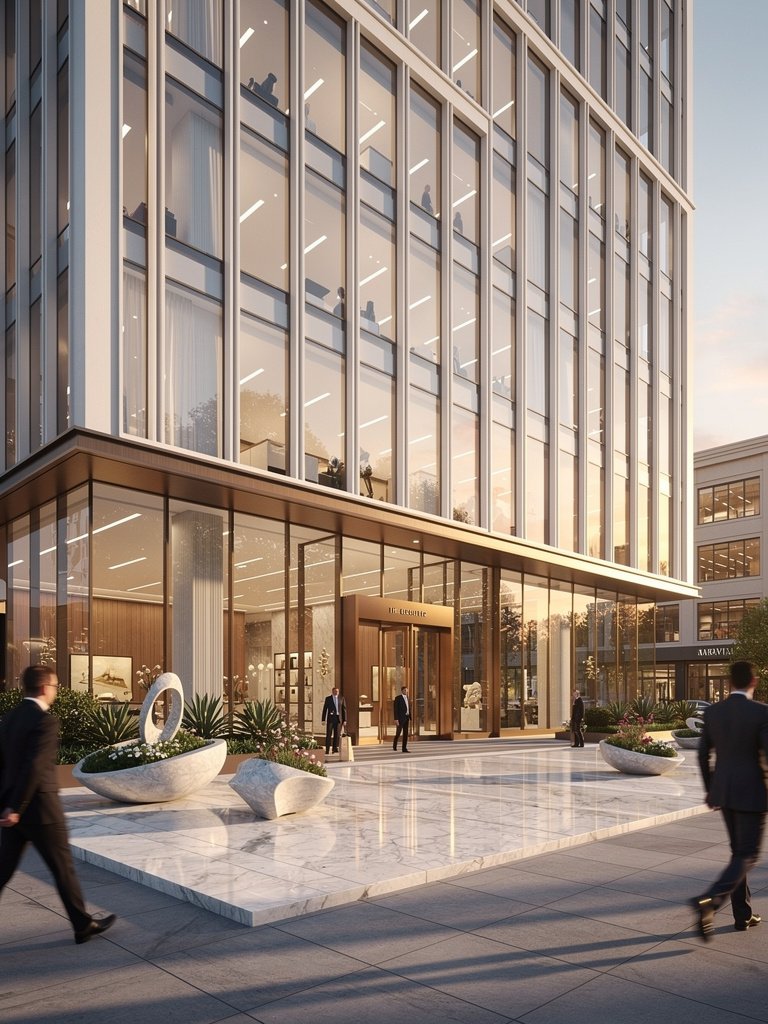
Professional execution involves “lifestyle integration.” This means populating the scenes with 3D people (entourage) that match the target market’s demographic, dressing the spaces with appropriate props, and curating the environment to tell a specific story. It is about selling the experience of being there. When utilizing Hospitality architectural visualization, the goal is to create a desire so strong that the viewer feels they have already arrived. This level of execution requires a visualization partner who understands interior design trends, photography composition, and marketing psychology, ensuring the final output serves the broader business objectives of the development.
4. Navigating Pitfalls in Hospitality Rendering
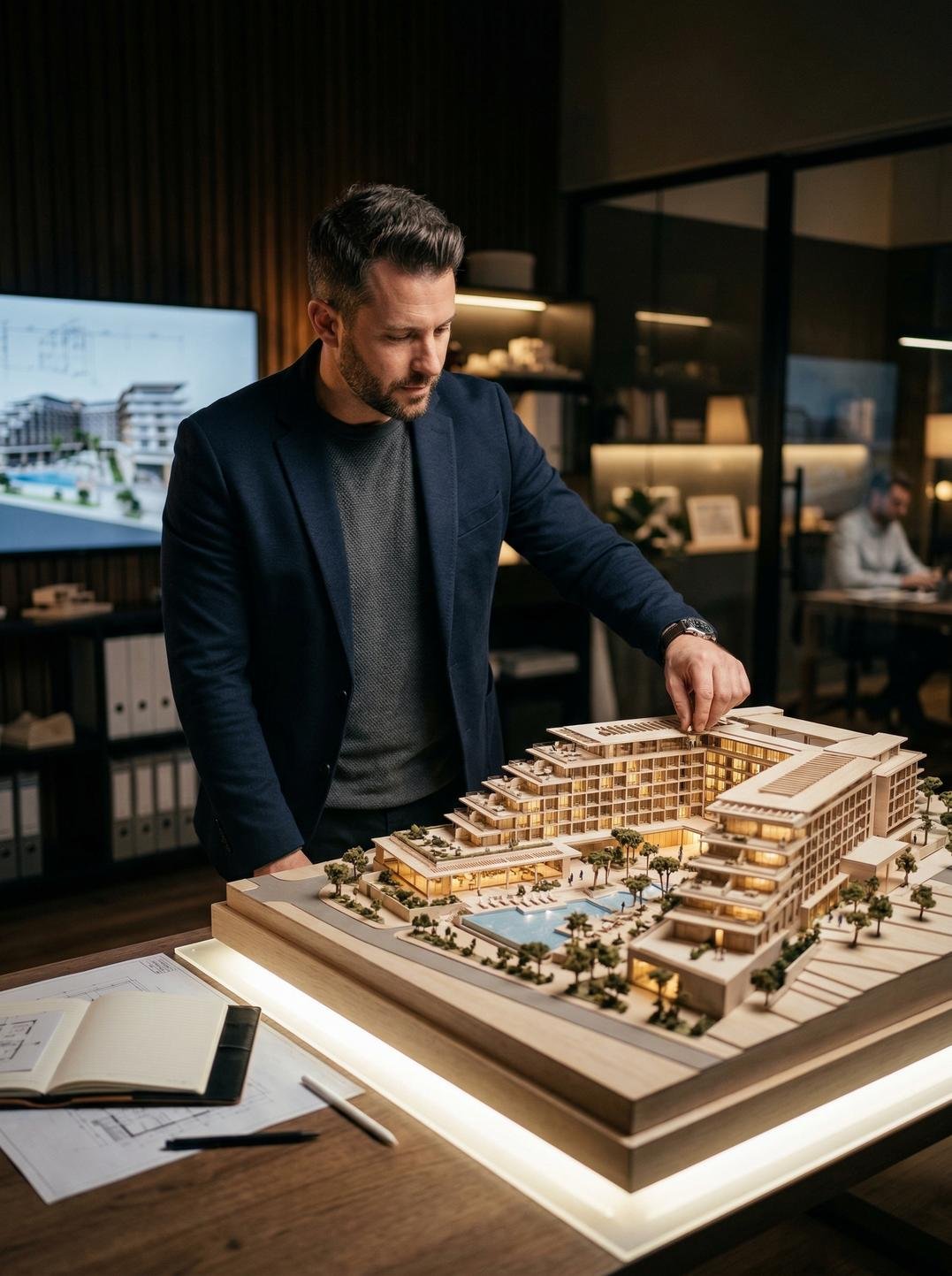
Despite the technology’s power, errors in the visualization process can damage a project’s credibility. One common pitfall is poor scaling and texture tiling, where materials look repetitive or furniture appears disproportionate to the room size. In the luxury sector, these subtle “tells” scream artificiality and can make investors question the attention to detail in the actual construction.
Another frequent issue is “perfect imperfection.” Novice renderers create spaces that are too sterile and clean, lacking the lived-in nuance that makes a space inviting. A hotel room should look pristine but welcoming, not like a sterile laboratory. Furthermore, neglecting the exterior environment is a critical error. A resort rendered with generic foliage rather than indigenous plant life can mislead stakeholders and break immersion. To avoid these issues, developers must prioritize Hotel 3D rendering services that employ artists with architectural backgrounds who understand construction detailing and botanical accuracy, ensuring the visual promise matches the future reality.
5. Conclusion
In the competitive landscape of hospitality development, the quality of your visual collateral is directly proportional to investor confidence and market anticipation. From securing zoning approvals to finalizing operator agreements, photorealistic imagery is the currency of modern real estate. By prioritizing high-fidelity Hospitality architectural visualization, developers do not just show a building; they sell a future revenue stream and a compelling guest experience.
For developers and architects seeking to elevate their project presentations, Arkilex offers the expertise required to turn blueprints into breathtaking reality. Investing in superior visualization is not an optional expense; it is a strategic necessity for maximizing property value.
6. FAQs
What is the typical turnaround time for high-end hotel renderings?
Turnaround times vary based on complexity, but a high-end interior usually takes 5-7 business days, while complex exteriors may take 10-14 days. Expedited delivery is often available but may impact the budget. Clear CAD files accelerate the process significantly.
How much do professional hospitality 3D rendering services cost?
Costs depend on project scale and resolution requirements. Generally, high-quality still images range from $1,500 to $4,000 per view. Animations and virtual reality tours are priced per second or per square foot and require custom quoting.
What files do I need to provide to the visualization studio?
To ensure accuracy, provide the 3D model (Revit, SketchUp, Rhino) or 2D CAD plans, elevations, and sections. Additionally, a detailed FF&E (Furniture, Fixtures, and Equipment) schedule and material mood boards are essential for photorealism.
Can 3D renderings help with zoning and planning permission?
Yes. Accurate visualizations are crucial for municipal presentations. They demonstrate how the proposed hotel integrates with the existing skyline and neighborhood context, often alleviating community concerns regarding height, shadow, and aesthetic impact.