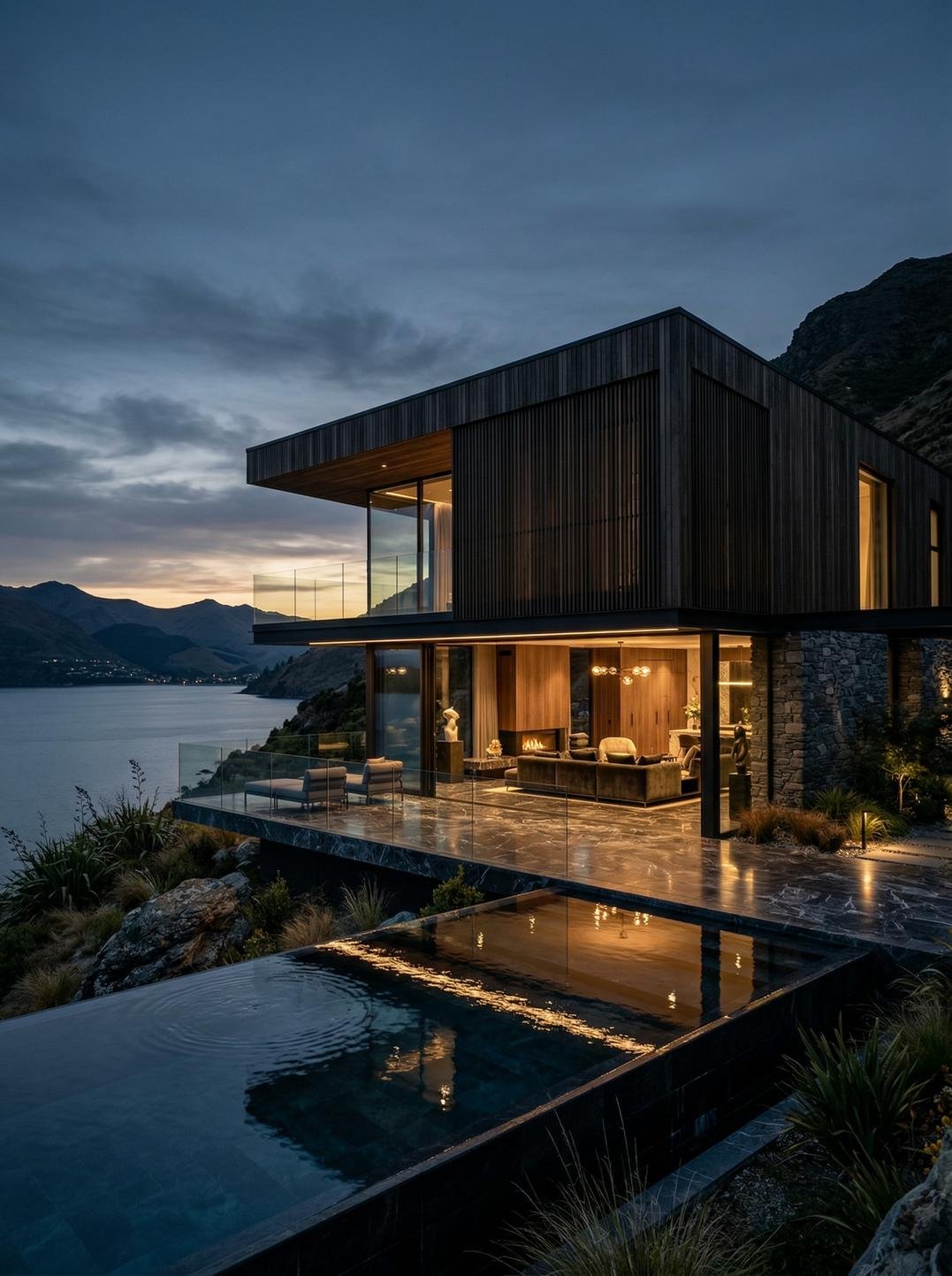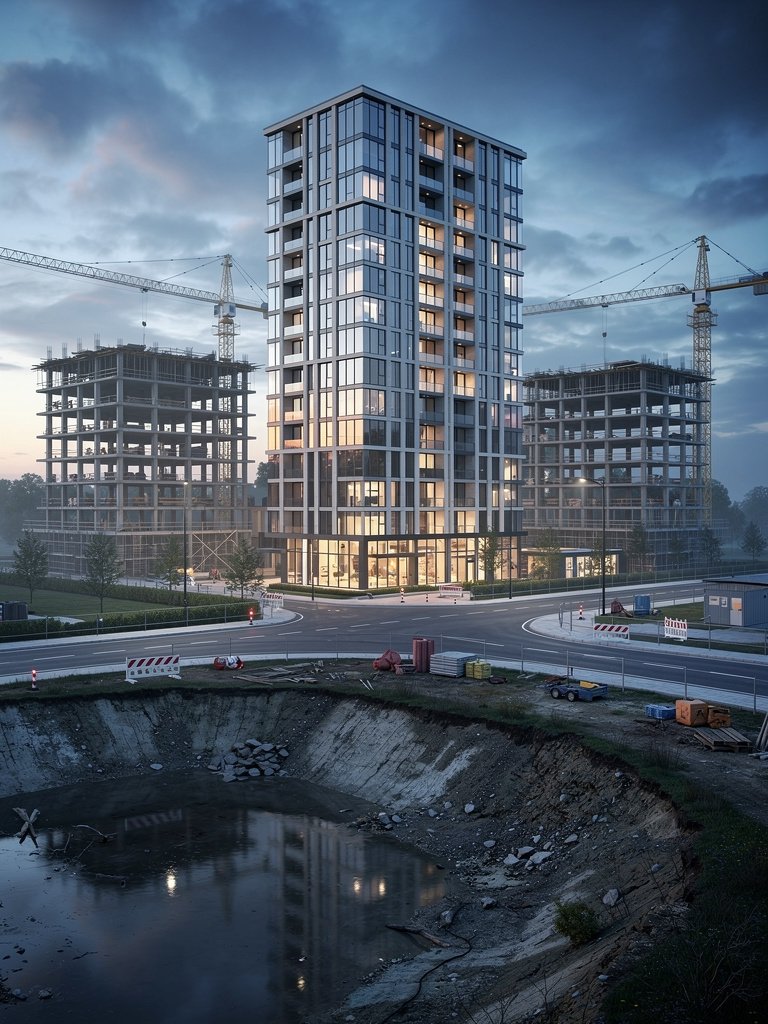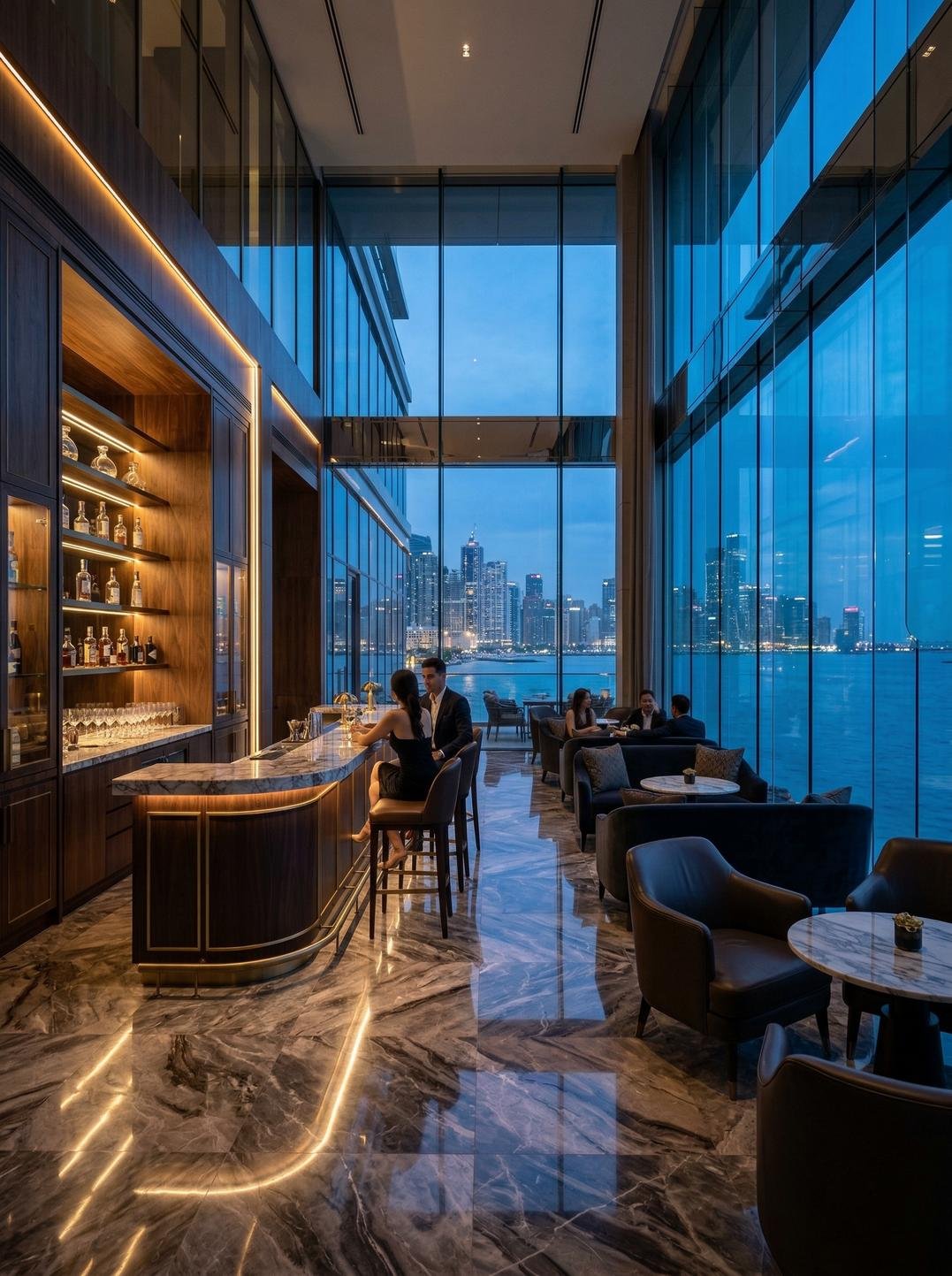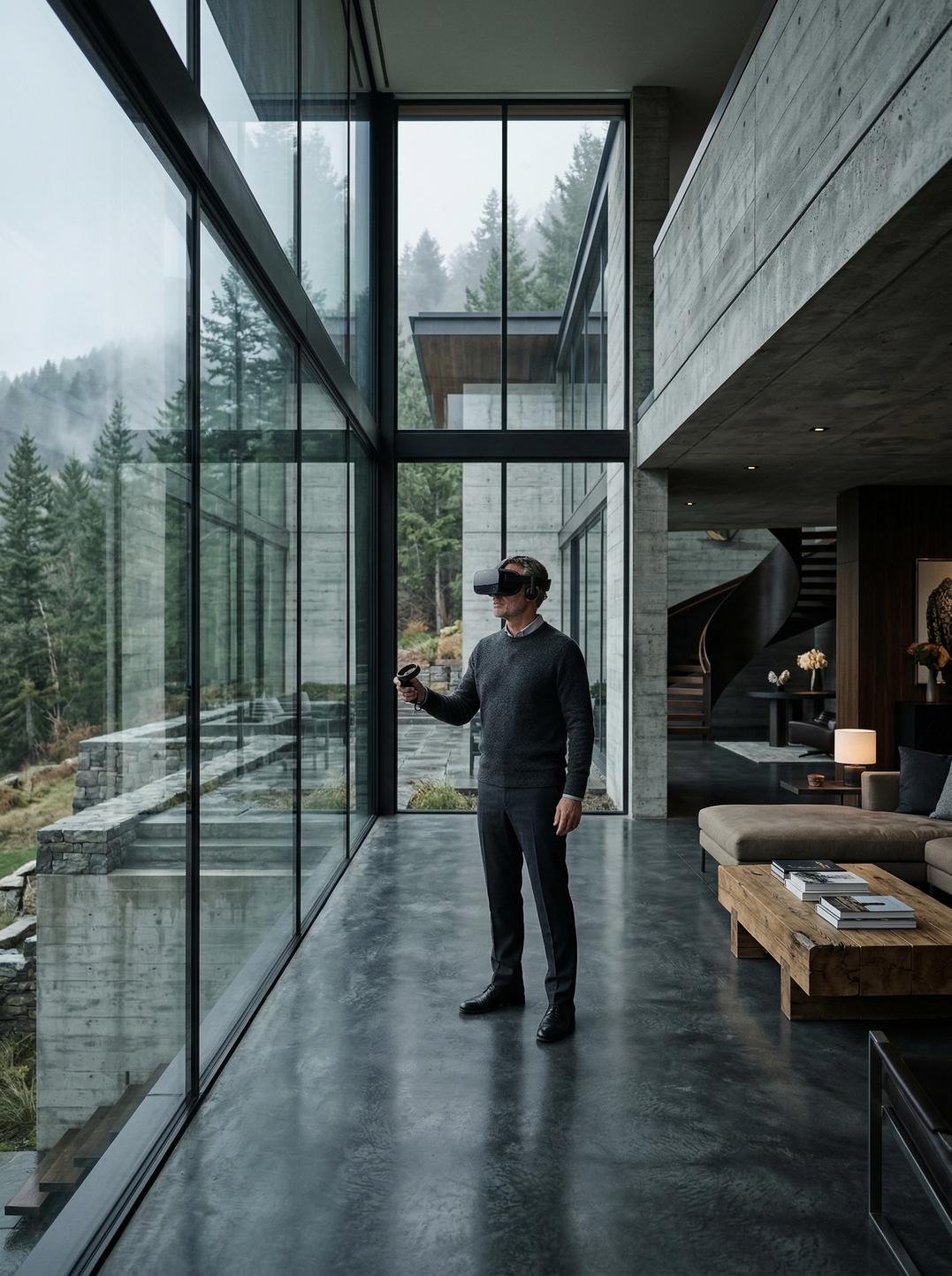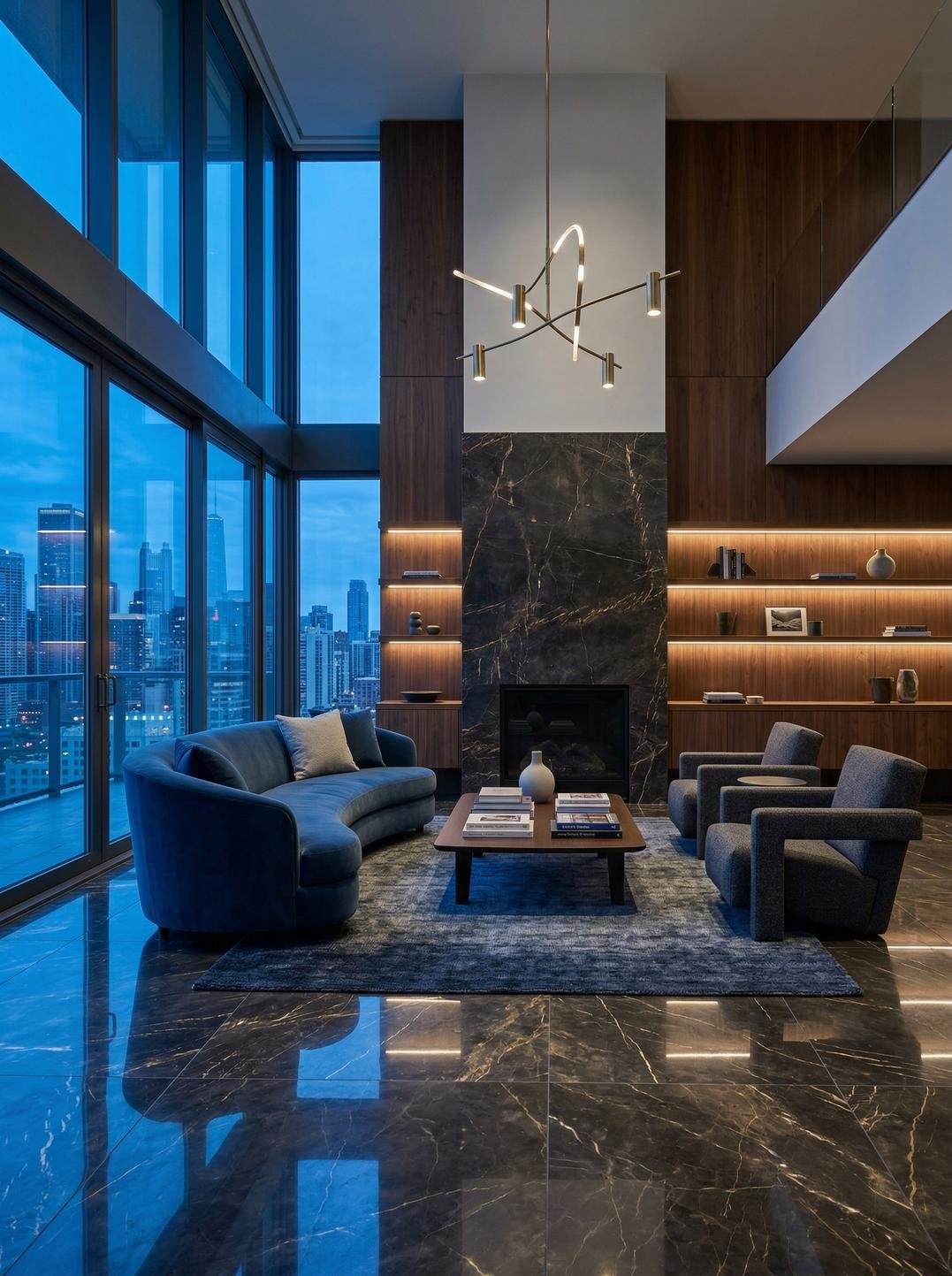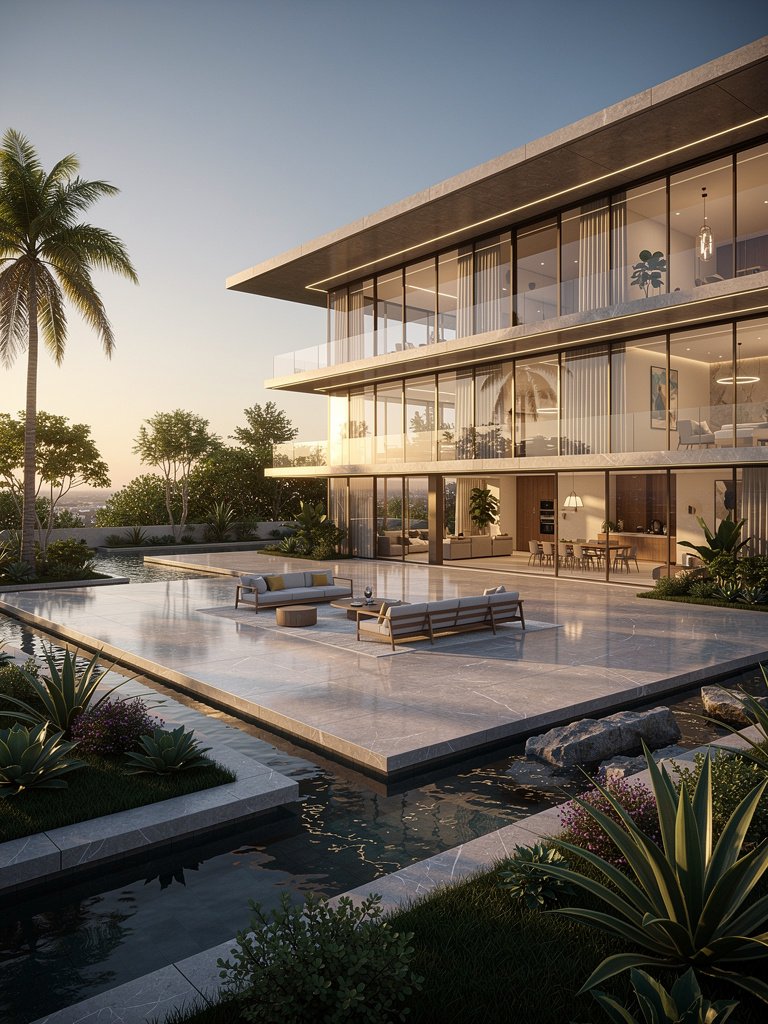

In the competitive landscape of real estate development, static imagery is no longer sufficient to captivate sophisticated investors or luxury homebuyers. To truly differentiate a project before the ground is even broken, developers and architects must leverage tools that evoke emotion and convey narrative depth. High-end 3D architectural animation serves as this critical bridge, transforming abstract blueprints into immersive, living environments. It allows stakeholders to experience the flow, lighting, and atmosphere of a space, effectively shortening the sales cycle and validating premium price points.
For marketing directors and architectural firms, integrating high-end 3D architectural animation into the promotional strategy is not merely an aesthetic choice; it is a calculated financial decision. By presenting a photorealistic walkthrough, you mitigate uncertainty. Buyers are no longer asked to imagine the potential of a property; they are shown exactly what their future lifestyle entails. This level of visual fidelity builds trust, accelerates pre-construction sales, and provides marketing collateral that performs exceptionally well across digital channels.
Table of Contents
1. Maximizing ROI with High-End 3D Architectural Animation
The primary objective of any real estate marketing collateral is to generate a return on investment. When you invest in high-end 3D architectural animation, you are creating a versatile asset that serves multiple stages of the development lifecycle. Initially, these animations are instrumental in securing financing. Institutional investors and banks require more than spreadsheets; they need to visualize the asset’s potential. A cinematic walkthrough demonstrates a level of professionalism and commitment to quality that instills confidence in financial partners.
Furthermore, the impact on pre-sales cannot be overstated. In the luxury sector, emotional connection drives decision-making. Luxury architectural visualization provides the static beauty, but animation provides the context. It showcases how light travels through a penthouse throughout the day, how the landscaping interacts with the architecture, and how the amenities flow together. This dynamic presentation justifies higher price per square foot valuations by highlighting the intangible qualities of the design that static renderings might miss.
From a digital marketing perspective, video content significantly outperforms static images in terms of engagement and retention. utilizing high-end 3D architectural animation in social media campaigns, email newsletters, and website landing pages increases time-on-page and conversion rates. It is a reusable asset that can be cut into shorter teasers for Instagram Reels or used in its entirety for showroom presentations, maximizing the marketing budget over the project’s duration.
2. The Workflow Behind High-End 3D Architectural Animation
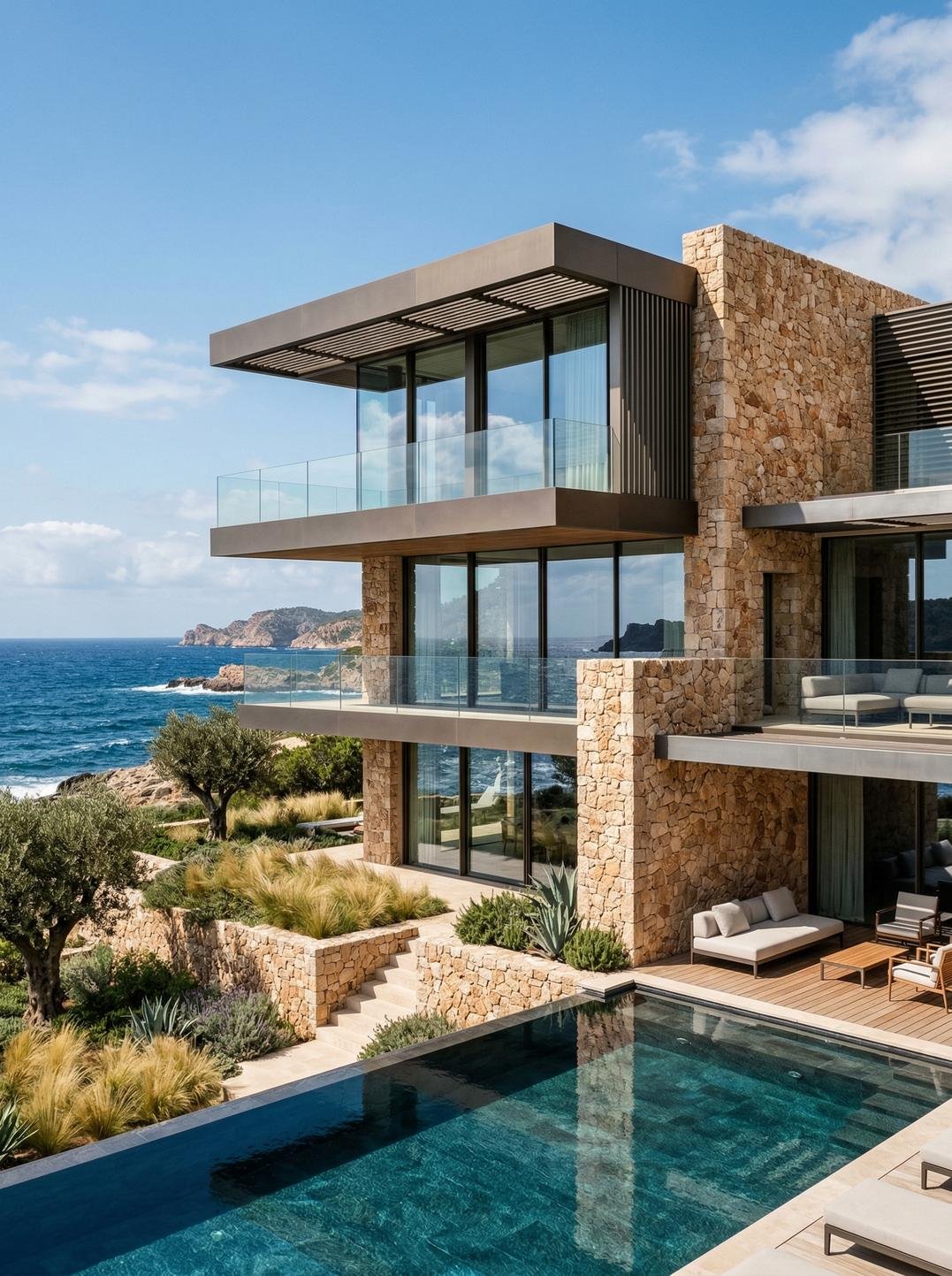
Creating a broadcast-quality animation is a complex technical and creative process that goes far beyond basic 3D modeling. It begins with a detailed storyboard, similar to movie production. Architects and 3D artists collaborate to define the narrative arc—deciding whether the focus is on the serenity of the interior design or the grandeur of the external facade. This phase is crucial for ensuring the final output aligns with the brand identity of the development.
Once the storyboard is approved, the technical phase begins. This involves texturing, lighting, and setting up camera paths. To achieve true realism, studios utilize advanced rendering engines that simulate global illumination and physics-based materials. If you are looking to refine your project’s visual quality, you should explore resources on High-end 3D architectural animation to understand the nuances of texture and light. This stage separates standard CGI from premium output; the way light refracts through glass or reflects off polished marble must be physically accurate to maintain the illusion of reality.
The final stage involves post-production and sound design. A silent video rarely converts. Professional studios overlay ambient sounds—birds chirping, city hum, or wind through trees—along with a carefully selected musical score to guide the viewer’s emotional response. This integration of audio and visual elements is what defines luxury architectural visualization in motion. It transforms a digital file into an experience. The workflow is rigorous, but the result is a polished sales tool that operates 24/7.
3. Implementing High-End 3D Architectural Animation for Sales

For top-tier developers, the implementation of animation requires a strategic approach. It is not enough to simply upload a video to YouTube. The animation should be the centerpiece of an interactive sales gallery. Large-scale LED walls or immersive projection rooms allow prospective buyers to step inside the high-end 3D architectural animation, creating a memorable showroom experience that printed brochures cannot replicate.
Additionally, these animations should be modular. A three-minute master film is excellent for a sales center, but shorter, 15-second vignettes focusing on specific features—like the spa, the lobby, or the smart-home integration—are necessary for targeted digital ads. By segmenting the content, developers can run A/B tests to see which features resonate most with their target demographic. This data-driven approach allows for real-time adjustment of marketing messages based on what viewers are engaging with most.
Collaboration with interior designers during this phase is vital. The furniture, art, and styling within the animation must reflect the actual specifications of the project. This accuracy ensures that the luxury architectural visualization aligns with the deliverables, preventing any disconnect between buyer expectations and the finished product. For a deeper dive into how these elements come together, many experts analyze Luxury architectural visualization workflows to optimize their sales funnels.
4. Avoiding Pitfalls in High-End 3D Architectural Animation
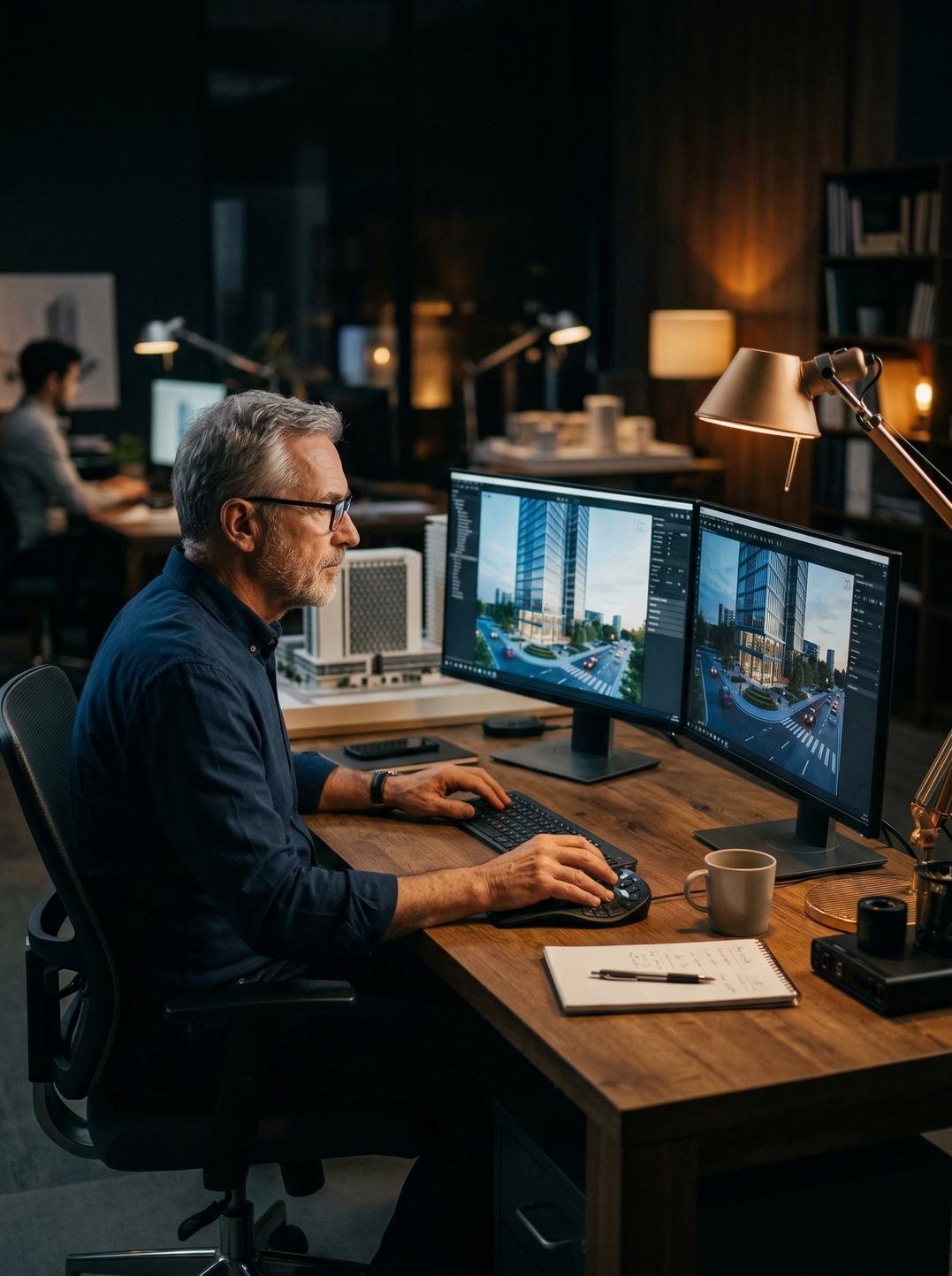
Despite the benefits, there are common mistakes that B2B real estate professionals must avoid when commissioning animations. The most prevalent issue is the “uncanny valley” effect caused by poorly animated 3D people. In high-end 3D architectural animation, it is often better to use ghosted silhouettes, time-lapse motion blur, or high-quality green-screen actors rather than low-poly 3D characters that move unnaturally. Poor character animation distracts the viewer and breaks the immersion, instantly devaluing the perceived quality of the real estate.
Another critical error is neglecting the “story” in favor of technical showboating. While wide-angle drone shots are impressive, an animation that only consists of flying camera movements can feel dizzying and impersonal. The camera should move at a human pace, simulating the experience of walking through the home. This “eye-level” perspective is essential for luxury architectural visualization, as it mimics the actual buyer experience.
Finally, cutting corners on rendering time or resolution is a fatal mistake. A pixelated video or one with flickering textures (aliasing) suggests a lack of attention to detail—a trait no developer wants associated with their building. Ensure your visualization partner renders in at least 4K resolution and uses sufficient sampling rates to eliminate noise. Quality control in the animation reflects the quality control of the construction itself.
5. Conclusion
In the high-stakes world of property development, perception is reality. High-end 3D architectural animation is more than just a marketing trend; it is a fundamental tool for risk mitigation and value creation. By investing in cinema-quality visualization, developers can effectively communicate their vision, secure faster buy-in from stakeholders, and command premium market rates.
Whether you are launching a boutique residential complex or a commercial skyscraper, the ability to tell a compelling visual story is your competitive advantage. Arkilex specializes in translating architectural concepts into breathtaking digital realities. Contact Arkilex today to discuss how we can elevate your next project with industry-leading visualization strategies.
6. FAQs
What is the typical turnaround time for a high-end 3D architectural animation?
The timeline varies based on project complexity and duration. Generally, a standard 2-minute high-end animation requires 4 to 8 weeks. This includes modeling, storyboarding, preview drafts, rendering, and post-production. Rush services are often available but may incur additional costs due to the increased demand on render farms.
What files do developers need to provide to start the animation process?
To begin, we typically require CAD drawings (DWG), 3D models (Revit, SketchUp, or Rhino), material schedules, and landscape plans. Additionally, mood boards or reference images for interior design and lighting preferences help ensure the visual style aligns with your brand guidelines immediately.
How does 3D animation differ from a virtual tour (VR)?
An animation is a pre-rendered, cinematic video that guides the viewer through a curated narrative path, perfect for websites and presentations. A virtual tour (VR) is interactive, allowing the user to navigate the space freely in real-time. Both are powerful, but animation allows for higher graphical fidelity and controlled storytelling.
Is high-end 3D architectural animation worth the cost for smaller developments?
Yes. While often associated with skyscrapers, high-end animation is crucial for smaller luxury developments where the finish quality and atmosphere are the main selling points. It helps differentiate a boutique project from mass-market competitors, often resulting in faster presales that offset the initial marketing investment.