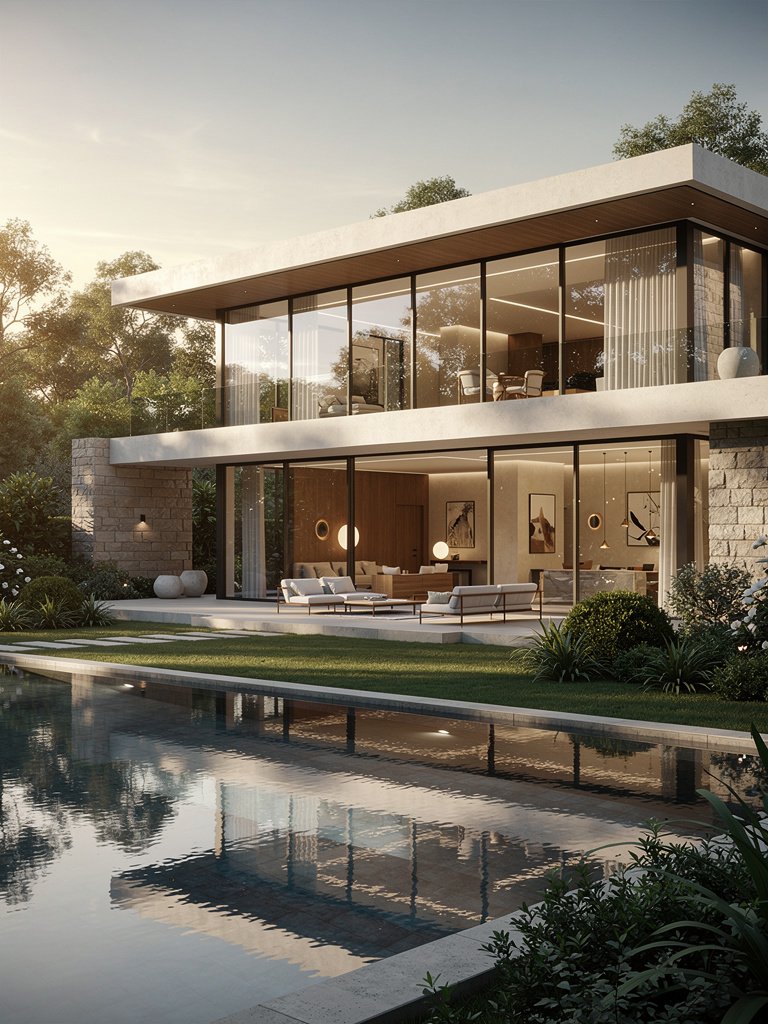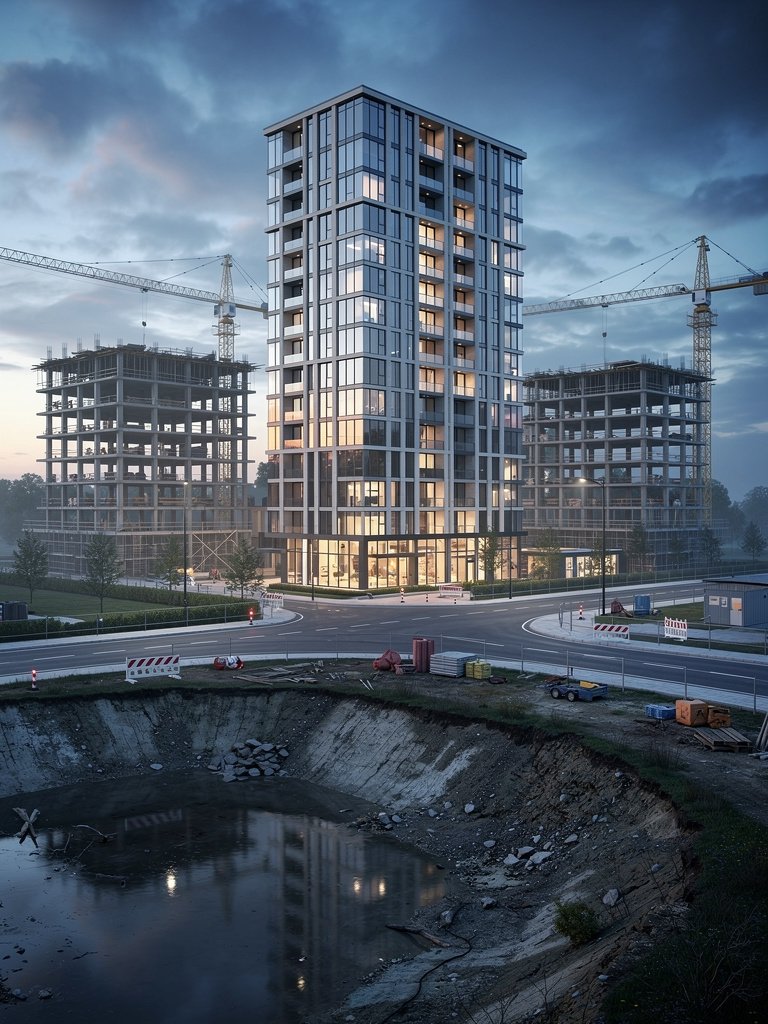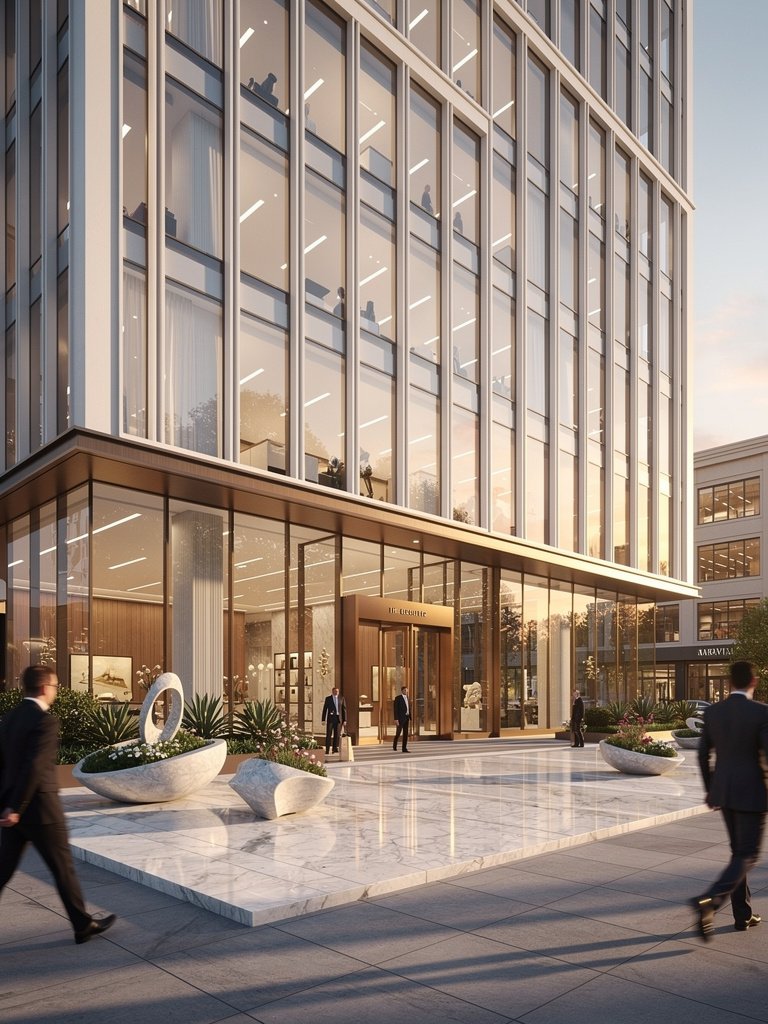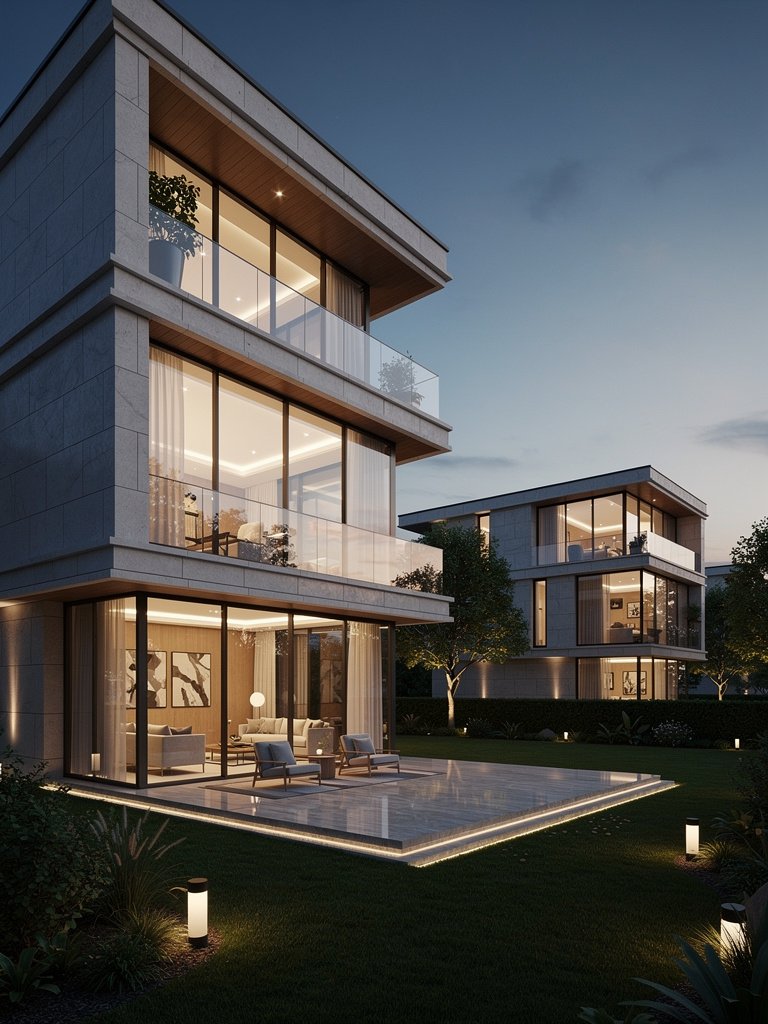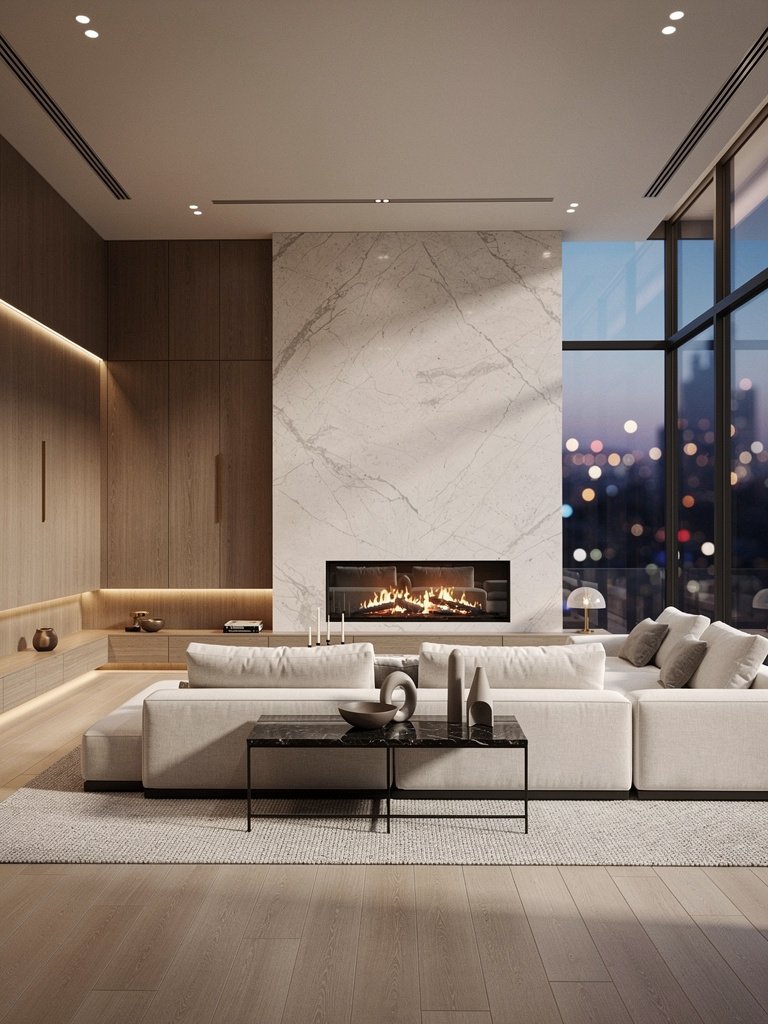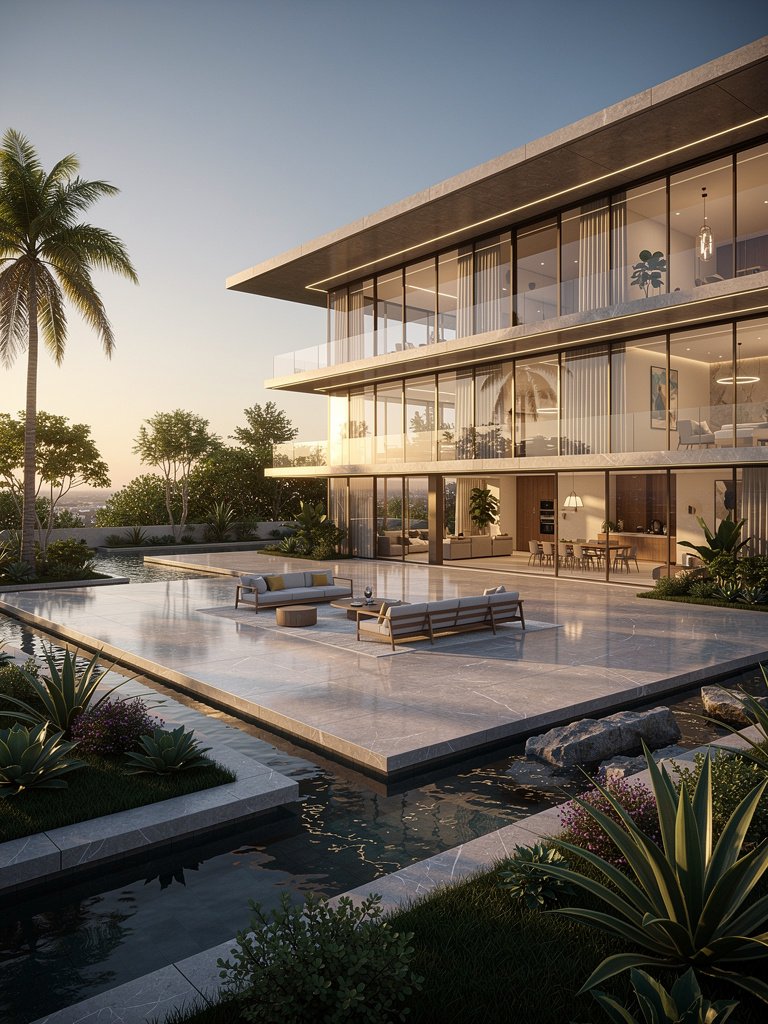
As we approach 2026, luxury interior trends are redefining how developers and architects conceptualize premium residential spaces. The market demands authenticity, sustainability, and technology integration like never before.
Table of Contents
Why Luxury Interior Trends Matter for Your Development Pipeline
The stakes have never been higher for real estate developers. According to Knight Frank’s 2025 Wealth Report, ultra-high-net-worth individuals now scrutinize interior specifications with the same rigor previously reserved for location and square footage. Projects that fail to incorporate contemporary luxury interior trends face extended days-on-market and pricing concessions averaging 8-12% below comparable properties with updated specifications.
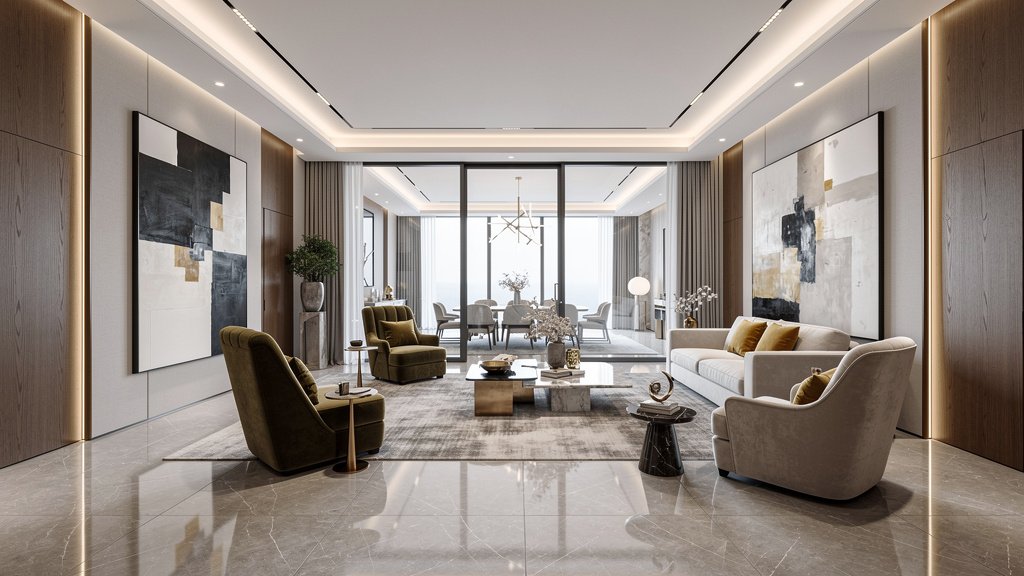
Buyers in the $5M+ segment now expect to see detailed interior specifications before committing to pre-construction purchases. This shift fundamentally changes how developers must approach design development and marketing collateral.
1. Biophilic Design Integration: Beyond Token Greenery
Luxury interior trends in 2026 prioritize genuine biophilic design, not superficial plant placement. This means engineered living walls with integrated irrigation systems, natural material palettes including travertine and solid timber, and circadian lighting systems that mimic natural daylight patterns throughout the day.
Developers who implement authentic biophilic principles report 23% faster absorption rates in luxury projects. The approach requires coordination between MEP engineers, interior designers, and horticulture specialists during the design development phase.
Floor-to-ceiling specifications now frequently include electrochromic glass that automatically adjusts tint based on solar exposure. These systems reduce HVAC loads while maintaining optimal natural light levels. The upfront premium of $85-120 per square foot becomes a powerful marketing differentiator in competitive luxury markets.
2. Smart Home Infrastructure: Invisible Technology Integration
Today’s luxury interior trends demand that technology disappears into architecture. Buyers expect enterprise-grade networking infrastructure, motorized window treatments with automated scheduling, and integrated audio-visual systems that require zero visible hardware in primary living spaces.
The standard specification now includes Category 6A cabling to all rooms, dedicated IT closets with commercial-grade networking equipment, and pre-wired locations for future technology integration. Budget allocation should reserve 3-5% of total construction costs for technology infrastructure alone.
Voice-controlled systems from premium providers like Control4 or Crestron have become baseline expectations rather than upgrade options. These systems integrate lighting, climate, security, and entertainment into unified control platforms accessible through proprietary applications.
3. Artisanal Materiality and Textural Complexity
Generic luxury is dead. The new paradigm in luxury interior trends emphasizes unique, tactile materials with authentic provenance. This shift reflects broader consumer preferences for craftsmanship over mass production. Developers should specify materials like hand-troweled Venetian plaster, book-matched marble slabs with continuous veining across multiple surfaces, and custom millwork in domestic hardwoods with visible grain variation. Each material selection tells a story and creates Instagram-worthy moments that generate organic marketing content long after project completion. The materials palette should include at least three distinct textural experiences in primary living spaces. Smooth polished stone countertops might contrast with rough-hewn reclaimed timber ceiling beams and soft textile wall coverings. This layering creates visual interest that photographs exceptionally well and differentiates projects in crowded luxury markets. Procurement timelines for artisanal materials often extend 16-24 weeks, requiring early specification and ordering during construction documentation phases.
4. Wellness-Centered Spatial Planning
Luxury interior trends increasingly reflect the $4.5 trillion global wellness economy. Developers must now consider dedicated wellness spaces including home fitness studios with impact-resistant flooring and integrated AV systems, spa-inspired bathrooms with chromotherapy lighting and steam shower capabilities, and meditation rooms with acoustic isolation and natural ventilation.
The International WELL Building Institute reports that WELL-certified residential projects command pricing premiums of 12-18% compared to conventional luxury developments. Certification requires specific design interventions around air quality, water purity, lighting quality, and acoustic performance.
Air purification systems with MERV 13 or higher filtration have transitioned from luxury amenities to baseline expectations. Whole-home water filtration and remineralization systems address both health concerns and aesthetic preferences for appliance longevity.
5. Multi-Functional Spaces with Transformable Elements
The pandemic permanently altered how affluent buyers use residential space. Current luxury interior trends prioritize flexibility through motorized partition systems, convertible furniture integration, and rooms designed for multiple programmatic uses throughout the day.
Home offices require sophisticated acoustic treatment, dedicated HVAC zoning for comfort during extended use, and professional-grade task lighting. These spaces must photograph as both productive work environments and attractive residential rooms.
Murphy bed systems, retractable projection screens, and pocket door assemblies allow single rooms to serve multiple functions. The mechanical systems supporting these transformations must operate silently and reliably through thousands of cycles.
6. Sustainable Luxury: Performance Meets Aesthetics
Today’s luxury interior trends reconcile environmental responsibility with uncompromising aesthetics. This means specifying FSC-certified hardwoods, low-VOC finishes throughout, LED lighting exclusively, and high-efficiency HVAC systems with individual room control.
The narrative has shifted from “sustainable despite being luxury” to “sustainable because it’s luxury.” Discerning buyers now expect detailed information about material sourcing, manufacturing processes, and lifecycle environmental impact.
Geothermal HVAC systems, while requiring significant upfront investment, provide marketing differentiation and operating cost advantages that appeal to financially sophisticated buyers. The systems also eliminate rooftop mechanical equipment that can compromise architectural aesthetics.
7. Statement Kitchens as Social Anchors
Kitchen specifications have become the primary differentiator in luxury developments. Current luxury interior trends emphasize professional-grade appliance suites from brands like Wolf, Miele, or Gaggenau, oversized islands with waterfall-edge stone details, and integrated pantry systems with custom organizational inserts.
The kitchen has evolved from utilitarian workspace to social centerpiece. Developers should allocate 15-20% of total interior budgets to kitchen specifications alone. This investment yields disproportionate returns in buyer perception and competitive positioning.
Innovative developers now include demonstration kitchens in sales centers where potential buyers can experience appliance functionality and finish quality firsthand. These experiential marketing environments reduce buyer uncertainty and accelerate decision-making timelines.
How to Visualize Luxury Interior Trends Before Construction
The challenge for developers lies in communicating these luxury interior trends to potential buyers before physical completion. Traditional rendering approaches often fail to capture material authenticity and spatial qualities that define luxury.
Photorealistic 3D visualization now serves as the primary sales tool for pre-construction luxury projects. Advanced rendering techniques using physically-based materials and accurate lighting simulation create images indistinguishable from professional photography.
Interactive virtual reality experiences allow buyers to explore spaces at full scale, examining finish details and spatial relationships with unprecedented clarity. These technologies reduce buyer uncertainty and support pricing strategies at the upper end of market ranges.
Implementing These Trends: The Developer’s Roadmap
Successfully incorporating luxury interior trends requires coordination across multiple disciplines. Begin with programming sessions that identify target buyer psychographics and lifestyle priorities. These insights drive specification decisions that resonate with intended audiences.
Engage interior designers during schematic design rather than design development. Early collaboration prevents costly revisions and ensures architectural and interior design visions align seamlessly.
Develop comprehensive specification guides that detail every material, finish, and fixture. These documents serve as quality control tools during construction and marketing content for sales teams.
The Role of Visual Marketing in Luxury Development
high-end residential interiors, modern interior design publications have trained luxury buyers to expect exceptional visual presentation. Your marketing materials must match or exceed editorial photography standards to compete effectively.
Professional visualization services create marketing assets that function across multiple channels including website galleries, social media content, print collateral, and large-format sales center installations. The investment in premium visualization typically represents 0.5-1% of total development costs but drives disproportionate value in buyer engagement and pricing achievement.
Case studies from luxury markets including Miami, Los Angeles, and New York consistently demonstrate that projects with exceptional visual marketing achieve 15-25% faster absorption rates and 8-12% pricing premiums compared to developments with conventional photography or basic renderings.
Cost Implications and ROI Analysis
Implementing comprehensive luxury interior trends typically adds 18-25% to base construction costs compared to conventional luxury specifications. However, pricing studies demonstrate that properly executed luxury interiors support pricing premiums of 30-40% above market baseline.
The mathematical case for investing in premium interiors becomes compelling when analyzed through contribution margin. On a $10M project, the incremental $2M investment in luxury interiors enables pricing at $13-14M, generating $1-2M in additional profit contribution.
Value engineering must focus on invisible building systems rather than customer-facing finishes. Buyers will never see framing lumber specifications but scrutinize every visible surface and fixture.
Future-Proofing Your Luxury Developments
Luxury interior trends will continue evolving, but certain principles remain constant. Buyers value authenticity over artifice, performance over appearance, and flexibility over fixed programming.
Design for adaptability by overbuilding infrastructure capacity. Electrical panels should include 30-40% spare capacity for future additions. Network infrastructure should exceed current requirements to accommodate emerging technologies.
Material selections should prioritize timelessness over trendiness. Natural materials like stone, wood, and metal age gracefully while synthetic alternatives often appear dated within 5-7 years.
Frequently Asked Questions
How much should developers budget for luxury interior specifications per square foot?
Premium luxury interiors typically require $350-550 per square foot for finishes, fixtures, and millwork alone, excluding base building costs. This range varies significantly based on geographic market, material selections, and customization levels. Ultra-luxury projects in gateway cities often exceed $750 per square foot for interior specifications. Developers should conduct detailed cost modeling during schematic design to establish realistic budgets aligned with target pricing strategies.
What visualization tools best communicate luxury interior trends to pre-construction buyers?
Photorealistic 3D rendering using physically-based rendering engines delivers the highest conversion rates for luxury pre-sales. Supplementing static renderings with interactive virtual reality experiences allows buyers to explore spaces at full scale and examine finish details closely. Video walkthroughs with cinematic production values effectively communicate spatial flow and lifestyle narratives. The most successful luxury developers deploy integrated visualization strategies across multiple media formats to address diverse buyer preferences and decision-making styles.
How do luxury interior trends impact project timelines and delivery schedules?
Artisanal materials and custom millwork typically extend procurement timelines by 12-20 weeks compared to standard specifications. Developers must issue material orders during construction documentation rather than waiting for construction commencement. Smart home technology integration requires additional coordination meetings and testing protocols that add 3-4 weeks to substantial completion timelines. However, these timeline extensions prove worthwhile through pricing premiums and reduced days-on-market that more than offset carrying cost increases.
Which luxury interior trends deliver the strongest ROI for developers?
Kitchen specifications consistently deliver the highest return on investment, with premium appliance packages and stone selections generating pricing premiums 3-4 times their incremental cost. Smart home infrastructure provides strong ROI through buyer appeal despite modest absolute costs. Bathroom luxury, particularly in primary suites, ranks third in ROI impact. Developers should prioritize investment in these high-impact areas before allocating budgets to secondary spaces or less visible building systems.
Take the Next Step in Luxury Development
Understanding luxury interior trends represents only the first step. Implementation requires specialized expertise in visualization, specification development, and market positioning.
Our team has partnered with leading developers across North America to translate interior design visions into compelling marketing realities. Through photorealistic visualization and strategic presentation development, we help luxury projects achieve faster absorption and premium pricing.
Explore our Portfolio to see how we’ve helped developers communicate luxury interior trends through visualization excellence that drives pre-construction sales and market differentiation.
SEO Title (60 characters): 7 Best Luxury Interior Trends Developers Must Know 2026!
Permalink (75 characters): /7-best-luxury-interior-trends-developers-must-know-for-2026-visualize-them
Meta Description (140 characters): Discover 7 luxury interior trends for 2026. Learn visualization strategies to showcase premium finishes in residential developments.