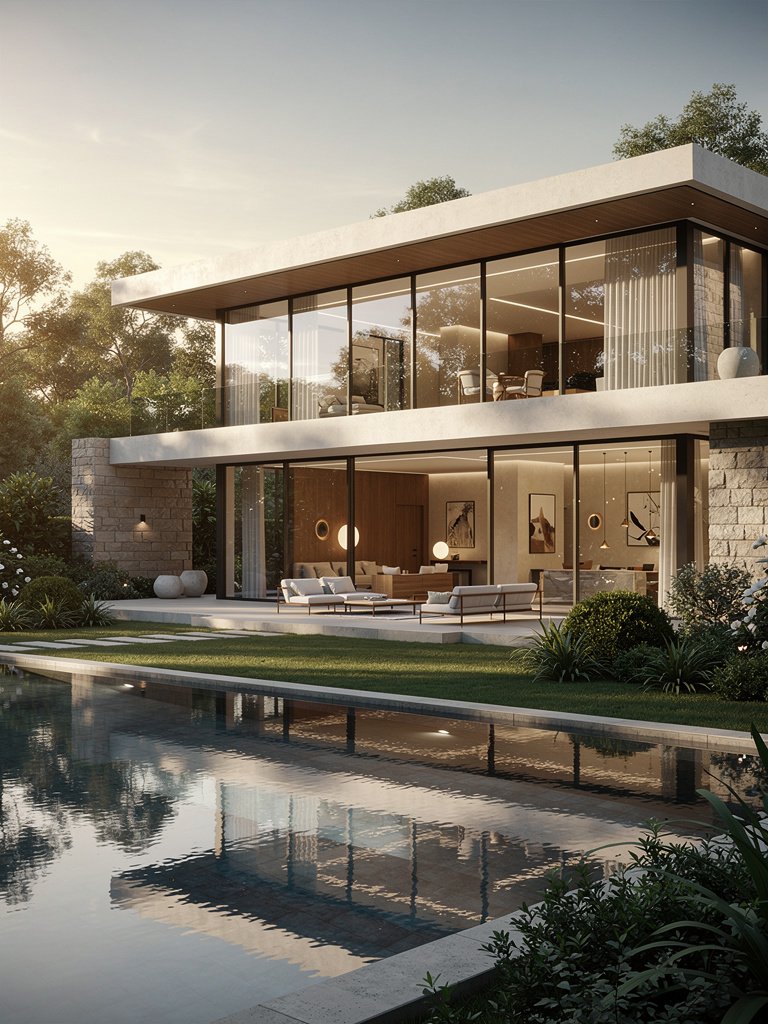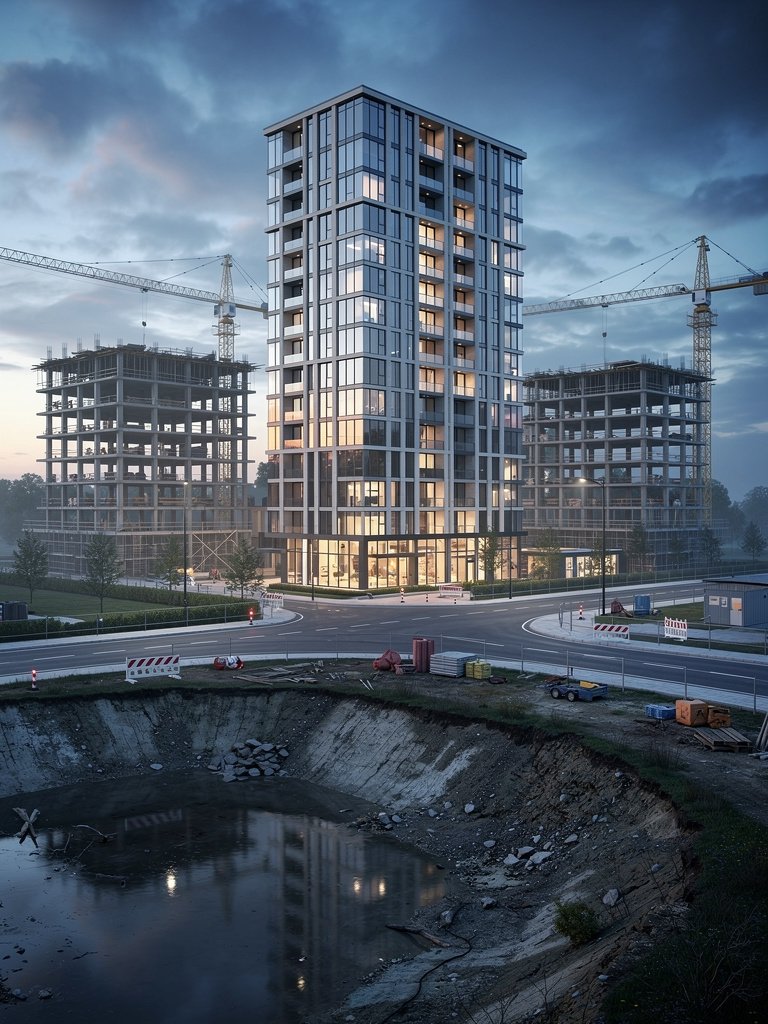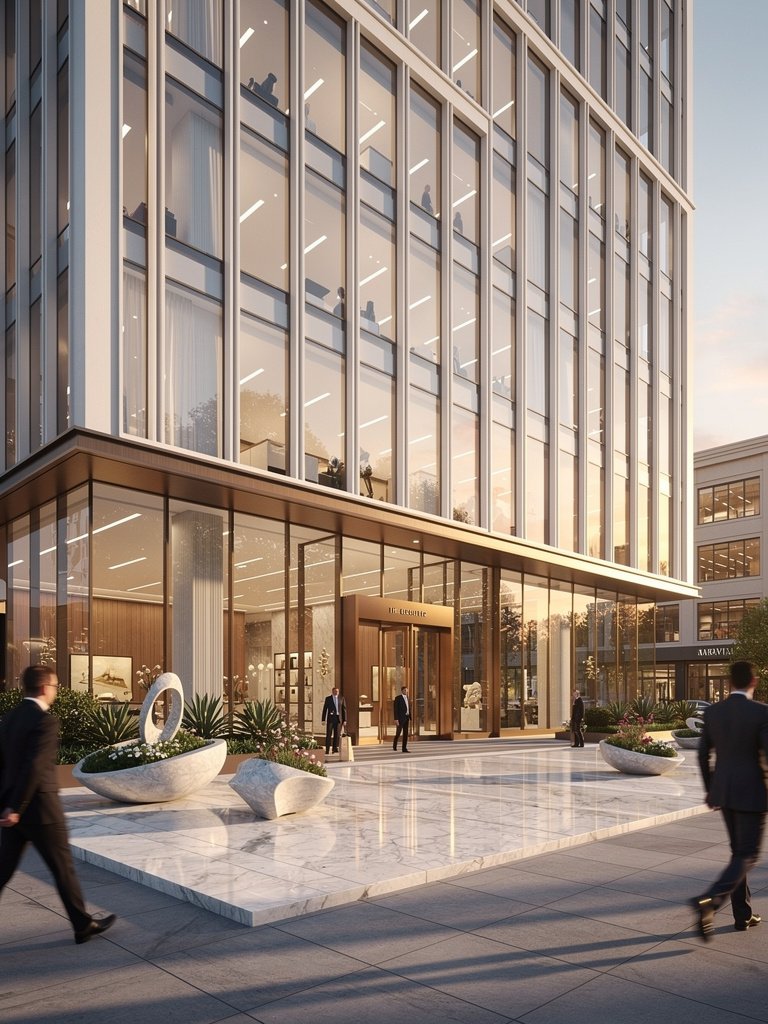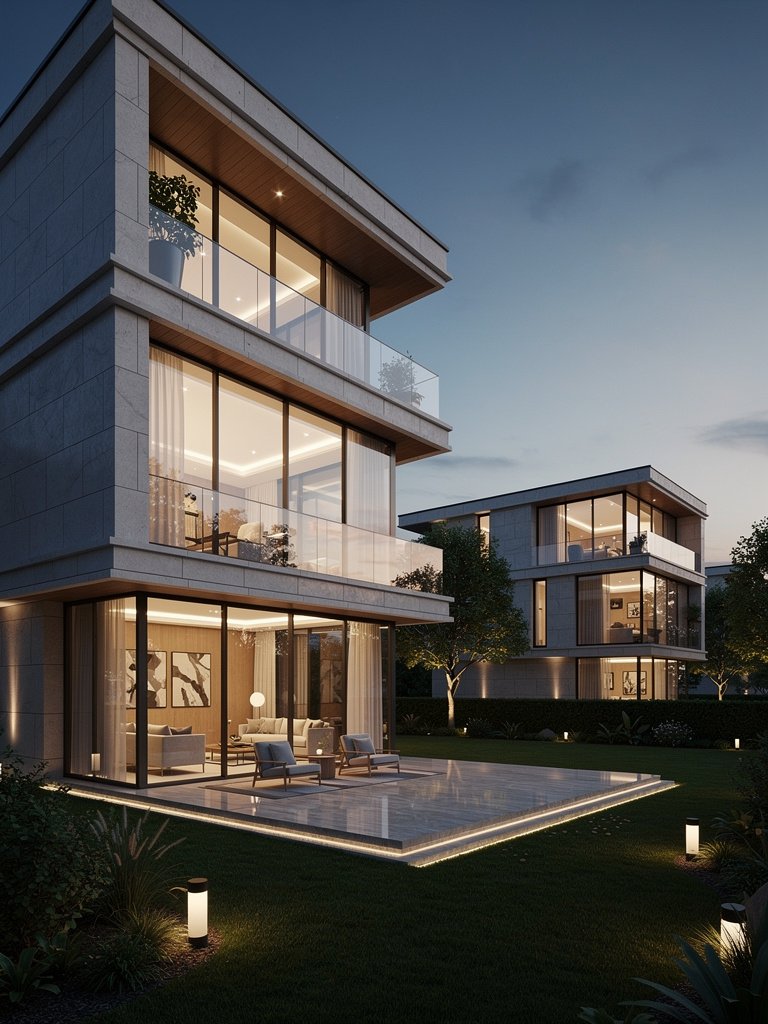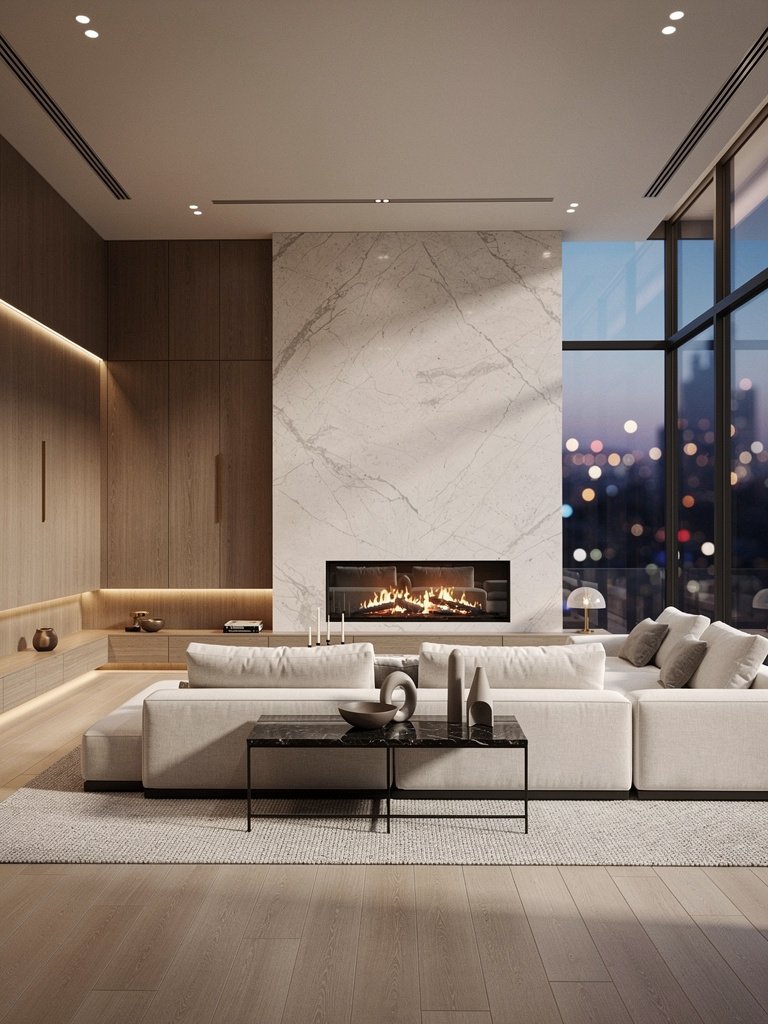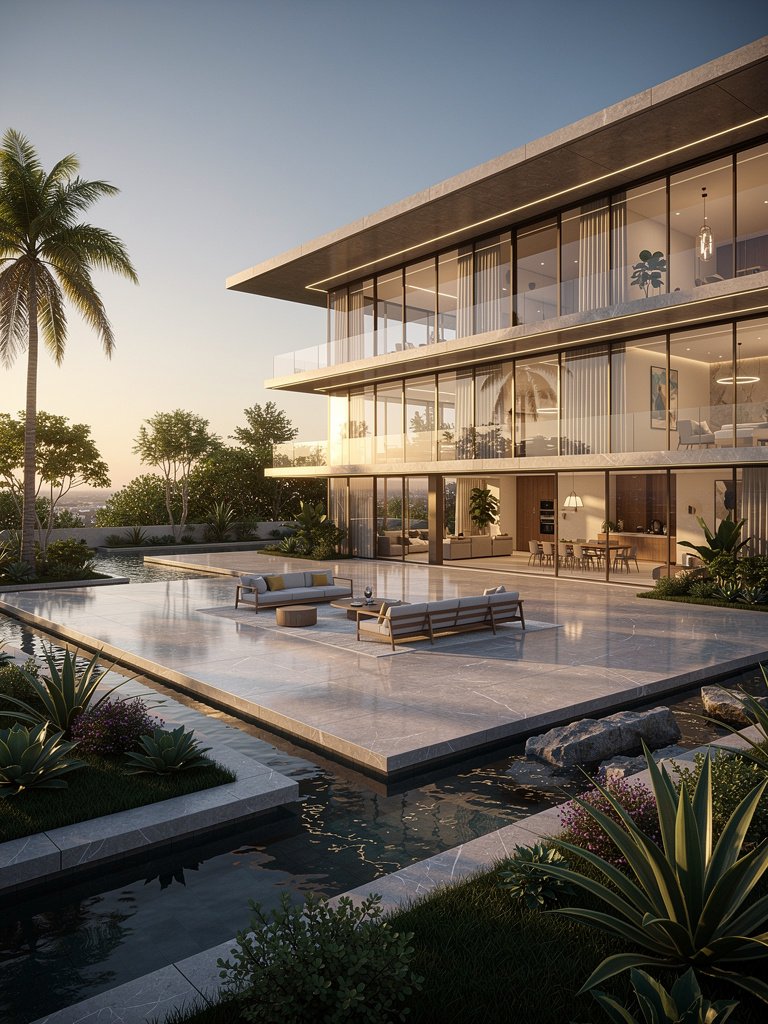
In the competitive landscape of global real estate, the delta between a conceptual blueprint and a funded project often hinges on the power of visual persuasion, which is why leading firms now integrate high-fidelity Hospitality Interior Rendering as a non-negotiable part of their pitch strategy. Research indicates that high-end developments utilizing advanced CGI and professional-grade Hospitality Interior Rendering see a 35% faster approval rate from planning committees and equity partners who require visual certainty before committing capital. For developers, the primary challenge remains bridging the “imagination gap,” and this is precisely how immersive 3D walkthroughs combined with photorealistic Hospitality Interior Rendering help secure stakeholder investment and boost future booking rates for hotels by allowing potential guests and investors to experience the luxury, texture, and ambiance of the space long before construction begins. By utilizing sophisticated Hospitality Interior Rendering, architects can transform abstract architectural intent into a tangible, emotional certainty that effectively de-risks the project, justifies premium pricing, and ensures that every design detail—from the interplay of light on marble to the warmth of bespoke furniture—is communicated with absolute precision to those who control the funding.
Table of Contents
The Strategic Value of Visualization
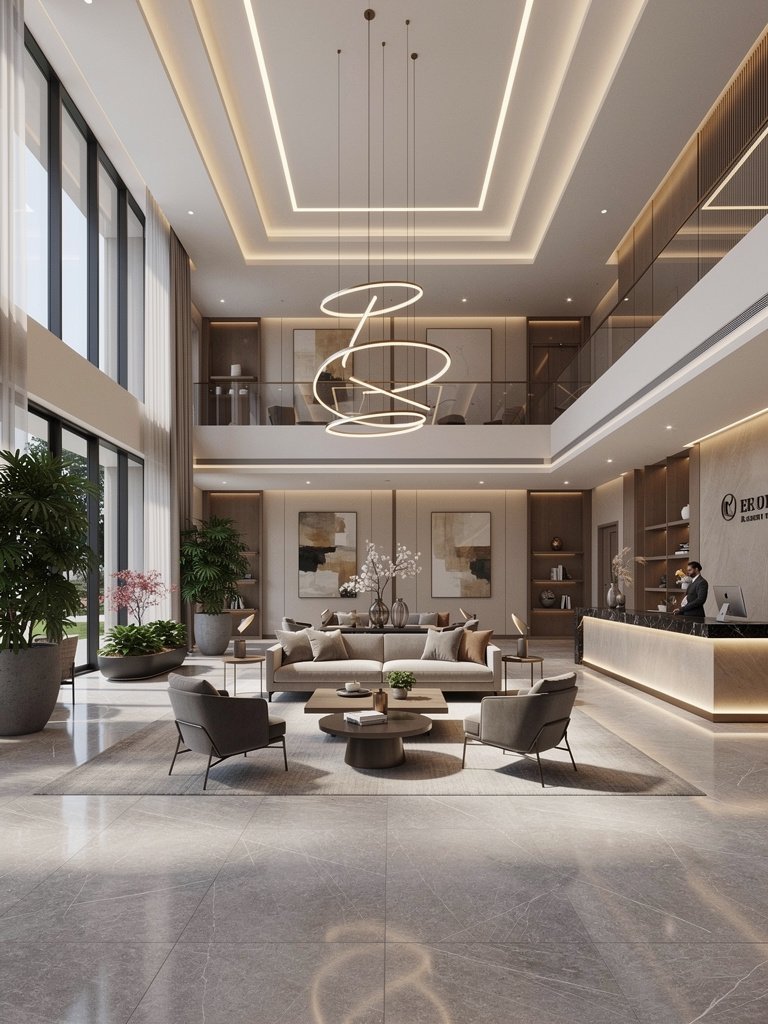
In an era defined by rapid digital consumption, the quality of your visual assets serves as a direct proxy for the quality of your finished asset, making the choice of your visualization partner a critical business decision. For hospitality investors, the primary goal is to de-risk the investment by visualizing the aesthetic and functional success of the project long before it opens to the public. High-fidelity Hospitality Interior Rendering mitigates this perceived risk by providing a clear, high-definition roadmap of the final product, allowing stakeholders to align on design intent, material selection, and atmospheric quality, which ultimately secures the financing and planning approvals needed to move from a conceptual vision to a high-yielding physical reality.
Beyond risk mitigation, these assets serve as a cornerstone for modern Hotel Design Trends, which increasingly emphasize holistic “lifestyle” branding over simple room counts. By integrating a high-quality 1 into your pitch deck, you are not just selling square footage; you are selling a projected revenue stream backed by an aspirational guest experience.
Technical Precision & Workflow: From CAD to Conversion
A common misconception among stakeholders is that architectural visualization is purely an artistic endeavor. In reality, it is a disciplined technical process. The transformation of CAD files and Revit models into photorealistic assets—particularly within the realm of Hospitality Interior Rendering requires strict adherence to architectural fidelity.
Professional workflows begin with high-precision geometry, ensuring that every load-bearing column, HVAC integration, and spatial clearance is mathematically accurate. For large-scale resorts or urban boutique hotels, this precision ensures that the marketing assets remain “truthful” to the construction documents. This technical alignment prevents costly “expectation vs. reality” disputes during the handover phase and ensures that the pre-sale marketing aligns perfectly with the built environment.
Visualizing Materiality & Lighting: The Science of Trust
Trust is built through the details. In luxury hospitality, the tactile nature of a space—the grain of the oak, the reflective index of the marble, and the warmth of the recessed lighting—is what defines the brand’s “Star” rating.
Through physically-based rendering (PBR) workflows, we create “Digital Twins” of materials. We simulate how light interacts with surfaces at different times of the day, allowing investors to see the lobby at golden hour or the rooftop bar under moonlight. When a developer can demonstrate exactly how the light will hit the bespoke brass fixtures in a suite, the narrative shifts from “speculative” to “inevitable.”
Marketing & Sales Impact: Securing the Future
The financial impact of high-end Hospitality Interior Rendering and how immersive 3D walkthroughs help secure stakeholder investment and boost future booking rates for hotels cannot be overstated. From a B2B perspective, these assets provide a multi-channel ROI:
- Reduced Vacancy at Launch: By initiating booking campaigns 12–18 months before ribbon-cutting with photorealistic tours, hotels can achieve 60%+ occupancy on opening day.
- Stakeholder Alignment: Interactive walkthroughs allow investors to “walk” the halls, leading to 40% fewer change orders during the construction phase as spatial issues are identified and resolved virtually.
- Capital Gains: Premium visuals, specifically high-resolution Hospitality Interior Rendering, allow for “off-plan” equity sales at a higher price point, as the emotional value of the design is fully realized before a single brick is laid.
Common Pitfalls in Architectural Visualization
Despite the clear advantages, many developers compromise their brand by falling into standard procurement traps:
- Prioritizing Cost over Quality: Low-budget renderings often feature “uncanny valley” lighting and generic furniture assets, which can subconsciously signal a “budget” project to high-net-worth investors.
- Static Thinking: Relying solely on still images in 2024 is a missed opportunity. Without movement or interactivity, you fail to capture the “flow” of a hospitality space.
- Ignoring the Human Element: Visuals that lack curated “entourage” (3D people and lifestyle elements) feel clinical. The goal is to show the utility of the space, not just the geometry.
To protect your brand image, choose partners who understand architectural nuances as well as they understand cinematic lighting.
Future-Proofing Your Assets: Beyond the Pitch
Investing in high-tier 3D assets is an exercise in asset repurposing. The high-poly models created for a stakeholder pitch can be optimized for:
- Virtual Reality (VR): Creating immersive sales centers for overseas investors.
- Augmented Reality (AR): Allowing on-site visitors to see the finished building via their smartphones.
- Dynamic Video Content: Generating high-conversion social media ads and “coming soon” teasers.
This versatility ensures that the initial capital expenditure for visualization continues to deliver value throughout the entire development lifecycle.
Conclusion
The integration of high-end Hospitality Interior Rendering is no longer an optional luxury—it is a strategic necessity for the modern hospitality developer who aims to dominate the market. By leveraging how immersive 3D walkthroughs and photorealistic Hospitality Interior Rendering help secure stakeholder investment and boost future booking rates for hotels, firms can accelerate sales cycles, eliminate design ambiguities, and command higher market positions in an increasingly crowded global market. Investing in superior Hospitality Interior Rendering allows your team to showcase the subtle interplay of luxury materials and ambient lighting that defines a world-class guest experience, providing investors with the emotional and technical certainty required to move from a conceptual proposal to a fully funded reality. Ultimately, professional-grade Hospitality Interior Rendering serves as the definitive bridge between architectural vision and commercial success, ensuring that your project stands out in the eyes of capital partners and future guests alike, while significantly de-risking the development process through high-fidelity visual proof that justifies premium equity valuations and accelerated pre-launch revenue.
If you are ready to elevate your next development and secure the investment your project deserves, our team is ready to assist.
[View our Portfolio] or [Request a Personalized Quote] today to see how we can bring your vision to life.
FAQs
What is the typical turnaround time for a full hospitality walkthrough?
Depending on the project’s scale and complexity, a high-fidelity 3D walkthrough typically takes between 4 to 8 weeks. This allows for rigorous 3D modeling, material mapping, rendering, and post-production.
How does the cost of 3D rendering compare to traditional photography?
While the upfront cost of high-end CGI may be higher than a standard photoshoot, the ROI is significantly greater. You cannot photograph a building that hasn’t been built yet. Furthermore, 3D assets can be modified (changing furniture or finishes) at a fraction of the cost of a physical re-shoot.
What files do we need to provide to start the project?
To ensure architectural fidelity, we typically require CAD files (.dwg), Revit models, or Rhino files, along with a detailed “FF&E” (Furniture, Fixtures, and Equipment) schedule and material mood boards.