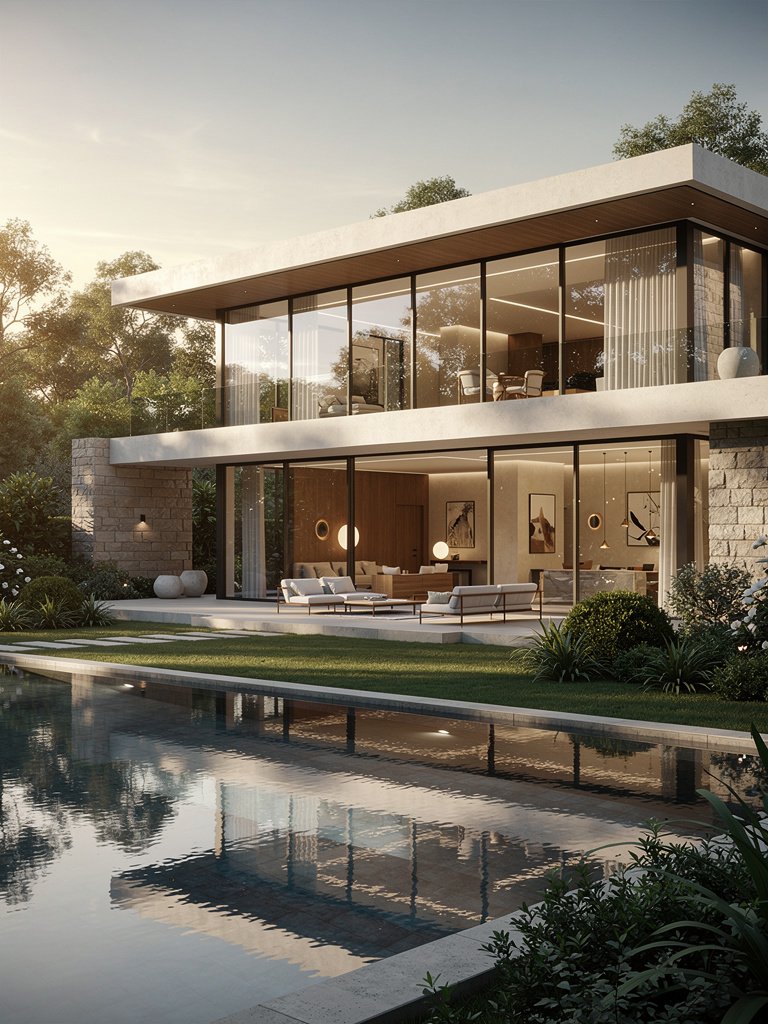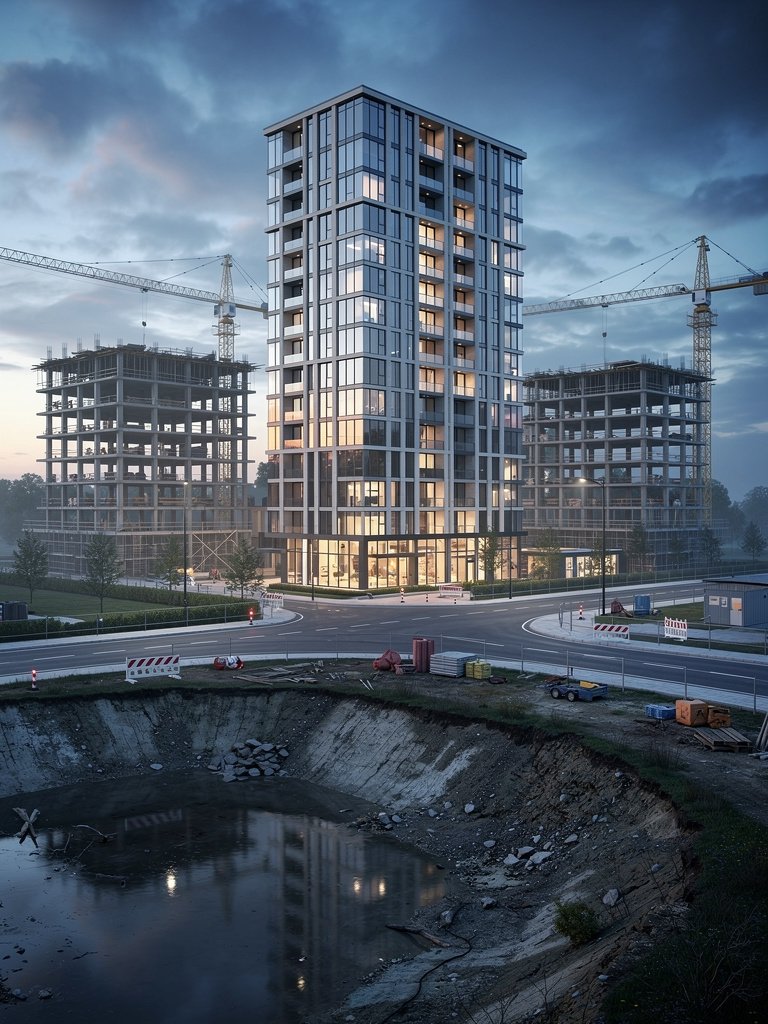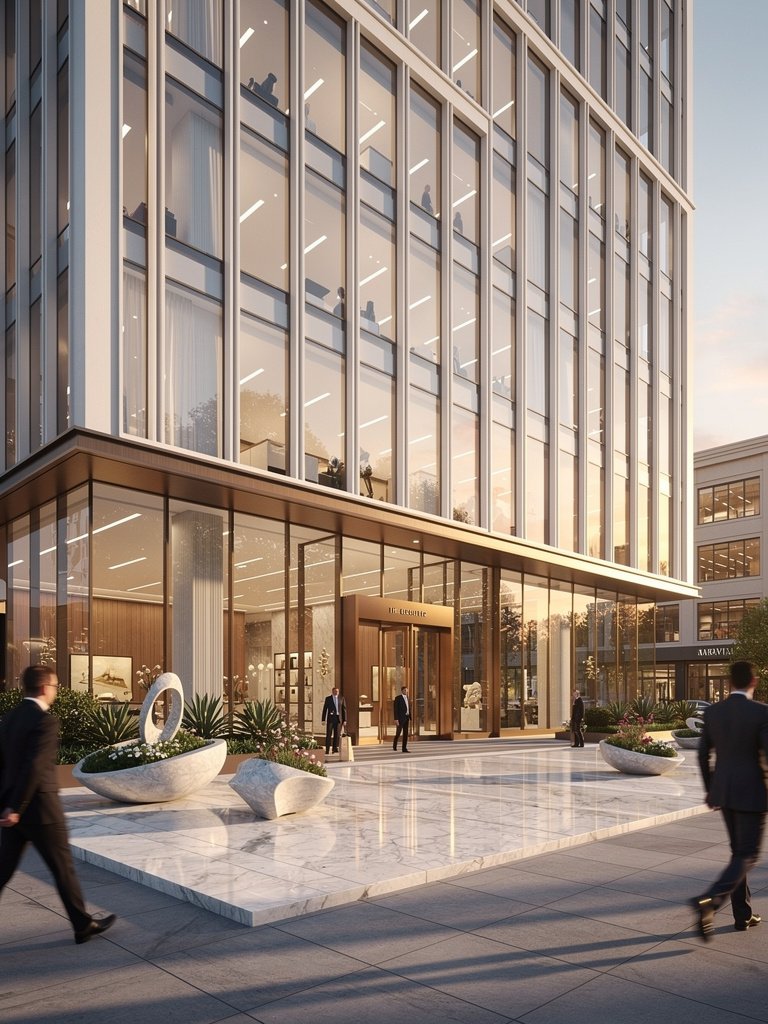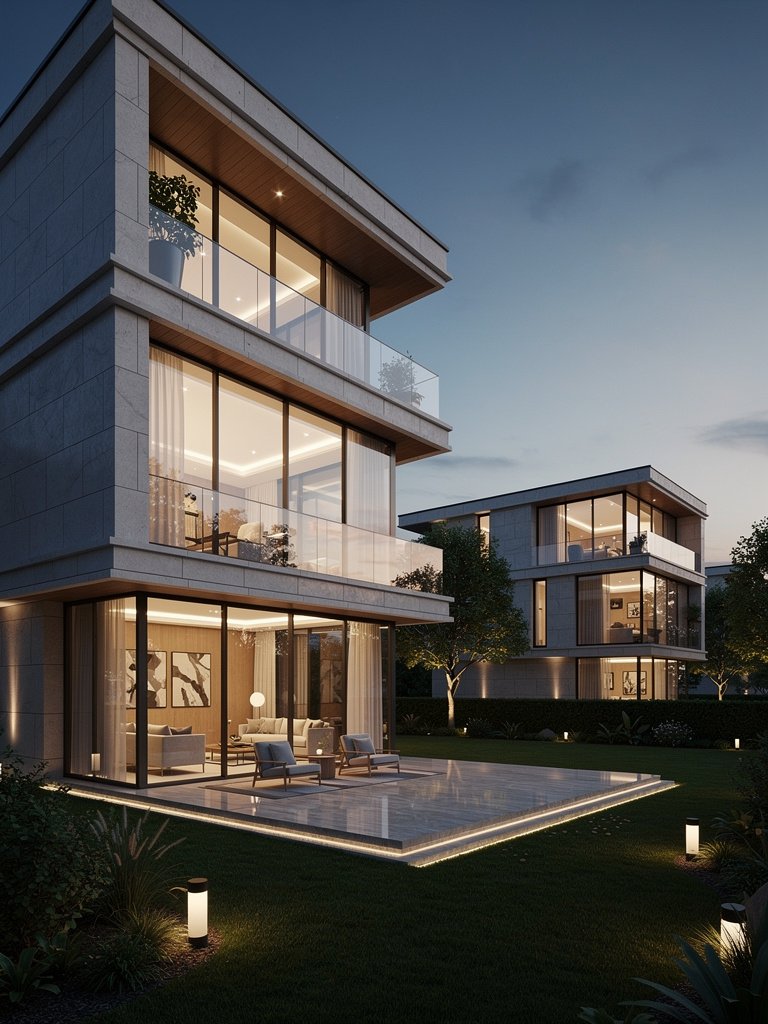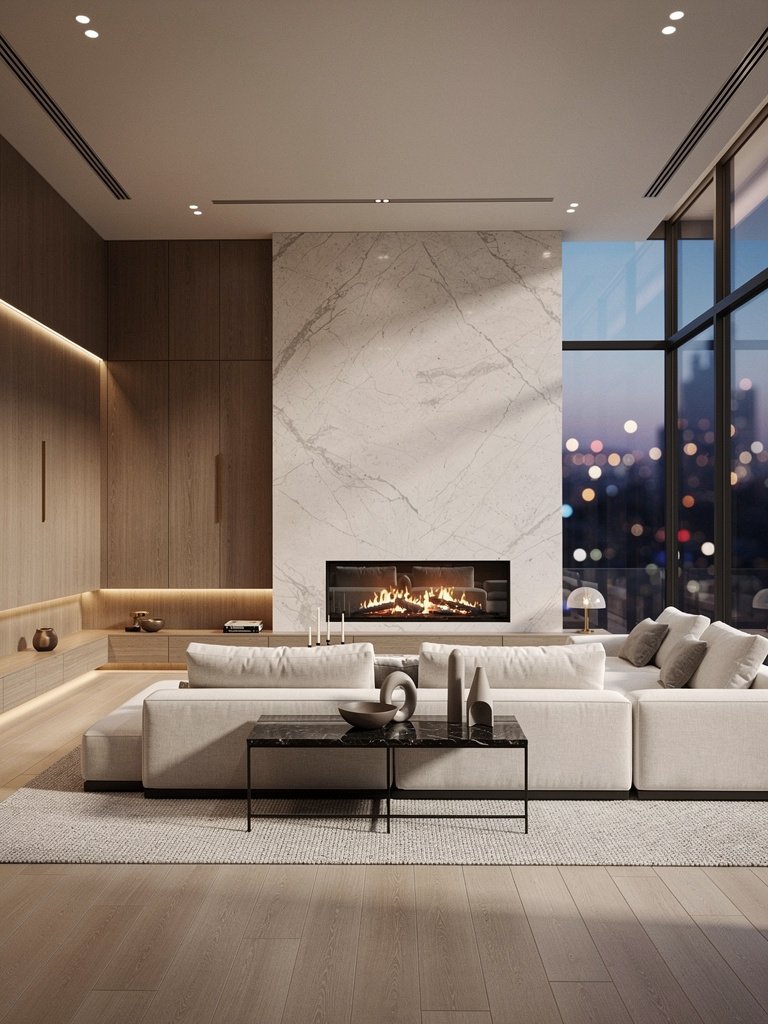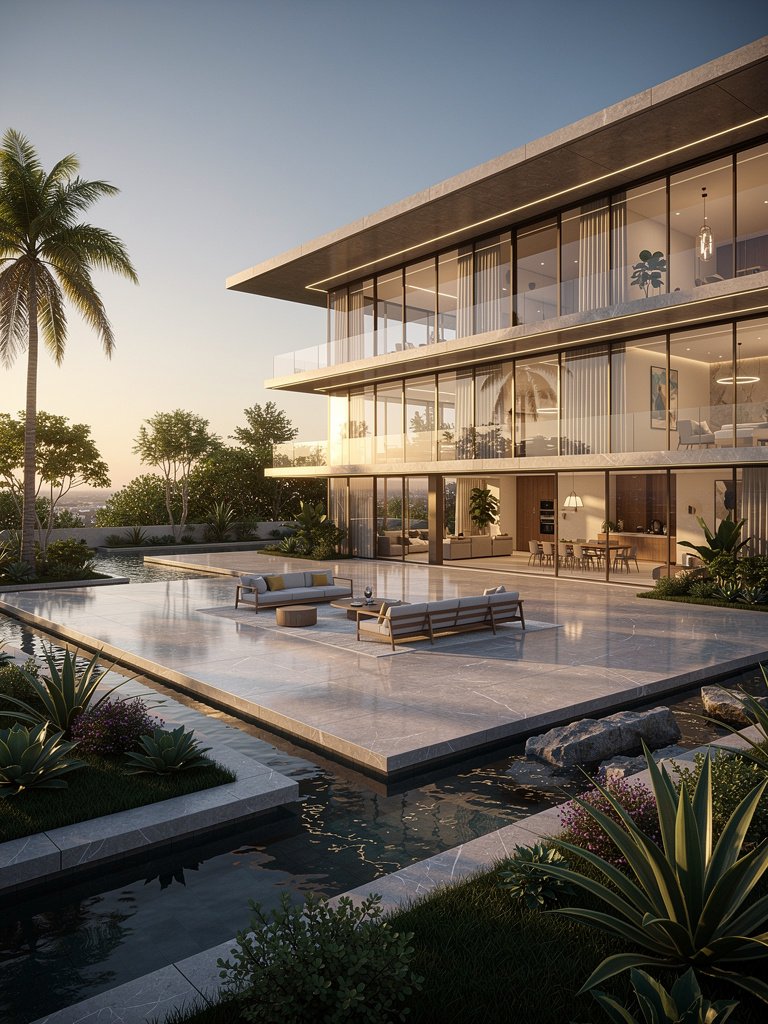
Investing in premium Architectural Competition Renders is the ultimate strategy to stand out and win major project bids. In the high-stakes arena of global real estate development, the margin between a multi-million-dollar commission and a missed opportunity often rests on a single boardroom presentation. Data from industry analysts suggests that juries and investment boards make psychological commitments to a project within the first three minutes of a proposal. This is why top architectural firms invest in emotive storytelling visuals to persuade juries and win high-profile projects, as these assets bridge the gap between abstract technical data and visceral human experience. For developers and architects, the primary pain point is not a lack of vision, but the friction of communicating that vision to non-technical stakeholders who control the capital. High-fidelity Architectural Competition Renders serve as the ultimate conversion tool, transforming complex CAD data into a persuasive narrative that secures stakeholder buy-in and accelerates the approvals process.
Table of Contents
The Strategic Value of Visualization
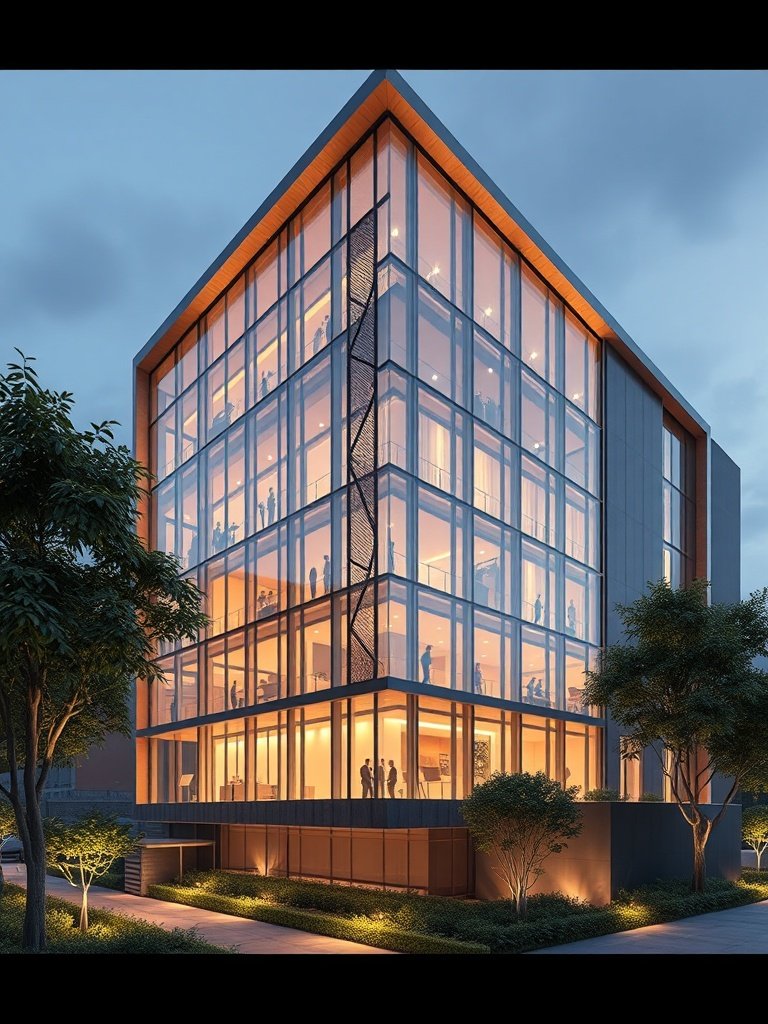
The current real estate market is characterized by hyper-competition and a demand for certainty. For architectural firms and hospitality investors, the strategic value of high-end Architectural Competition Renders extends far beyond “pretty pictures.” It is a comprehensive risk-mitigation strategy because these high-fidelity visuals provide a tangible blueprint of a project’s potential, allowing stakeholders to visualize complex spatial dynamics and environmental impacts that technical drawings alone cannot convey. When firms pursue Winning Design Bids, they are essentially selling a future reality, and top-tier Architectural Competition Renders act as the ultimate competitive advantage by demonstrating a project’s viability, structural integrity, and aesthetic integration before a single brick is laid. By closing the imagination gap, these renders minimize the perceived risk for investors, as they can see exactly how the light hits the facade at sunset or how the luxury materials interact with the surrounding landscape, transforming a conceptual proposal into a high-confidence investment opportunity that justifies premium price points and significantly accelerated approval timelines in a crowded market.
Recent market trends indicate that projects utilizing hyper-realistic 3D storytelling through Architectural Competition Renders see a 40% faster path to community and planning approval compared to traditional methods. In a high-stakes real estate landscape where time-to-market is the primary driver of ROI, the strategic ability of these Architectural Competition Renders to bypass lengthy clarification cycles and mitigate planning objections is proving to be invaluable for modern developers. Today’s sophisticated investors no longer view visualization as a simple line-item expense; instead, they view Architectural Competition Renders as a critical marketing asset that dictates the project’s perceived value from day one. Consequently, this perceived premium influences the eventual price point and accelerates pre-sales velocity, as potential buyers can connect emotionally with the unbuilt architecture long before construction even begins, thereby securing the financial viability of the development in a way that static blueprints or low-quality sketches never could.
Technical Precision & Workflow
The transition from a technical blueprint to a marketing masterpiece requires a rigorous workflow that balances artistic flair with structural integrity. At the professional level, the process begins with the ingestion of high-fidelity BIM (Building Information Modeling) or CAD data. This ensures that every element from the structural span of a cantilever to the exact placement of HVAC vents is represented with architectural fidelity.
A common mistake in lower-tier rendering is the sacrifice of scale for the sake of aesthetics. Modern B2B content strategies for architects emphasize that “accuracy is the foundation of trust.” When a jury reviews a proposal, they look for cues that the project is buildable. Professional visualizers apply real-world physics to virtual environments, ensuring that sunlight angles are geographically accurate and that shadows reflect the actual orientation of the site. This technical precision removes “visual noise” and allows the jury to focus on the design’s innovative qualities rather than questioning its feasibility.
Visualizing Materiality & Lighting
The emotional resonance of a project is dictated by materiality and the interplay of light. In the luxury residential and hospitality sectors, the “feel” of a space is as important as the floor plan. By utilizing “Digital Twin” technologies, artists can replicate the exact physical properties of materials the brushed texture of anodized aluminum, the subtle translucency of marble, or the warmth of sustainable timber.
Advanced global illumination algorithms simulate how natural and artificial light interact with these surfaces across different times of day. This level of detail builds an incredible amount of trust with investors. It signals that the design team has considered the lived experience of the occupants. For hospitality investors, seeing the exact ambiance of a lobby at sunset or a guest suite under soft evening lighting provides the confidence needed to commit to a brand vision, effectively de-risking the creative direction through visual proof.
Marketing & Sales Impact
The business case for investing in premium visualization is best illustrated by its impact on marketing metrics. In the pre-construction phase, the visuals are the product. For real estate developers, high-quality 3D assets are the engine for pre-sales and lead generation. Based on industry benchmarks, listings and landing pages featuring premium 3D tours and high-resolution renders generate 60% more qualified leads than those with standard illustrations.
Furthermore, these visuals provide a significant boost to stakeholder approval cycles. When a developer can present a cohesive visual narrative to a city planning commission or a group of private equity investors, the “imagination gap” is closed. This results in fewer revision requests and a more streamlined path to financing. The emotive power of a narrative-driven render allows the viewer to imagine themselves within the space, which is the ultimate catalyst for high-value B2B decision-making.
Common Pitfalls in Architectural Visualization
Despite the clear benefits, many developers fall into traps that undermine their brand image and competition success, with the most prevalent pitfall being the prioritization of cost over the technical quality of their Architectural Competition Renders. This short-sighted approach often leads to the “uncanny valley” effect, where the image looks almost real but feels slightly “off,” triggering a negative psychological response and subconscious distrust in the project’s feasibility among jury members and high-net-worth investors. To avoid such failures, firms must realize that low-quality Architectural Competition Renders can actually damage a professional reputation more than having no visuals at all, as they signal a lack of attention to detail and a potential compromise on construction standards. Furthermore, ignoring the narrative context—such as the surrounding urban fabric or the lived experience of future occupants—results in sterile, uninspired Architectural Competition Renders that fail to close the imagination gap, ultimately leading to rejected proposals and a significant loss of potential ROI in a market that demands absolute visual and structural certainty.
Another common error is ignoring the narrative context. A render of a high-rise office in a vacuum, without the surrounding urban fabric or the “life” of the street, feels sterile and uninspired. To avoid this, firms must ensure their visualization partner focuses on storytelling: Who is using the space? What is the weather? How does the building breathe within its environment? To protect your brand, always select a partner that understands the architectural language as well as the digital tools, ensuring the visual output aligns with the project’s sophisticated positioning.
Future-Proofing Your Assets
Investing in high-quality Architectural Competition Renders early in the project lifecycle creates a versatile “Digital Asset Library” that serves your marketing team for years.
In the modern digital ecosystem, a 3D model should never be a “one-and-done” investment, particularly when high-quality Architectural Competition Renders are inherently versatile and designed to evolve alongside the development’s maturity from conception to completion. The same high-poly models used for initial Architectural Competition Renders can be seamlessly repurposed into immersive Virtual Reality (VR) experiences for site showrooms, 360-degree walkthroughs for international investors, and high-resolution print assets for luxury brochures, ensuring that the initial capital expenditure delivers a multi-year ROI. By maintaining a centralized library of Architectural Competition Renders, developers can ensure brand consistency across all touchpoints—from the first pitch to the final leasing phase—while significantly reducing the cost of creating new marketing materials from scratch, as these high-fidelity assets allow for rapid updates to lighting, textures, and site context as construction progresses, turning a one-time competition requirement into a long-term strategic sales engine that accelerates pre-construction revenue.
As the project moves from construction to leasing, these models can be updated with minimal friction, ensuring your brand stays consistent across every single touchpoint.
Investing in high-fidelity assets early in the project lifecycle creates a “Digital Asset Library” that serves the marketing team for years. As the project moves from conception to construction and finally to leasing or sales, these models can be updated with minimal friction, ensuring brand consistency across all touchpoints. This lifecycle approach maximizes the ROI of the initial visualization spend, turning a competition requirement into a long-term sales tool.
Conclusion
The evolution of architectural competition is no longer just about who has the best design it is about who can best communicate the value of that design to a diverse group of decision-makers. By integrating technical precision with emotive storytelling, firms can secure more wins, attract higher-tier investors, and accelerate the development timeline. High-quality visualization is the bridge between a conceptual dream and a tangible, high-ROI reality.
If you are a developer or architect ready to elevate your next proposal, now is the time to leverage the power of elite-level 3D storytelling. We invite you to view our portfolio of high-profile successes and contact our team today to discuss how we can help you secure your next win with visuals that don’t just show a building, but tell its future story.
FAQs
What is the typical turnaround time for competition-grade renders?
For high-profile competitions, the process usually spans 2 to 4 weeks depending on complexity. This allows for the iterative polishing of lighting, textures, and the narrative “mood” required to stand out to a jury.
How does the cost of 3D visualization compare to traditional marketing photography?
While the upfront investment for 3D visualization may be higher than a standard photo shoot, its utility is significantly greater. You are creating an asset for a building that doesn’t exist yet, enabling pre-sales and funding that photography simply cannot facilitate.
What files do we need to provide to start the process?
Most professional studios require CAD (DWG), Revit, or Rhino files, along with a brief on materials, site context, and the specific “emotional goal” of the presentation.
Can these visuals be used for planning permissions?
Yes. In many jurisdictions, high-accuracy renders are now a requirement for planning submissions to demonstrate the visual impact on the surrounding environment and community.