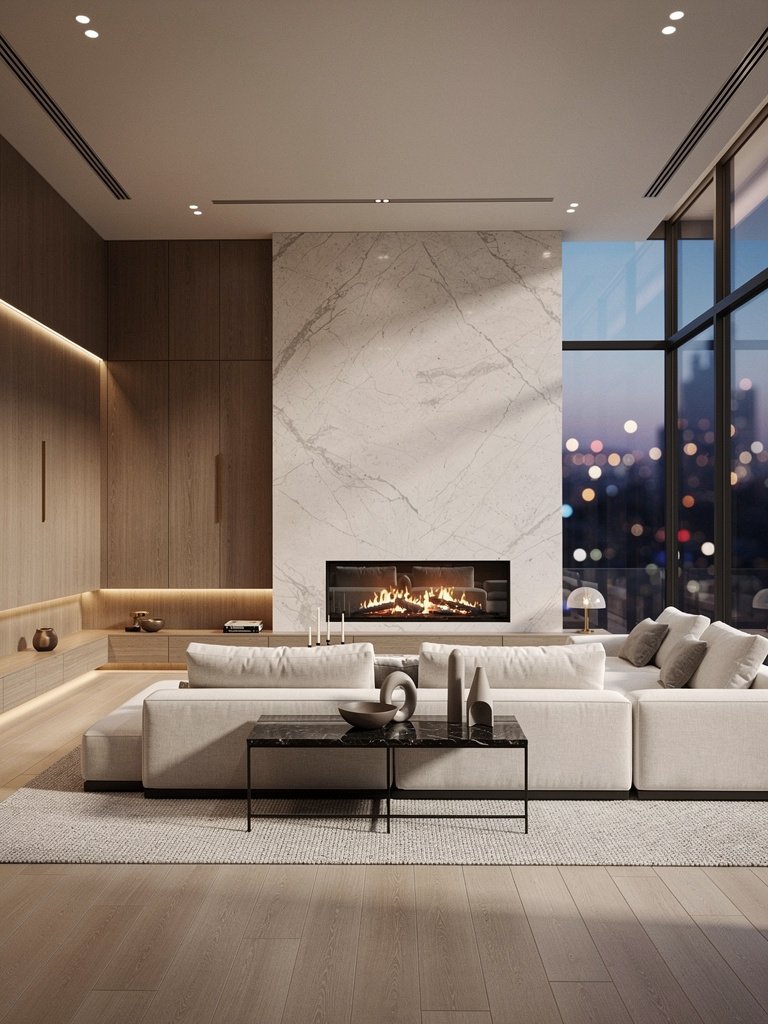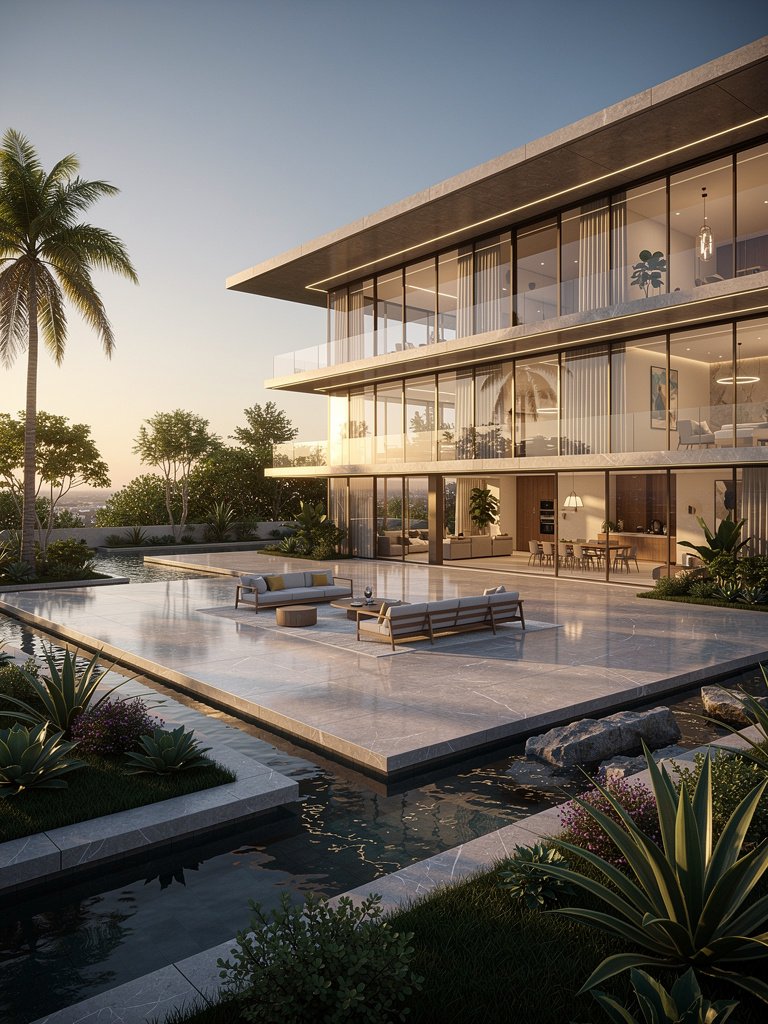
Photorealistic 3D rendering has transformed how developers communicate architectural vision to investors, buyers, and stakeholders. This comprehensive guide delivers actionable strategies to maximize your visualization ROI and accelerate pre-construction sales cycles.
Table of Contents
Why Photorealistic 3D Rendering Drives Measurable Sales Impact
The commercial real estate sector faces a persistent challenge: conveying future value through static blueprints. Recent industry data shows that developments utilizing professional visualization close pre-sales 40% faster than those relying on traditional marketing materials.
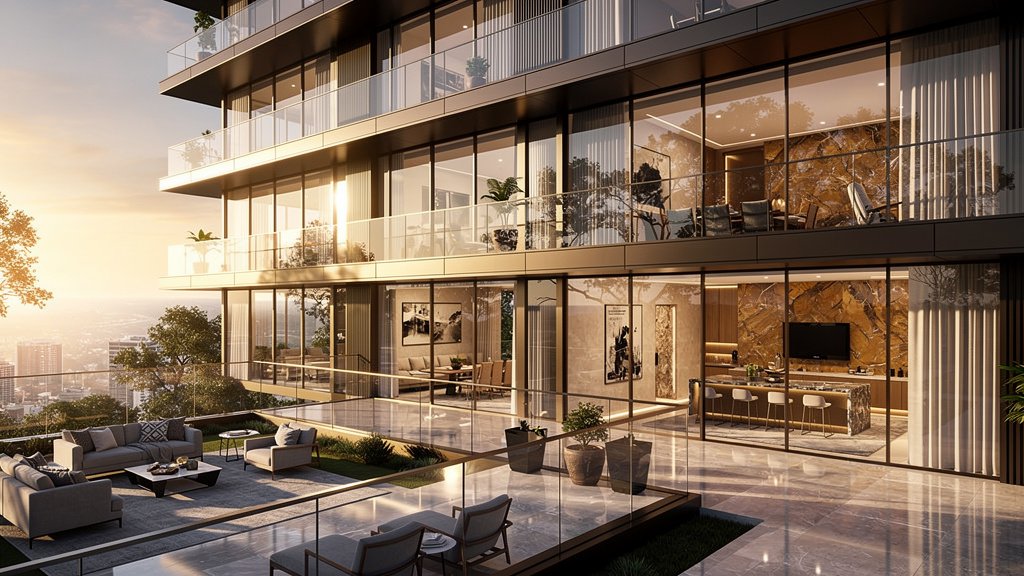
When executed correctly, photorealistic 3D rendering eliminates the imagination gap that plagues off-plan property marketing. Buyers no longer struggle to envision completed spaces from technical drawings. Instead, they experience immersive visual narratives that trigger emotional purchasing decisions.
The financial implications are substantial. A 2023 survey of European developers revealed that projects featuring high-quality CGI achieved 27% higher average sale prices compared to comparable developments without visual marketing assets. The correlation between visualization quality and perceived property value creates a direct path to improved margins.
Understanding the Technical Foundation of Photorealistic 3D Rendering Quality
Quality begins with accurate architectural data translation. Your rendering partner must work from precise BIM models, CAD files, or detailed architectural plans. Any dimensional inaccuracy cascades through the entire visualization pipeline, resulting in assets that feel subtly incorrect to trained eyes.
Material authenticity separates exceptional work from mediocre output. Professional visualization teams maintain extensive libraries of photographically scanned surfaces, capturing how granite reflects light differently than porcelain, or how specific wood grains absorb and diffuse illumination. These physical properties cannot be approximated through generic texture mapping.
Lighting complexity determines realism more than any other single factor. The way sunlight filters through architectural glass at 4 PM in November differs dramatically from morning illumination. Professional rendering incorporates accurate geolocation data, seasonal variations, and precise material reflectance values to simulate authentic environmental conditions. This technical rigor requires sophisticated software knowledge and deep understanding of architectural photography principles. The computational demands are substantial, with single high-resolution frames sometimes requiring 8-12 hours of processing time on advanced workstations. This investment in rendering time directly correlates with output quality. Rushed visualizations invariably display telltale artifacts like unrealistic shadows, incorrect material sheens, or atmospheric lighting that feels staged rather than natural. Professional firms allocate appropriate production schedules, typically 2-3 weeks for comprehensive project visualization suites, ensuring each frame receives adequate refinement iterations based on client feedback and technical quality standards.
Mastering Camera Composition for Maximum Marketing Impact
Strategic camera placement transforms architectural documentation into compelling sales narratives. Industry-leading firms employ principles borrowed from architectural photography, positioning virtual cameras at human eye-level heights between 1.5 and 1.7 meters.
Focal length selection dramatically affects spatial perception. Wide-angle lenses (24mm equivalent) capture expansive interiors but risk distortion. Standard focal lengths (35-50mm) provide the most natural perspective that aligns with human vision.
The rule of thirds applies equally to photorealistic 3D rendering as traditional photography. Positioning key architectural features at intersection points creates visual balance that guides viewer’s attention through the composition naturally.
Leveraging Environmental Context in Photorealistic 3D Rendering
Isolated buildings floating in white voids fail to communicate neighborhood integration or lifestyle context. Successful visualizations embed properties within accurately rendered surroundings that answer unspoken buyer questions.
Include recognizable landmarks visible from the property. If your development offers views of city skylines, parks, or waterfront features, these elements must appear with geographic accuracy. Buyers verify these claims, and inconsistencies erode trust.
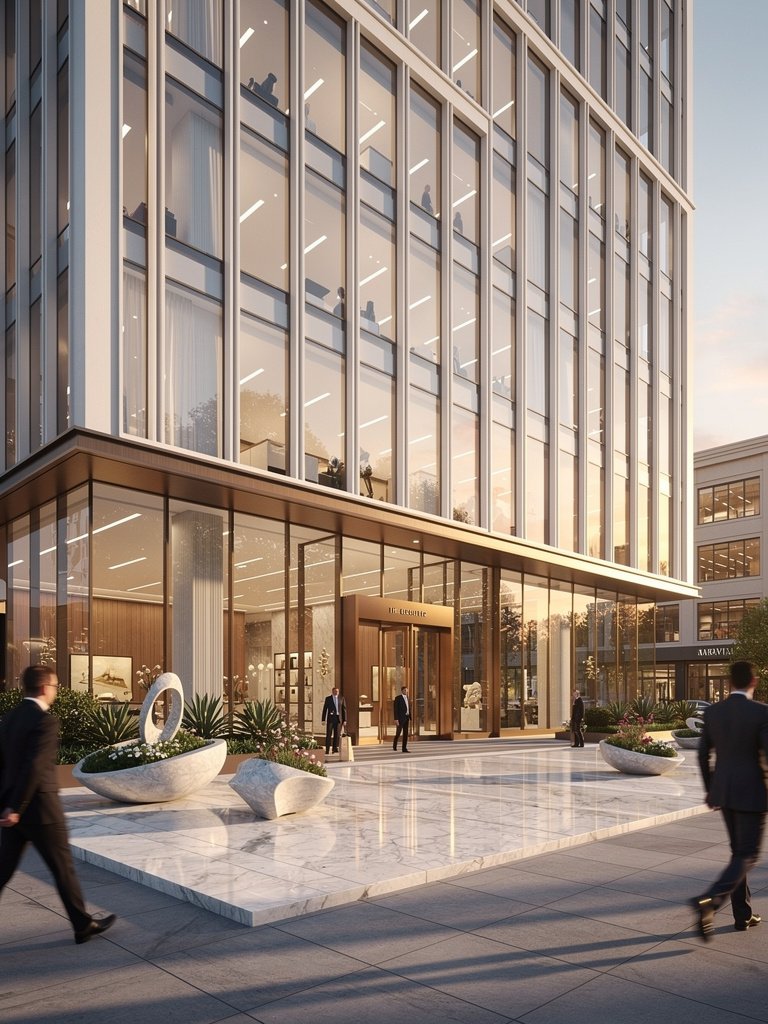
Populate environments with contextual activity. Pedestrians, vehicles, and seasonal vegetation communicate vibrancy and an established community. The density and demographics of these human elements should reflect your target buyer profile.
Optimizing Lighting Scenarios for Different Marketing Objectives
Different visualization purposes demand distinct lighting approaches. Daytime renderings emphasize architectural detail and material quality, ideal for technical audiences like planning committees or institutional investors.
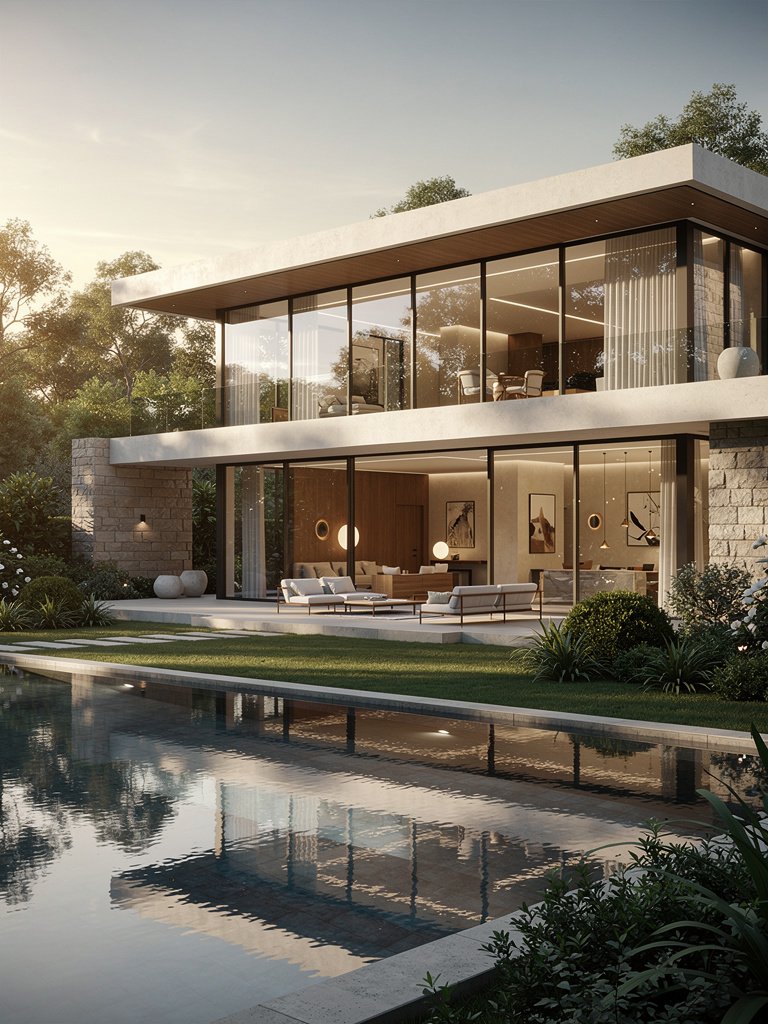
Golden hour lighting (shortly after sunrise or before sunset) produces emotionally resonant imagery perfect for consumer marketing. Warm, angular light creates dramatic shadows and highlights material textures in ways that generate aspirational responses.
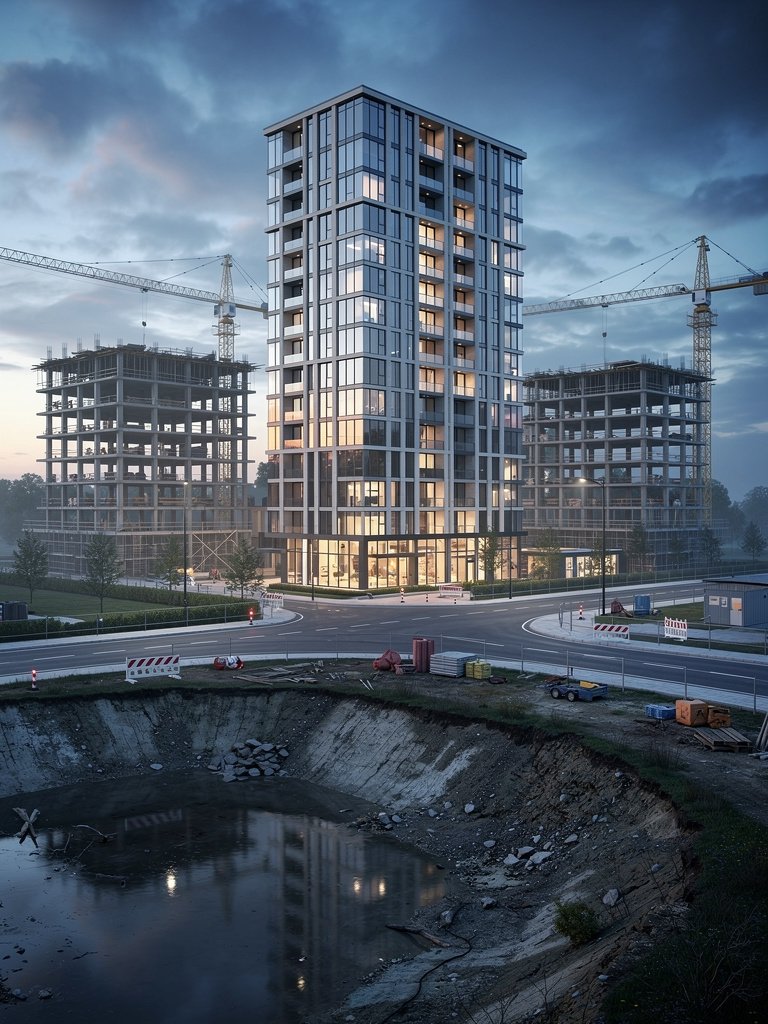
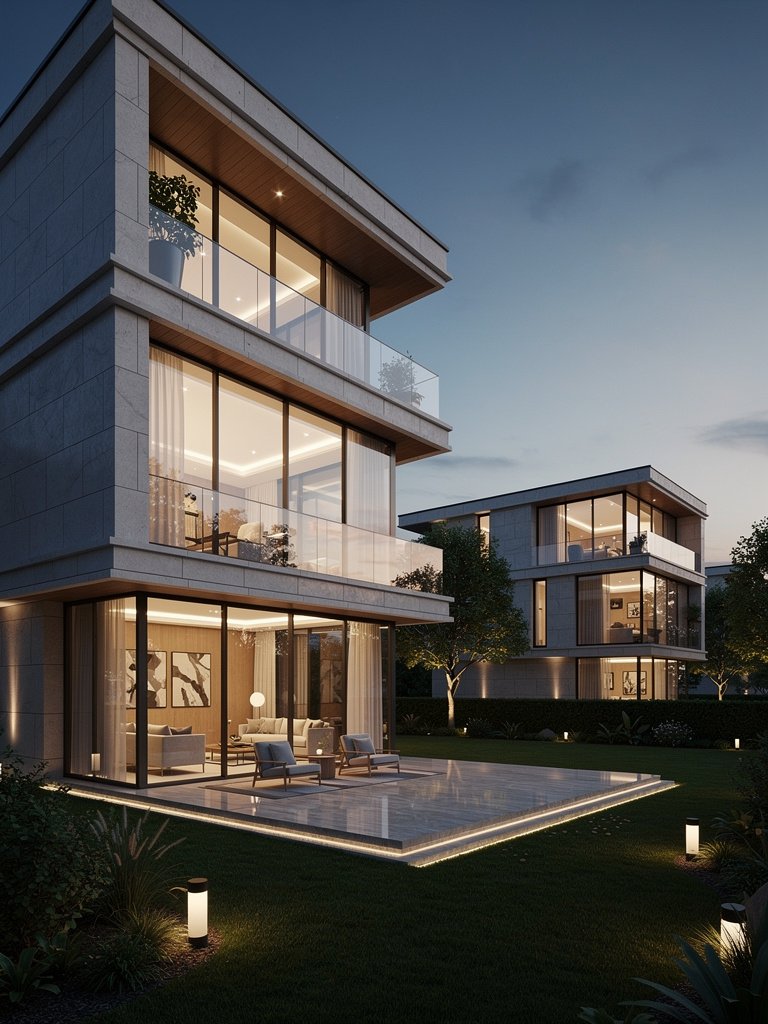
Twilight renderings showcase both architectural lighting design and the surrounding context. The balance between interior illumination and deep blue exterior skies creates sophisticated imagery that commands premium placement in marketing collateral.
Material Selection and Specification for Photorealistic 3D Rendering Accuracy
Generic materials undermine credibility. Specify exact product names and manufacturers for all visible finishes. Professional rendering teams can match proprietary materials from brands like Caesarstone, Cosentino, or specific tile manufacturers.
Request material samples photographed under controlled lighting when working with custom finishes. These reference images enable accurate digital recreation that maintains brand consistency across all marketing touchpoints.
Weathering and patina separate new visualizations from truly photorealistic output. Real materials display subtle imperfections: concrete shows formwork texture, metals exhibit micro-scratches, and glass carries barely perceptible surface variation.
Integrating Landscape Architecture into Comprehensive Visualizations
Exterior renderings fail without botanically accurate vegetation. Specify the exact plant species appropriate to your climate zone and maintenance regime. A Miami development should not feature plant life native to temperate climates.
Seasonal considerations affect both vegetation appearance and buyer psychology. Spring imagery communicates renewal and growth, while autumn palettes suggest warmth and established maturity.
Hardscape materials demand equal attention to building finishes. Paving stones, water features, and outdoor furniture should reflect the specified landscape architectural plans with identical material accuracy.
Creating Effective Interior Staging Through Virtual Furnishing
Furniture selection must align precisely with target demographic psychographics. A luxury retirement community requires different staging than urban millennial apartments. Every furnishing choice communicates lifestyle assumptions.
Scale accuracy prevents the common pitfall of undersized furniture, making spaces appear larger than reality. All furniture dimensions should match actual product specifications from real manufacturers.
Styling details create authentic lived environments. Books on shelves, kitchen accessories, and bathroom amenities transform empty spaces into aspirational lifestyles. These elements should reflect current design trends without appearing dated within 24-month sales cycles.
Delivering Multi-Format Assets for Integrated Marketing Campaigns
Static images represent just one deliverable format. Request multiple aspect ratios optimized for specific platforms: landscape orientations for websites, square formats for Instagram, and vertical compositions for stories and mobile experiences.
Animation and virtual tours extend engagement duration significantly. A 60-90 second walkthrough video allows prospects to experience spatial flow and architectural circulation patterns impossible to convey through static imagery.
Interactive 360-degree panoramas enable self-directed exploration. These assets perform exceptionally well in email marketing, where recipients spend 5x longer engaging with interactive content compared to standard imagery.
Quality Control Processes for Professional Photorealistic 3D Rendering
Establish formal revision rounds within project agreements. Industry standard includes two comprehensive revision cycles, allowing refinement without scope creep or budget overruns.
Create detailed feedback using visual markup tools. Annotated screenshots with specific coordinate references ensure rendering teams understand exactly which elements require adjustment.
Compare draft renderings against reference photography from similar completed projects. This benchmarking process identifies discrepancies in lighting quality, material appearance, or atmospheric conditions before final delivery.
Working with Specialists in High-End Architectural Visualization
High-end architectural visualization, CGI for real estate, requires partnerships with studios demonstrating verified expertise. Portfolio review should prioritize projects comparable to your development type and price point.
Request detailed production methodologies during vendor selection. Studios should articulate their workflows regarding modeling accuracy, rendering engines, post-production techniques, and quality assurance protocols.
Clarify intellectual property ownership explicitly. Ensure contracts specify that your organization retains full commercial rights to all delivered assets for an unlimited duration and application.
Budgeting Realistically for Premium Photorealistic 3D Rendering Services
Quality visualization represents a marketing investment, not an expense. Industry benchmarks suggest allocating 0.5-1.5% of total development costs to comprehensive visual marketing asset creation.
Pricing structures vary significantly. Per-image pricing typically ranges from $800-$3,500 for high-quality static renderings, while animation commands $5,000-$25,000 per finished minute, depending on complexity.
Volume pricing provides better value for comprehensive campaigns. Studios often reduce per-unit costs when commissioning complete marketing suites encompassing 15-25 images plus supplementary animation.
Measuring ROI from Professional Visualization Investment
Track specific performance metrics tied directly to visualization deployment. Monitor sales velocity changes, average transaction values, and prospect-to-buyer conversion rates before and after introducing new visual assets.
Digital engagement metrics quantify interest levels. Website time-on-page, social media engagement rates, and email click-through percentages provide quantifiable data about asset effectiveness.
Sales team feedback reveals practical impact. Representatives working with high-quality visualization report higher confidence during presentations and reduced objection handling, translating to shorter sales cycles.
Common Mistakes That Undermine Photorealistic 3D Rendering Effectiveness
Oversaturated color palettes create cartoon-like imagery that destroys credibility. Professional color grading matches actual photographic color science, avoiding the temptation toward unrealistic vibrancy.
Perfect cleanliness appears artificial. Real environments contain subtle evidence of human presence: slightly rumpled bedding, coffee cups on tables, or newspapers on benches. Strategic imperfection enhances authenticity.
Ignoring physical constraints produces impossible conditions. Shadows must align with sun position, reflections must obey optical laws, and perspectives must maintain geometric consistency throughout compositions.
Future-Proofing Your Visualization Strategy
Request native resolution files substantially exceeding current output requirements. 8K resolution assets remain viable as display technologies evolve, preventing premature obsolescence of expensive visualization investments.
Archive all project source files and asset libraries. Maintaining access to original scene files enables future updates, alternative views, or design modifications without complete reproduction costs.
Consider modular visualization approaches where base environments can accommodate design variations. This flexibility proves valuable during planning revisions or when developing phased projects requiring visual consistency.
Frequently Asked Questions
How long does professional photorealistic 3D rendering typically require for a mid-sized residential development?
A comprehensive visualization package for a development containing 50-150 units typically requires 3-5 weeks from initial briefing to final delivery. This timeline includes architectural data preparation, modeling, initial draft presentations, two revision rounds, and final rendering. Rush services are available but may compromise quality or increase costs by 30-50%. Planning visualization timelines to align with critical marketing milestones ensures optimal results without compromising campaign schedules.
What file formats should developers request to ensure maximum versatility across marketing channels?
Request high-resolution TIFF or PNG files for print applications, maintaining at least 300 DPI at intended output sizes. For digital applications, JPEG files optimized at various resolutions serve different platforms effectively. Additionally, obtain layered PSD files enabling in-house marketing teams to add text overlays or make minor adjustments without returning to the original rendering studio. For video content, request ProRes 422 or H.264 files at 1080p minimum, preferably 4K resolution for future-proofing.
How can architectural firms verify that rendering studios possess adequate technical capabilities before engagement?
Request detailed case studies demonstrating projects of similar complexity and typology. Ask specific technical questions about rendering engines used, typical processing hardware specifications, and quality control workflows. Professional studios readily discuss whether they utilize industry-standard platforms like V-Ray, Corona, or Unreal Engine. Request references from previous clients, specifically asking about revision responsiveness and deadline adherence. Finally, consider commissioning a small test project before committing to comprehensive campaign development.
What specific deliverables beyond standard images provide the highest marketing value for pre-construction sales?
Animated walkthrough videos consistently generate the highest engagement metrics, allowing prospects to experience spatial flow and design intent comprehensively. Interactive 360-degree panoramas enable self-directed exploration, particularly effective for international buyers unable to visit sites physically. Virtual reality experiences, while requiring more specialized viewing equipment, create memorable impressions that significantly influence high-value purchase decisions. Additionally, request detailed unit-specific renderings showing multiple finish options, enabling buyers to visualize customization choices that increase per-unit revenue through upgrades.
Transform Your Marketing Results with Professional Visualization
The competitive advantage provided by exceptional photorealistic 3D rendering extends far beyond aesthetic appeal. Developers and architects who invest strategically in visualization assets consistently achieve faster sales velocities, premium pricing, and reduced marketing costs per acquisition.
Your next development deserves visual marketing that matches your architectural ambition. Review our comprehensive portfolio showcasing completed projects across residential, commercial, and mixed-use developments. See firsthand how strategic visualization transforms architectural concepts into compelling sales narratives that drive measurable business results.
Contact our team to discuss your specific project requirements and receive a detailed proposal outlining deliverables, timelines, and investment parameters tailored to your marketing objectives.