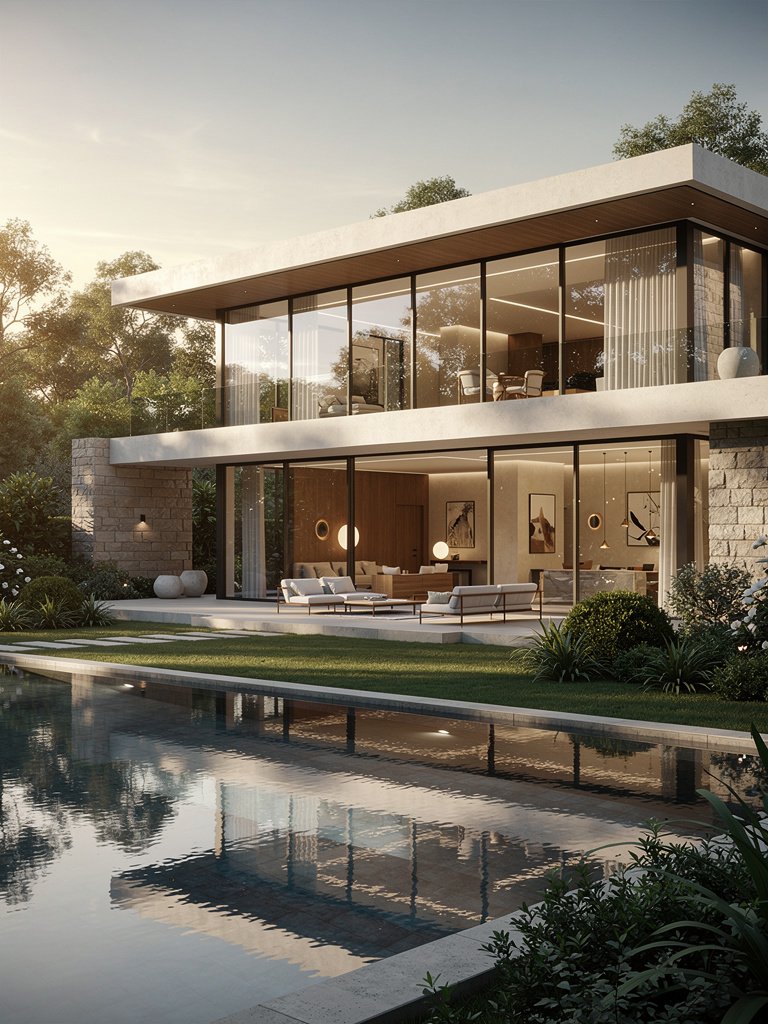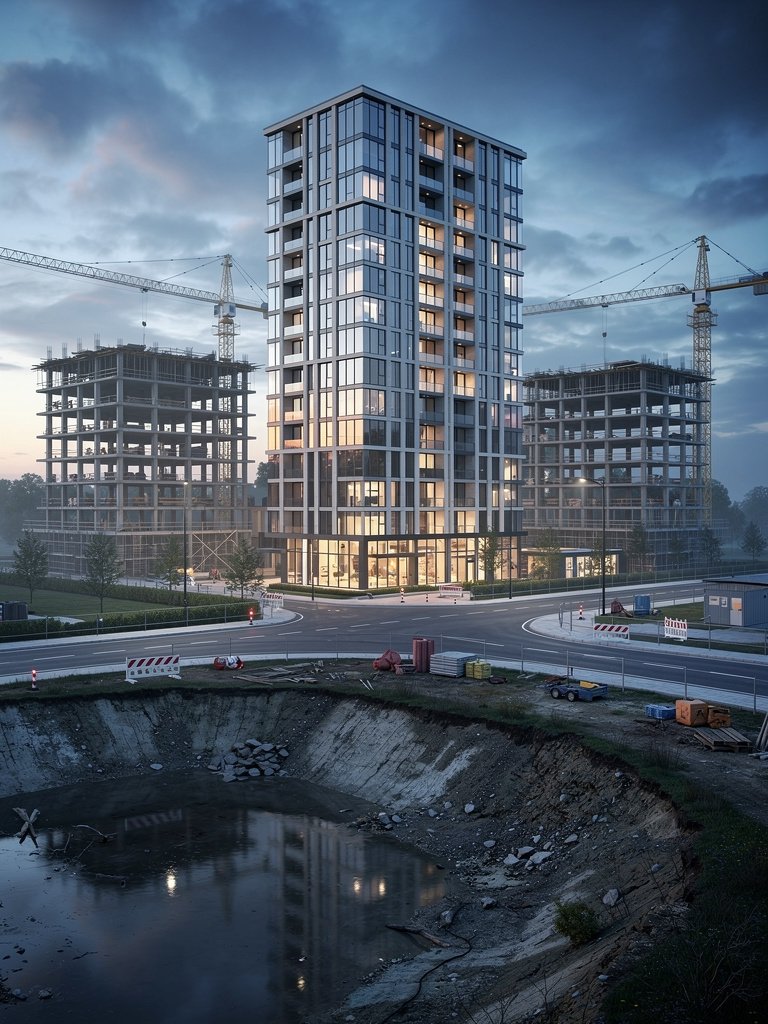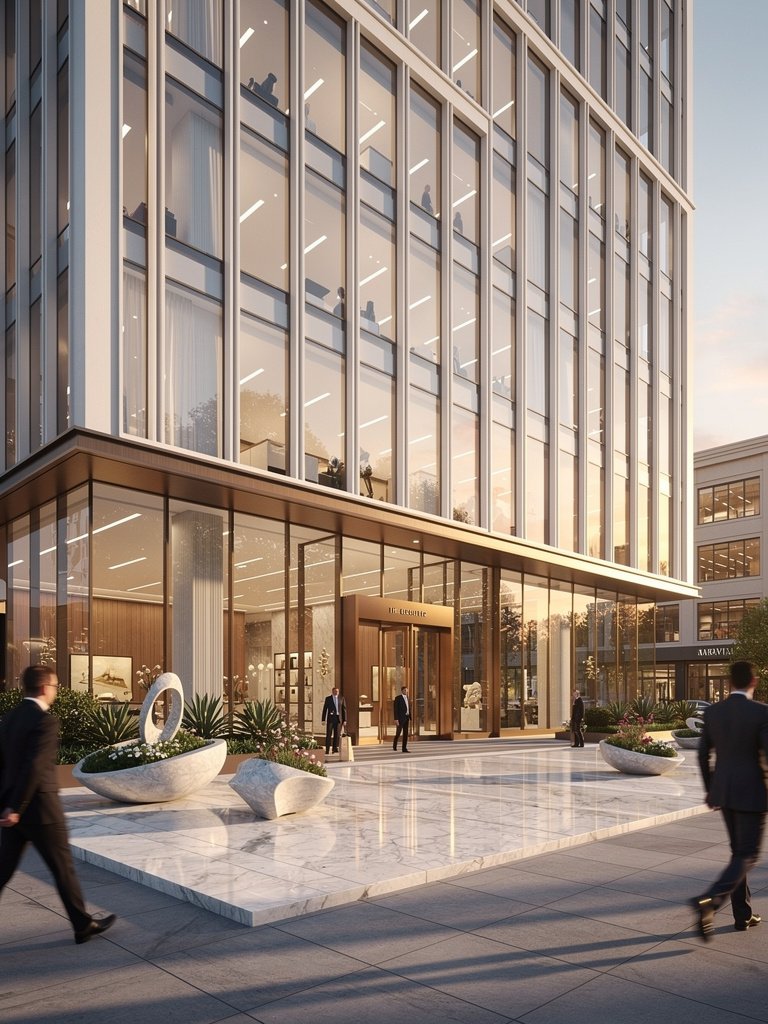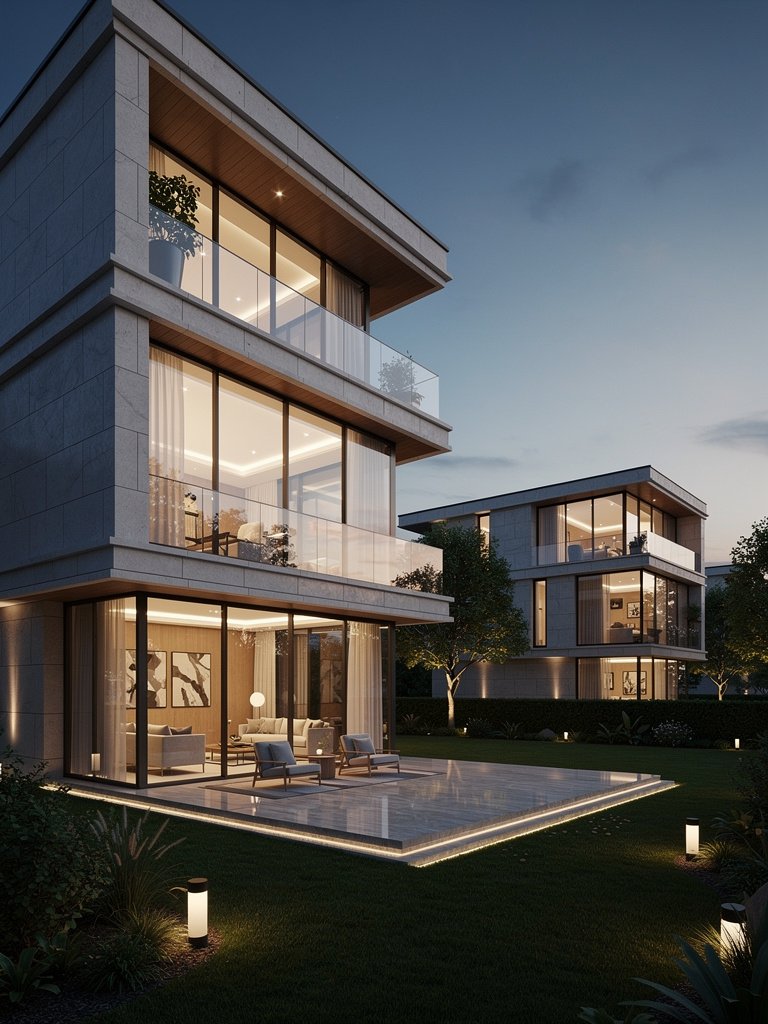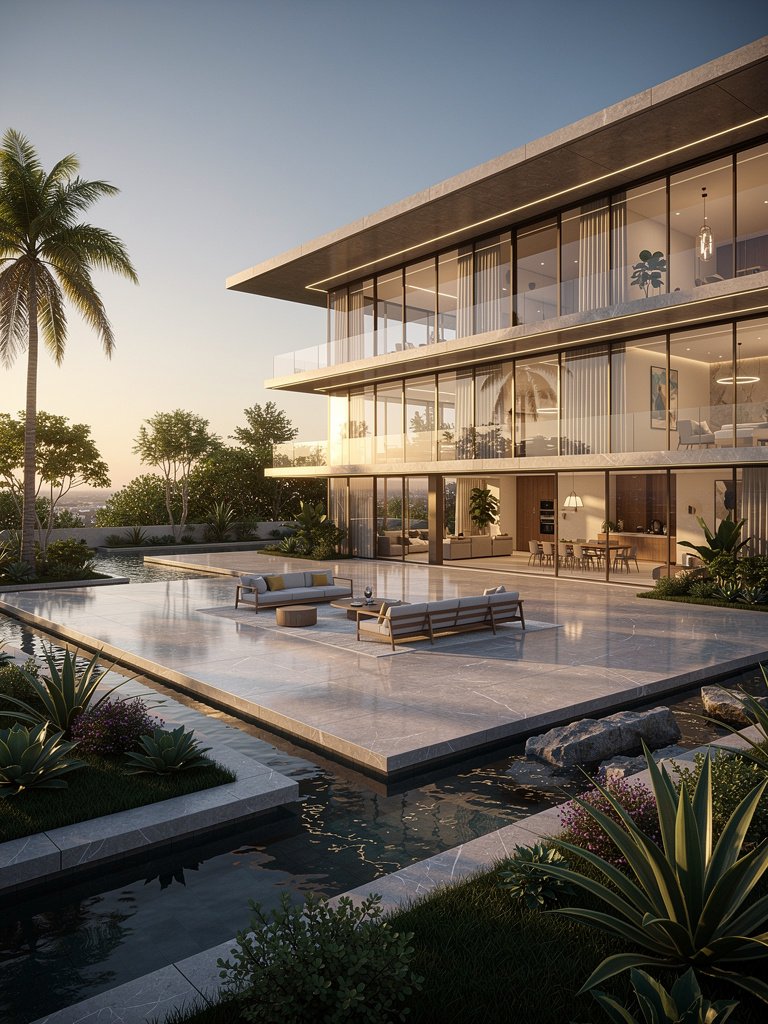
Understanding the ROI of 3D rendering transforms how real estate developers approach pre-construction marketing. Architectural visualization has evolved from a luxury add-on to a strategic necessity that directly impacts bottom-line performance.
The commercial real estate landscape demands faster decision-making, reduced risk, and measurable marketing performance. Traditional rendering approaches no longer satisfy the analytical rigor of institutional investors and developer stakeholders who scrutinize every dollar spent.
Table of Contents
1. Calculate Time-to-Sale Acceleration Through ROI of 3D Rendering
Time compression generates exponential value in real estate development. Projects utilizing high-quality CGI sell 40% faster than those relying on traditional marketing materials, according to industry benchmarking data.
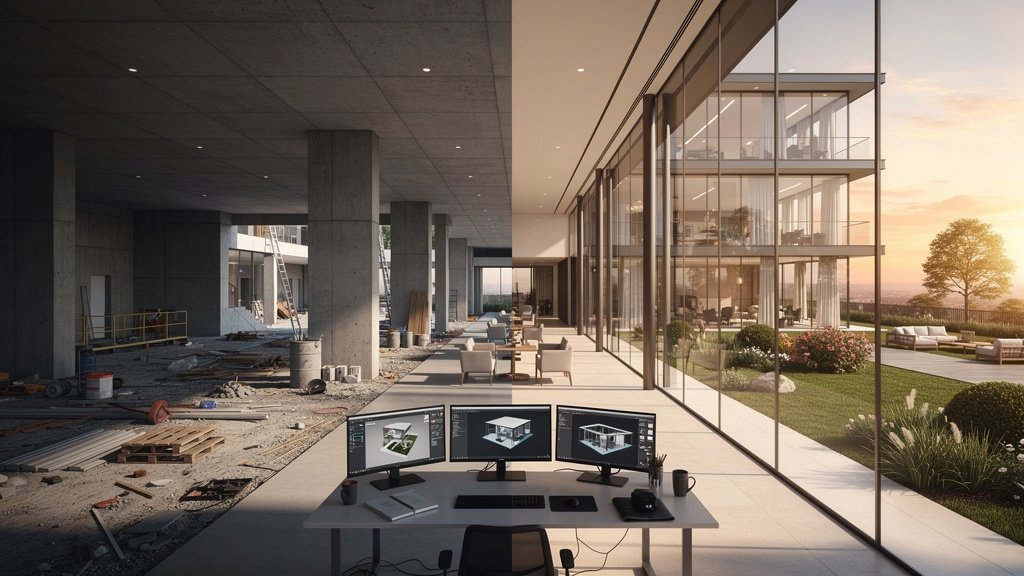
Every month saved in the sales cycle reduces holding costs, financing expenses, and opportunity costs. A $50 million multifamily project carrying 6% annual financing costs bleeds $250,000 monthly. Accelerating sales by just three months through superior visualization saves $750,000 in direct financing costs alone.
Beyond hard costs, velocity creates competitive advantages. First-to-market positioning in emerging neighborhoods, ability to capitalize on interest rate windows, and optimized construction scheduling all compound when sales acceleration occurs. The velocity multiplier effect means that projects closing pre-sales faster command premium pricing while competitors struggle with unsold inventory.
2. Reduce Physical Marketing Spend by 60% With Strategic Visualization
Traditional marketing budgets for luxury residential developments allocate 15-25% toward physical sales centers, printed materials, and staging. A typical $100 million condominium project might spend $2.5 million on a fully-appointed sales gallery.
Digital-first approaches using immersive 3D experiences cut this overhead dramatically. High-resolution renderings, virtual reality walkthroughs, and interactive configurators replace expensive physical buildouts. The savings redirect toward performance marketing channels with measurable attribution.
Projects launching with comprehensive CGI portfolios eliminate multiple cost centers simultaneously. No physical staging furniture, no climate-controlled trailer rentals, no printed brochure runs that become obsolete after design modifications. The cost of architectural visualization, value of CGI delivers 3-5 year utility compared to single-use physical assets.
3. Enable Presales Before Groundbreaking to Optimize ROI of 3D Rendering
Construction financing terms improve dramatically when developers demonstrate presale commitments. Lenders reduce interest rates by 50-100 basis points when projects achieve 30-40% presale thresholds before breaking ground.
Photorealistic visualization makes early-stage selling possible when only foundation work exists. Buyers visualize completed spaces with confidence, committing capital years before delivery. This de-risks the entire capital stack and improves developer equity returns.
A 200-unit residential tower achieving 35% presales saves approximately $400,000 annually in reduced financing costs on a $60 million construction loan. Over a three-year construction period, this single benefit delivers $1.2 million in value, often exceeding total visualization investment by 300-400%.
4. Eliminate Costly Design Changes Through Early Stakeholder Alignment
Design modifications during construction cost 10-50 times more than adjustments during planning phases. A bathroom layout change costing $2,000 to render differently becomes a $30,000 nightmare when plumbing is already roughed-in.
Comprehensive 3D rendering facilitates stakeholder consensus before procurement begins. Investors, design committees, city planners, and end-users all review identical visual representations, reducing misalignment and expensive mid-stream corrections.
Major mixed-use developments report 40-60% fewer change orders when thorough visualization precedes construction documentation. On a $200 million project where change orders typically consume 3-5% of budget, this reduction saves $2.4-6 million directly attributable to better upfront communication.
5. Increase Price Per Square Foot Through Premium Perception and ROI of 3D Rendering
Perception drives pricing power in real estate. Properties marketed with exceptional visual storytelling command 8-12% premiums over comparable projects with pedestrian marketing materials.
Professional CGI creates aspirational context that floorplans and site photos cannot achieve. Golden hour lighting, lifestyle vignettes, neighborhood integration, and seasonal variations all contribute to emotional engagement that justifies premium pricing.
A 150-unit project averaging $500 per square foot across 120,000 total square feet generates $60 million in revenue. A 10% pricing premium from superior visualization adds $6 million to top-line revenue. Even after marketing costs, this premium dwarfs visualization investment by orders of magnitude.
6. Compress Approval Timelines With Planning Commissions
Municipal approval processes create costly delays and uncertainty. Planning commissions staffed by non-technical reviewers struggle with architectural drawings but respond immediately to photorealistic renderings showing contextual integration.
Projects presenting compelling CGI packages receive approvals 25-40% faster than those relying on technical documents alone. Neighborhood impact visualization, pedestrian experience simulations, and shadow studies communicated visually reduce objections and expedite hearings.
Time savings during entitlement phases protect option contracts, reduce soft costs, and preserve development windows. A six-month approval acceleration on a project with $150,000 monthly soft costs saves $900,000 while maintaining schedule integrity.
7. Activate Digital Marketing Channels to Maximize ROI of 3D Rendering
High-quality 3D assets fuel performance marketing across all digital channels. Social media advertising, programmatic display, email nurturing, and website engagement all depend on scroll-stopping visual content.
Generic stock photography generates 0.5-0.8% click-through rates while project-specific CGI achieves 2.5-4% engagement. This 3-5x performance improvement reduces customer acquisition costs proportionally, making paid marketing profitable rather than speculative.
The repurposing value extends campaign longevity. A single hero rendering generates social posts, email headers, retargeting ads, sales presentations, investor decks, and website heroes. This asset efficiency means visualization investment continues generating returns years after initial deployment.
8. Support Multiple Price Points and Unit Configurations Efficiently
Residential developers offer various unit types, finish packages, and customization options. Producing physical mockups for every combination becomes prohibitively expensive.
Digital rendering creates unlimited variations at marginal cost. Buyers explore finish options, furniture layouts, and upgrade packages interactively. This configurator approach increases upgrade attachment rates while reducing sales cycle friction.
Projects implementing interactive visualization report 35-50% higher upgrade revenue per unit. On a 100-unit project where average upgrades run $25,000, a 40% increase generates $1 million in additional profit at minimal incremental cost.
9. Extend Asset Life Through Repositioning and Refinancing Presentations
The ROI of 3D rendering extends beyond initial sales. Property repositioning, refinancing packages, and asset sales all benefit from updated visualization that reflects current conditions or proposed improvements.
Existing properties seeking value-add financing present renovation plans using before-and-after CGI. Lenders and equity partners evaluate proposals with clarity impossible from spreadsheets alone. This improved communication reduces financing costs and increases approval rates.
A commercial property owner seeking $15 million in renovation financing presents a $30,000 visualization package showing the transformation. The improved loan terms reduce interest by 75 basis points annually, saving $112,500 yearly and justifying the visualization investment within four months.
10. Build Institutional Knowledge and Accelerate Future Projects
Visualization assets create libraries that accelerate subsequent developments. Material libraries, lighting setups, landscaping elements, and composition techniques all transfer across projects.
Development firms building multiple projects annually achieve economies of scale. The fifth project using established 3D workflows costs 40-50% less than the first while delivering superior quality. This learning curve effect compounds ROI across portfolio-level analysis.
Organizations treating visualization as strategic infrastructure rather than project-specific expense recognize 200-300% efficiency gains within 18-24 months. The knowledge capital embedded in refined processes, vendor relationships, and technical capabilities becomes a durable competitive advantage.
Measuring the True ROI of 3D Rendering Across Your Portfolio
Quantifying visualization return requires tracking multiple value streams simultaneously. Direct cost savings, revenue enhancements, risk reduction, and time compression all contribute to total economic impact.
Sophisticated developers implement attribution frameworks connecting visualization investment to specific outcomes. Presale velocity, pricing premiums, change order reduction, and financing term improvements all receive discrete measurement.
Industry leaders report 5:1 to 12:1 total returns on comprehensive visualization programs when all benefits receive proper attribution. This performance rivals or exceeds most marketing investments while delivering ancillary benefits in risk management and stakeholder communication.
Implementation Framework for Immediate Results
Starting a high-performance visualization program requires strategic planning rather than ad-hoc vendor selection. Define success metrics, establish quality standards, and create feedback loops that drive continuous improvement.
Partner selection matters enormously. Evaluate portfolios for stylistic alignment, technical capabilities, revision processes, and industry specialization. Real estate-focused visualization firms understand sales psychology, regulatory requirements, and market positioning in ways generalist 3D studios cannot match.
Budget 1.5-3% of total project marketing spend toward comprehensive visualization. This allocation supports multiple rendering types, iterative refinement, and multimedia derivatives that fuel all marketing channels throughout the sales cycle.
Transform Your Development Marketing Performance Today
The evidence is conclusive: strategic visualization investment delivers measurable, substantial returns across every development phase. From entitlement acceleration through final unit absorption, CGI creates tangible economic value that traditional marketing approaches cannot match.
Real estate development operates in an increasingly competitive, capital-intensive environment where marginal advantages compound into significant competitive moats. Visualization excellence separates market leaders from followers, driving faster sales, premium pricing, and improved stakeholder confidence.
Ready to maximize your next project’s performance? Explore our portfolio of completed visualization projects and discover how data-driven CGI strategy transforms development economics. Visit our Portfolio to see the quality standards that deliver exceptional returns for developers nationwide.